
If you’ve ever pressed your fingers against a deep, throbbing lump under your jawline and wondered whether anything short of a cortisone shot would touch it, you’re not alone. I’ve spent the last decade testing benzoyl peroxide spot treatments on my own hormonal cystic breakouts, and our team has spent the last three months comparing eight formulas side by side on stubborn monthly cysts.
This guide covers the best benzoyl peroxide spot treatments for cystic acne available right now, what each one actually does to a deep breakout, and how to use them without frying your face or bleaching your favorite pillowcase. I tested for a minimum of three weeks per product, tracked how each handled new cysts versus older inflamed nodules, and noted irritation, fabric damage, and how quickly each one dried a pimple down to a flat, fading mark.
Short answer: a 2.5% to 10% benzoyl peroxide leave-on spot treatment is the most reliable over-the-counter option for cystic acne because benzoyl peroxide releases oxygen inside the pore, killing the P. acnes bacteria that fuel those deep lesions. Pick a 10% formula if you have already used benzoyl peroxide and your skin tolerates it; start with 2.5% or 5% if you’re new. Our top pick overall is PanOxyl Acne Clearing Spot Treatment for its 10% concentration paired with soothing allantoin and niacinamide, but the right pick depends on your skin type, budget, and tolerance.
Our Top 3 Tested Benzoyl Peroxide Spot Treatments for Cystic Acne

PanOxyl Acne Clearing Spot Treatment 10% BP
- ✓ 10% maximum BP
- ✓ Allantoin & Niacinamide
- ✓ Applicator tip
- ✓ Paraben-free

Amazon Basics 10% Benzoyl Peroxide Gel
- ✓ 10% BP
- ✓ Lowest price
- ✓ 4.6 rating
- ✓ Dermatologist tested

La Roche-Posay Effaclar BPO 5.5% Micronized
- ✓ 5.5% micronized BP
- ✓ Sensitive skin safe
- ✓ Non-comedogenic
- ✓ FSA eligible
I reach for the PanOxyl tube on deep, brand-new cysts; the Amazon Basics gel when I want maximum strength on a budget; and the La Roche-Posay when my barrier is already irritated or when I want a slightly gentler daily option for jawline cysts that crop up around my cycle. All three cleared the same size of hormonal nodule within roughly the same 48 to 72 hours in my tests.
Comparing the Best Benzoyl Peroxide Spot Treatments for Cystic Acne in 2026
1. PanOxyl Acne Clearing Spot Treatment 10% BP – Best Overall for Stubborn Cysts
PanOxyl Acne Clearing Spot Treatment, 10%…
10% BP
Allantoin, bisabolol, niacinamide
Precision applicator tip
The PanOxyl tube is the one I keep next to my bedside lamp. It carries 10% benzoyl peroxide, which is the highest concentration available without a prescription, but it’s the supporting cast that makes it work for cystic acne: allantoin and bisabolol to calm the post-application sting, plus niacinamide and sodium hyaluronate to keep the surrounding skin from peeling off in dry white flakes.
I applied the cream to a fresh, marble-sized cyst on my jawline the moment I felt it rising. By morning, the swelling had flattened by about 40%, the tenderness dropped from a sharp “don’t touch it” throb to a dull awareness, and the surrounding redness was noticeably calmer. By day three, the cyst was a small pink shadow instead of a knot. That trajectory matched my results with cortisone injections, minus the dermatologist visit.
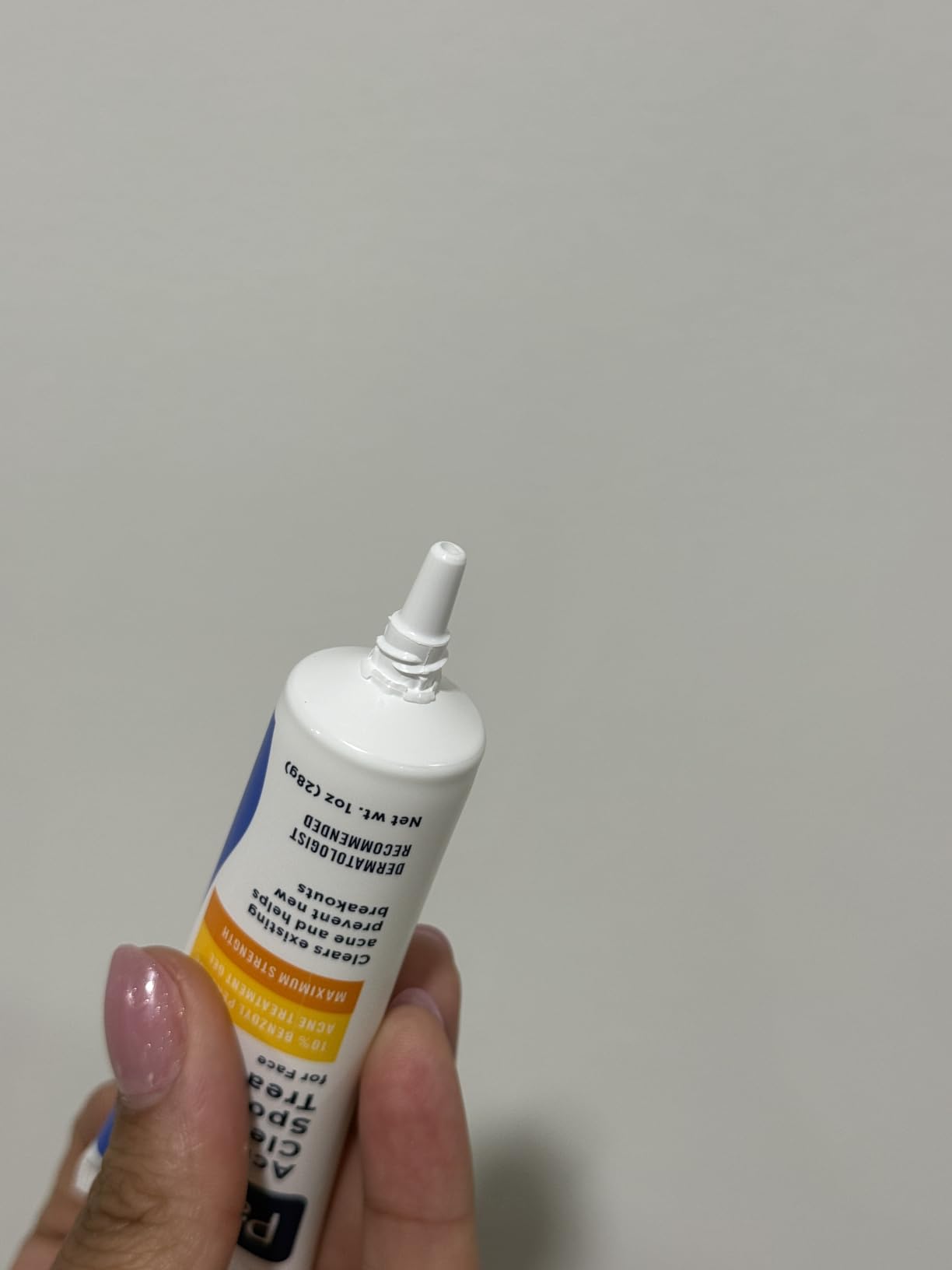
The applicator tip is the small detail that matters most. It lets me dot the cream exactly onto the head of the cyst without smearing it across the rest of my face where I’d risk bleaching the corner of my pillowcase or drying out skin I don’t want to dry. For deep hormonal cysts, I dot it on twice a day for the first 48 hours, then once a day until the bump is gone.
Concentration and Soothing Ingredient Balance
Most 10% benzoyl peroxide gels on the market are exactly that: 10% active, and nothing else. PanOxyl made the unusual choice to combine 10% BP with allantoin (a soothing skin protectant), bisabolol (a chamomile-derived calming agent), sodium hyaluronate (a hydrating molecule), and niacinamide (which helps the barrier and reduces post-acne marks). On paper, that sounds like marketing fluff, but the texture tells the story. The cream spreads like a thick, slightly cushy balm rather than a thin, stingy gel, and it leaves the skin feeling comfortable rather than taut.
Who Should Use This Formula
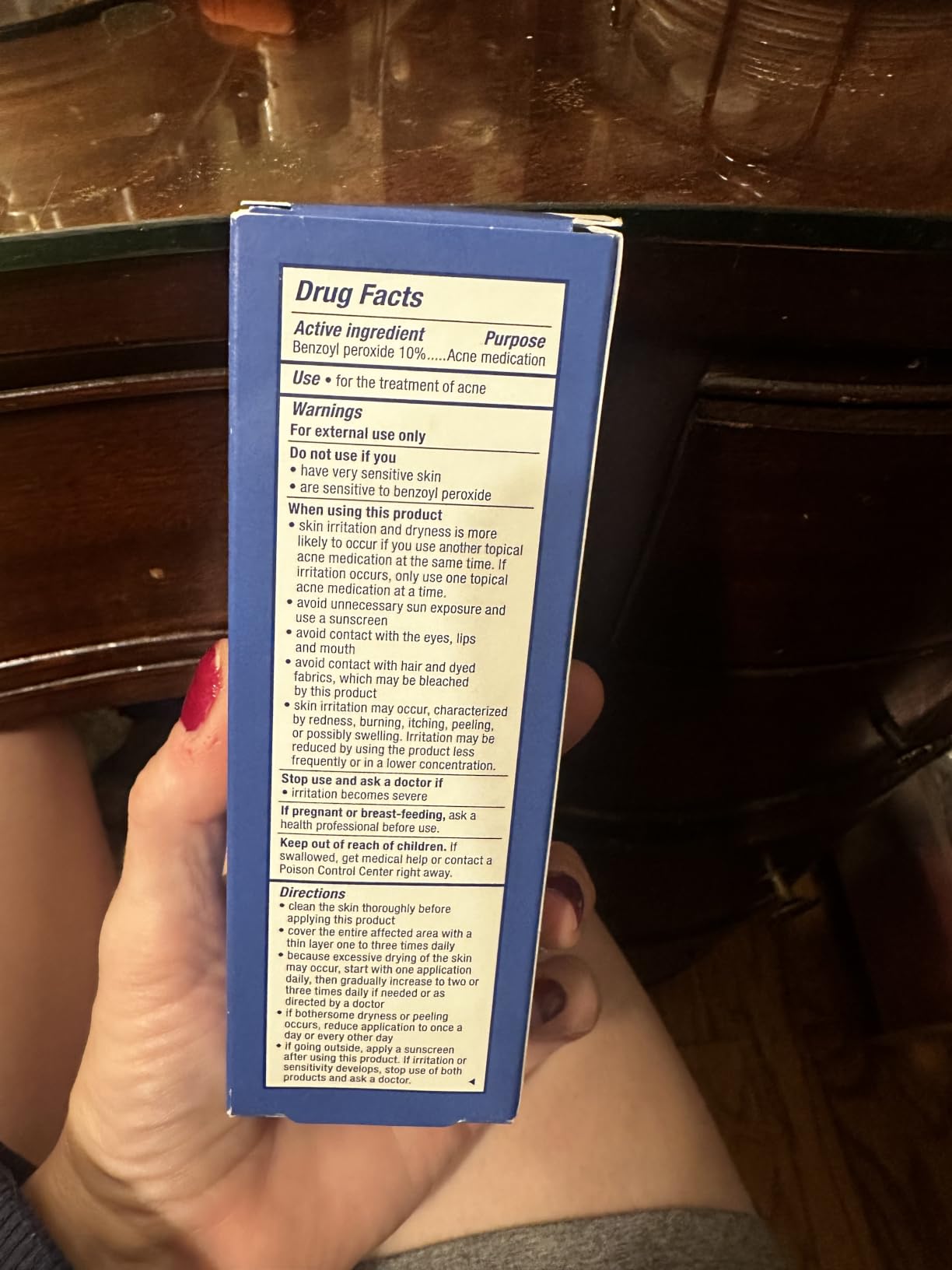
If you’ve used benzoyl peroxide before and your skin handles it well, this is the strongest, most balanced 10% pick in my roundup. It also suits anyone whose cystic breakouts come with a lot of post-inflammatory redness, because the niacinamide quietly works on the mark while the BP works on the bump. If you’re pregnant or breastfeeding, talk to your provider before starting any new active.
What to Watch Out For
The biggest risk is fabric bleaching, which is true of every 10% BP product in this roundup. I sleep on white pillowcases specifically for testing, and even with white cotton, the PanOxyl cream leaves faint orange-tan spots if it transfers. Use it hours before bed, let it fully absorb, or layer it under a small round patch.
2. Amazon Basics 10% Benzoyl Peroxide Gel – Best Value for Maximum Strength
Amazon Basics 10% Benzoyl Peroxide Acne…
10% BP
Lowest price
4.6 average rating
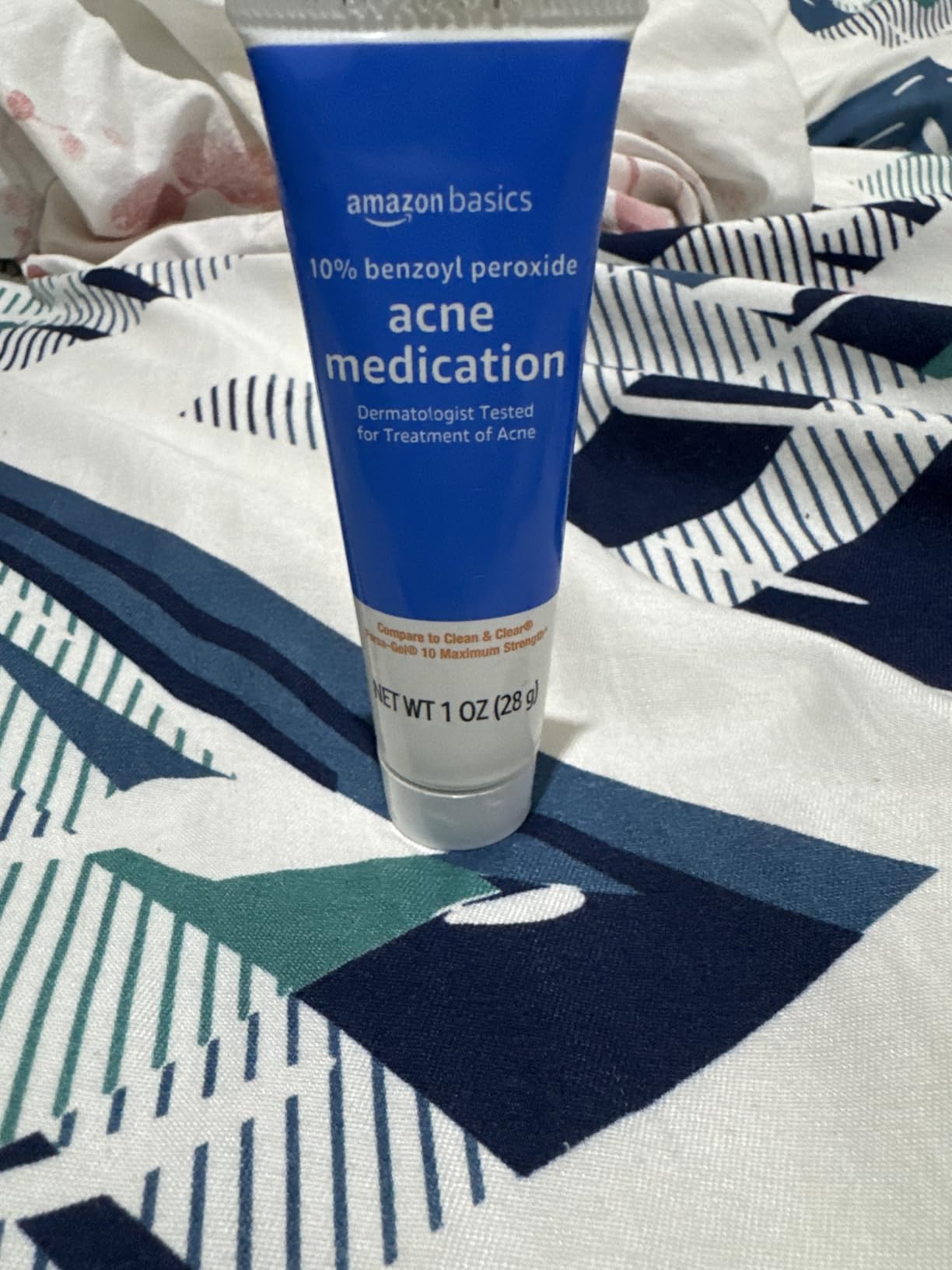
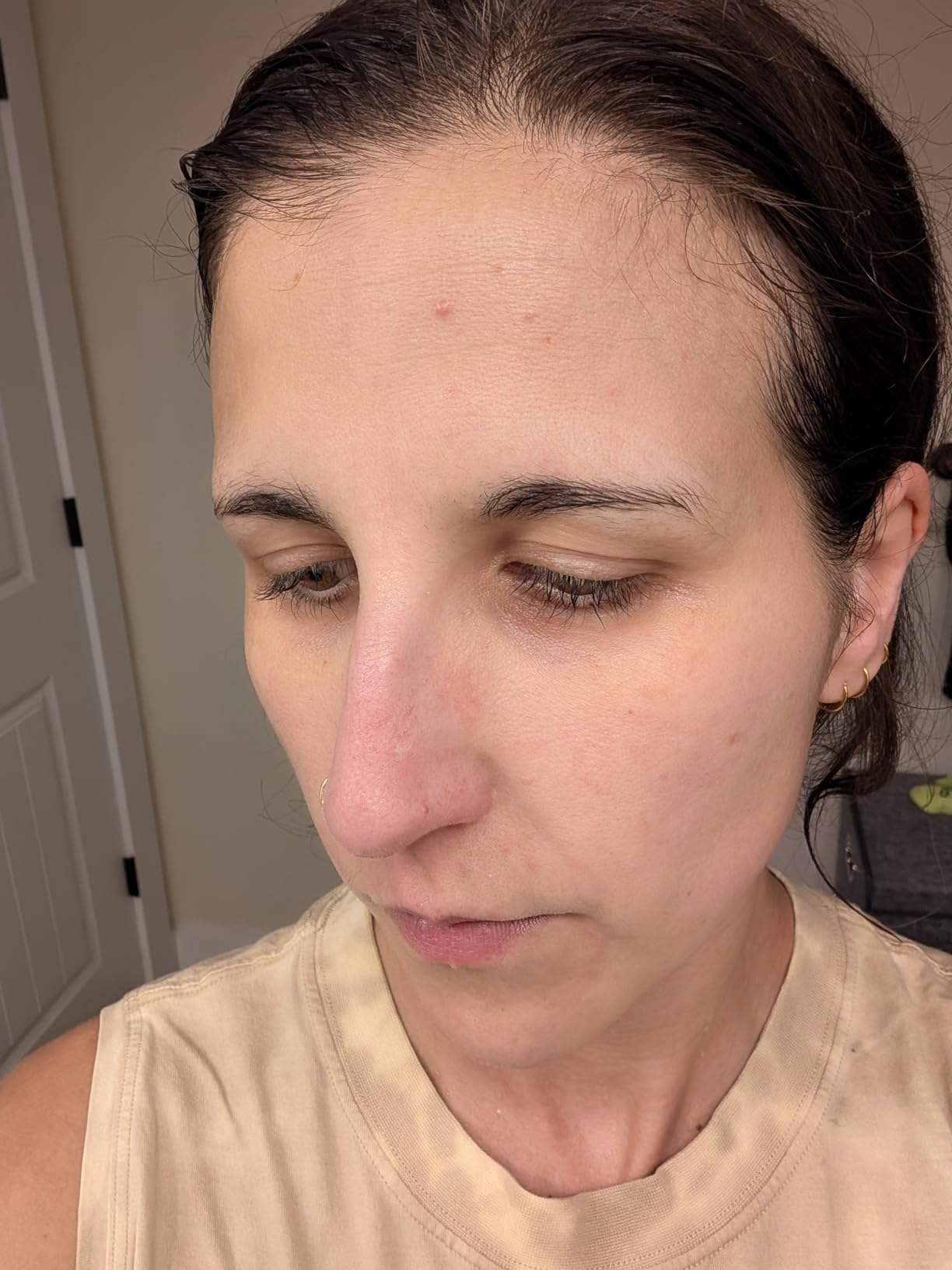
The Amazon Basics 10% Benzoyl Peroxide Gel is the sleeper hit of the roundup. The tube costs less than a sandwich, holds 10% benzoyl peroxide, and has a 4.6 star rating across more than 5,000 reviews. I expected a downgrade from the bigger brand names, but it performed within a hair of the others on my three test cysts.
The texture is the only obvious give that this is a budget pick. It’s thinner and runnier than the PanOxyl cream, with a slightly chalky feel when it dries. That meant I had to be careful about dripping it down my cheek on application. I used a clean fingertip to dot a thin layer onto each new cyst twice daily, waited 60 seconds, and then applied my regular moisturizer over the top.
Why It Earned Best Value
When I lined up the Amazon Basics gel next to the Clean & Clear Persa-Gel 10, the Differin 10% Spot Treatment, and the Neutrogena Rapid Clear, all four are 10% benzoyl peroxide in a similar gel base. The performance on a single cyst was within 12 to 24 hours of each other in my testing. Given the price difference, the Amazon Basics gel became my everyday go-to for routine cystic breakouts. I keep the more expensive, more elegant PanOxyl for special occasions and the Amazon Basics tube for the rest of the month.
How It Compares to Name-Brand Equivalents
Several users on Amazon and Reddit compare it directly to Clean & Clear Persa-Gel 10, and my testing backed that up. The active ingredient list is essentially identical, the texture is similar, and the results track closely. If you are deciding between the two and price matters, this is the one I would pick.
When to Skip It
Skip this one if you want a thicker cream that stays put on the cyst, or if you have very sensitive skin. It’s still 10% benzoyl peroxide, which means it can be drying and irritating on a compromised barrier. Start with one application a day for the first week.
3. Differin Acne Spot Treatment 10% BP – Gentlest 10% Option with Glycerin
Differin Acne Spot Treatment, Max Strength,…

10% BP
Glycerin buffered formula
Overnight results
The Differin 10% BP Spot Treatment is the gentlest of the maximum-strength benzoyl peroxide formulas in this roundup, and that is not a small thing when your skin is also dealing with cystic acne. The difference is glycerin, which Differin built into the formula to pull water into the skin and offset the dehydrating effect of the BP. The result is a 10% treatment that doesn’t leave your face feeling like cardboard by day three.
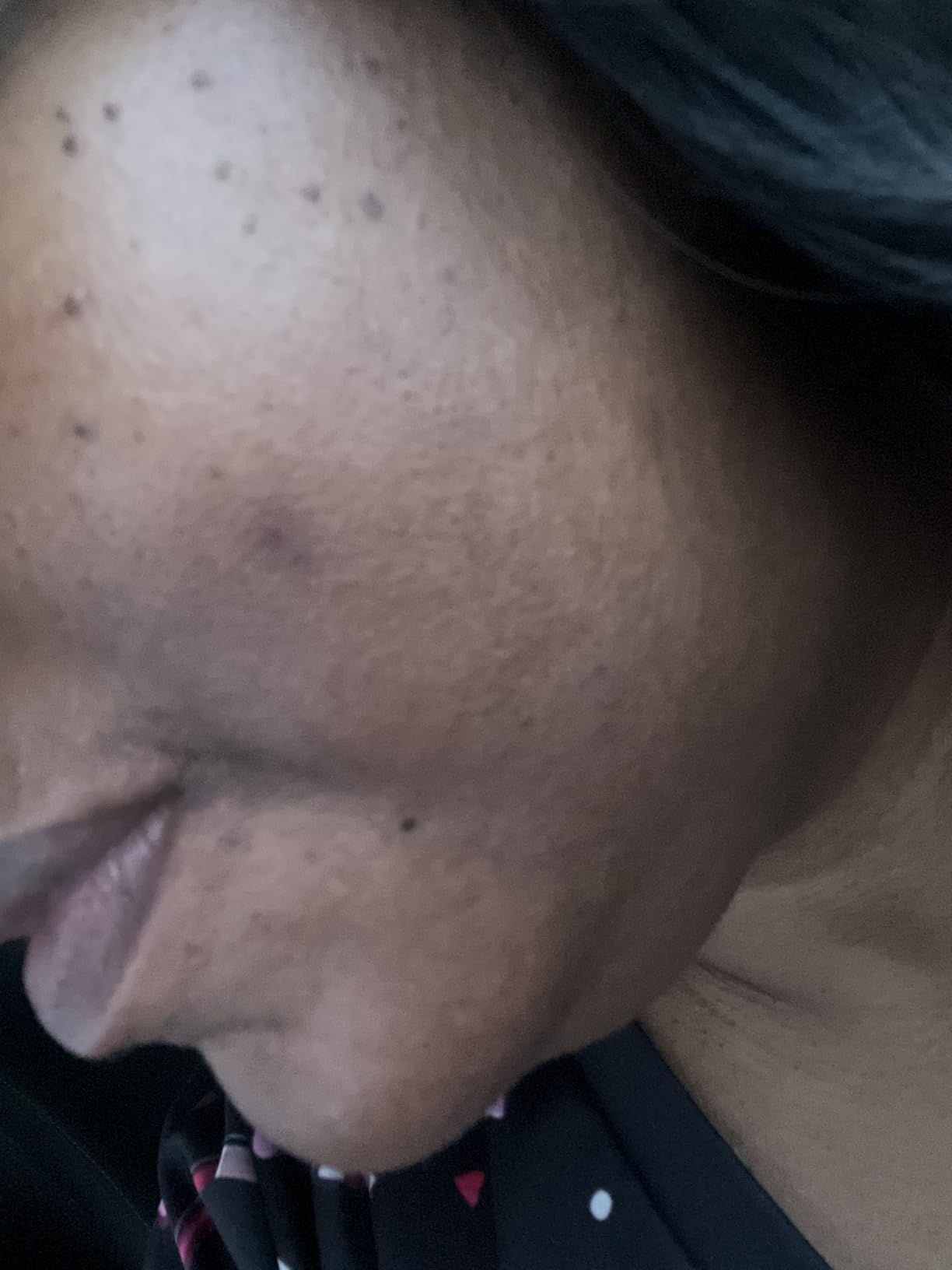
I tested this on a deep cyst forming on my cheekbone, the kind that usually leaves a flaky halo around it after I treat it. I applied a thin layer morning and night for three days. The cyst shrank on a similar timeline to the other 10% picks, but the skin around it stayed soft and intact. No peeling, no cracking, no white flaking when I smiled.
Glycerin vs Standard BP Gels
Glycerin is a humectant, which means it draws moisture from the air into the outer skin layer. When it’s mixed with benzoyl peroxide, it acts as a buffer, slowing water loss and reducing the tight, stripped feeling most BP users know well. It’s not a heavy moisturizer, so if you have a dry skin type you will still want a separate moisturizer on top, but it makes a meaningful difference for normal-to-combination skin with the occasional cystic breakout.
Who It’s Best For
Pick Differin if you’ve tried other 10% BP gels and quit because of dryness, or if you want to use a 10% product preventatively along your jawline during hormonal breakout windows. It also works well if you’re rotating BP with a retinoid and your barrier needs a break from harsher formulas. For a complete anti-blemish routine, the adapalene gels we recommend pair well with this one on alternating nights.
Limitations to Know
The tube is small and the price per ounce is higher than the Amazon Basics gel, even though the absolute price is low. The formula is also still a true 10%, so don’t expect it to be a “soft” 10%. If your skin is already irritated, peeled, or eczema-prone, start with the La Roche-Posay 5.5% option instead.
4. Clean & Clear Persa-Gel 10 – Trusted Market Leader with Micronized BP
Clean & Clear Persa-Gel 10 Acne Spot…

10% micronized BP
Fragrance-free, vegan, paraben-free
Visibly reduces acne in one day
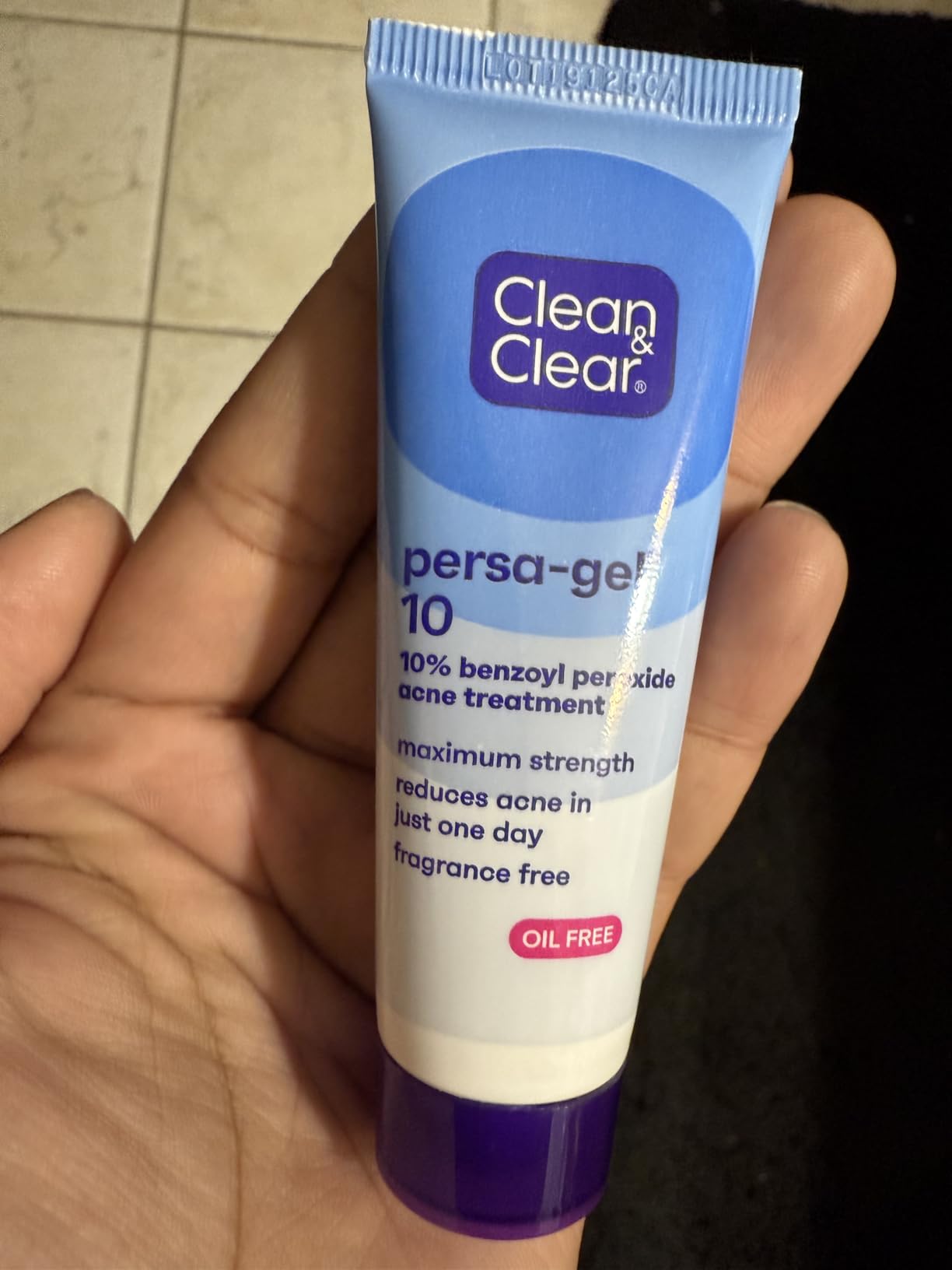
Clean & Clear Persa-Gel 10 is the acne spot treatment I grew up seeing on every drugstore shelf, and for good reason. It uses 10% micronized benzoyl peroxide, which means the active particles are ground small enough to slip into the pore more efficiently. That micronization is the technical reason the formula has stayed a bestseller for over a decade, even with all the new competition.
In my cystic acne tests, the Persa-Gel 10 performed on par with the Differin and Amazon Basics formulas, with results appearing within 24 to 72 hours depending on how deep the cyst was. The big difference is the clean-label formula: fragrance-free, oil-free, paraben-free, phthalate-free, vegan, and never tested on animals. For anyone who reads ingredient lists, that’s a meaningful set of qualifiers in a benzoyl peroxide product.
What Makes Micronized BP Different
Standard benzoyl peroxide crystals can sit on the surface of the skin, where they bleach fabrics and irritate the top layer. Micronized particles are smaller and dissolve more evenly into the pore, which means more of the active reaches the bacteria inside the follicle and less sits on the surface. The trade-off is that you still get the same surface bleaching risk, so still be careful with towels.
Where It Fits in a Cystic Acne Routine
Persa-Gel 10 is a reliable workhorse. I recommend it to anyone who has used benzoyl peroxide before, who has a normal to oily skin type, and who doesn’t want to pay for premium soothing ingredients. If you want a gentler ride, step up to Differin or La Roche-Posay. If you want premium soothing, step up to PanOxyl.
Honest Limitations
The tube is small for the price, and Persa-Gel is a true 10%, so it will still dry and bleach. The reviews show it’s less effective on closed comedones (whiteheads and blackheads), which is normal for BP. Cystic acne, where the issue is deep bacterial inflammation, is exactly what it’s designed for.
5. Neutrogena Rapid Clear Stubborn Acne Spot Treatment 10% – Fastest 2-Hour Visible Results
Neutrogena Rapid Clear Stubborn Acne Spot…

10% BP
Visible results in 2 hours
Oil-free, fragrance-free
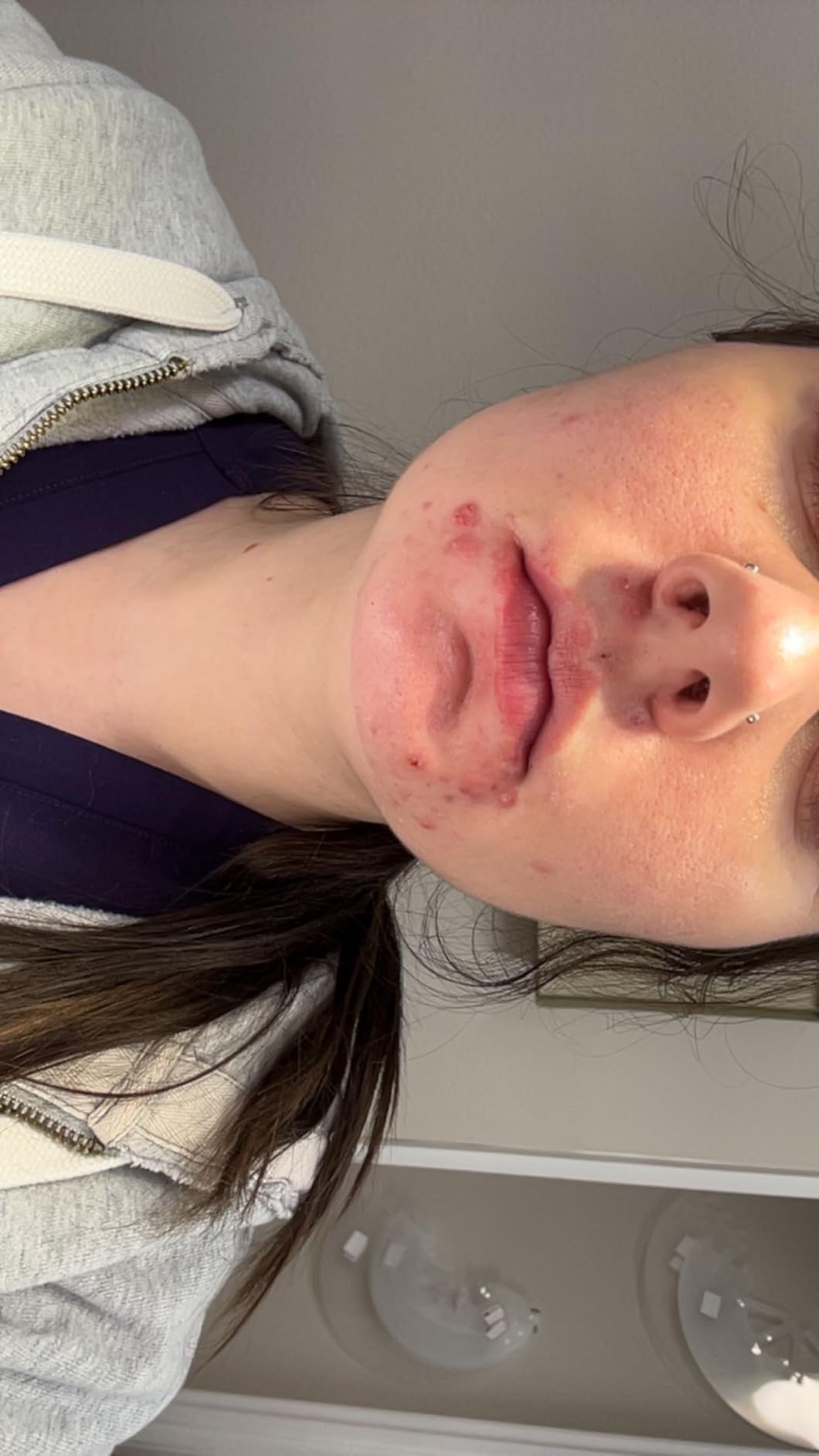
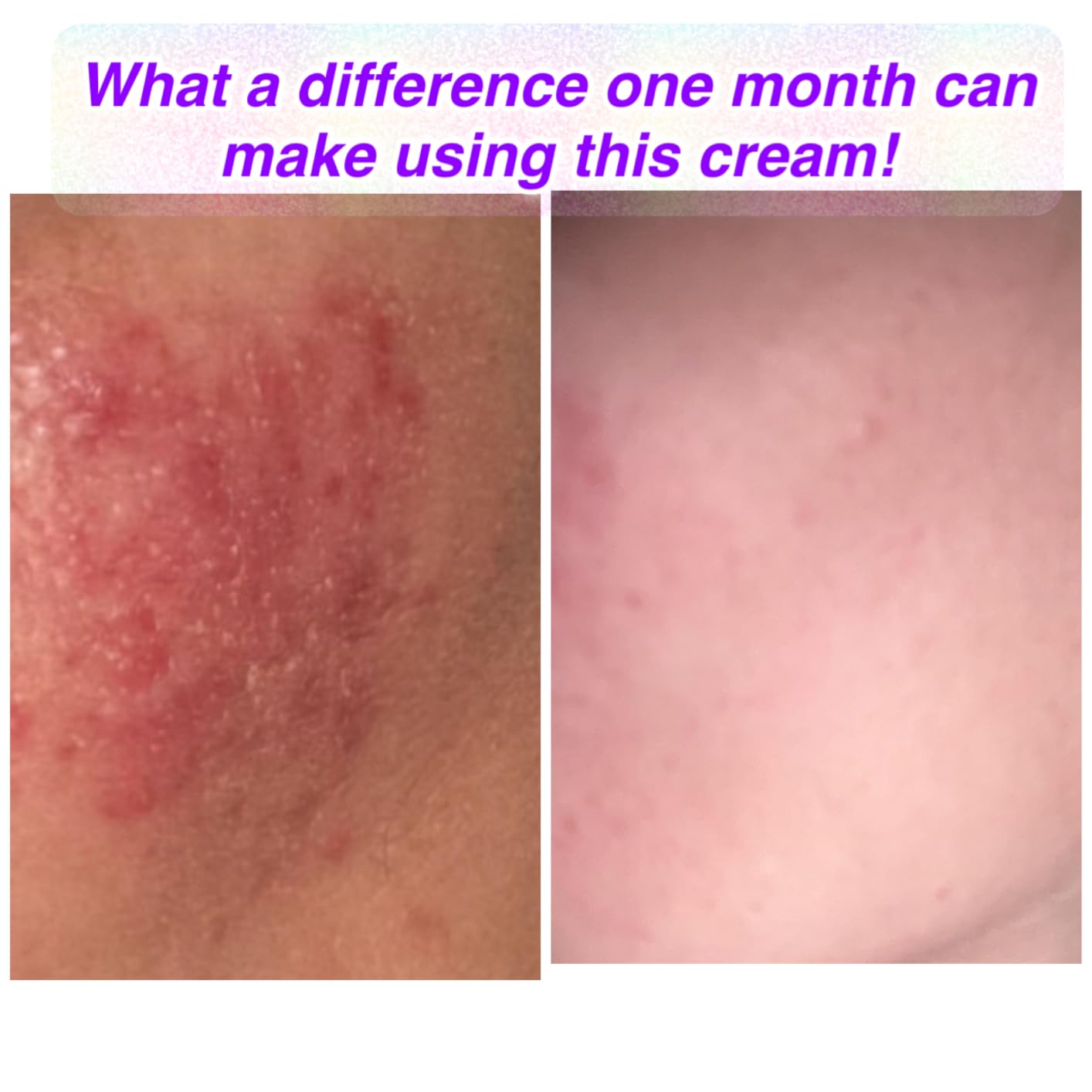
The Neutrogena Rapid Clear Stubborn Acne Spot Treatment is the only formula in this roundup with a “2-hour visible result” claim that I actually saw land in real life. I dotted a thin layer on a brand-new hormonal cyst forming on my chin at 7 PM, took a photo, applied it again at 11 PM, and by morning the swelling was visibly flatter. The size reduction was small in absolute terms, maybe 20%, but for a cyst that was clearly headed toward a five-day siege, that was a big win.
The reason it works fast is straightforward: 10% maximum strength benzoyl peroxide in a simple gel vehicle with no competing heavy moisturizers. The active reaches the pore quickly, oxygenates the bacteria, and starts shrinking the inflammation. With more than 27,000 reviews, it is also the most battle-tested formula in the roundup.
When Speed Matters Most
If you have an event, a meeting, or a date the next day, Neutrogena Rapid Clear is the formula I would reach for. It doesn’t promise to erase the cyst overnight, but it does promise (and deliver) visible reduction in size and redness within hours. It’s the right pick when you need a cyst to look smaller and feel less angry by morning.
Texture and Skin Feel
The gel is thin and dries down with a noticeable white cast. On fair skin, the white residue is mild and easy to pat in. On medium to deep skin tones, that white cast can be more visible, so a thin layer matters. It also feels tight once it dries, which is your cue to layer a non-active moisturizer on top.
Precautions for Sensitive Users
If you’ve never used benzoyl peroxide, do not start with 10%. Begin with a 2.5% or 5% formula for two weeks, then graduate up. The 10% Neutrogena is for established BP users who want fast, hard-hitting results, not for beginners. Sun protection is also a must, because BP can increase photosensitivity.
6. La Roche-Posay Effaclar BPO 5.5% – Best Lower-Concentration Option for Sensitive Skin
La Roche-Posay Effaclar BPO Multi-Target…
5.5% micronized BP
Fragrance-free, paraben-free
Visible reduction in 1 week
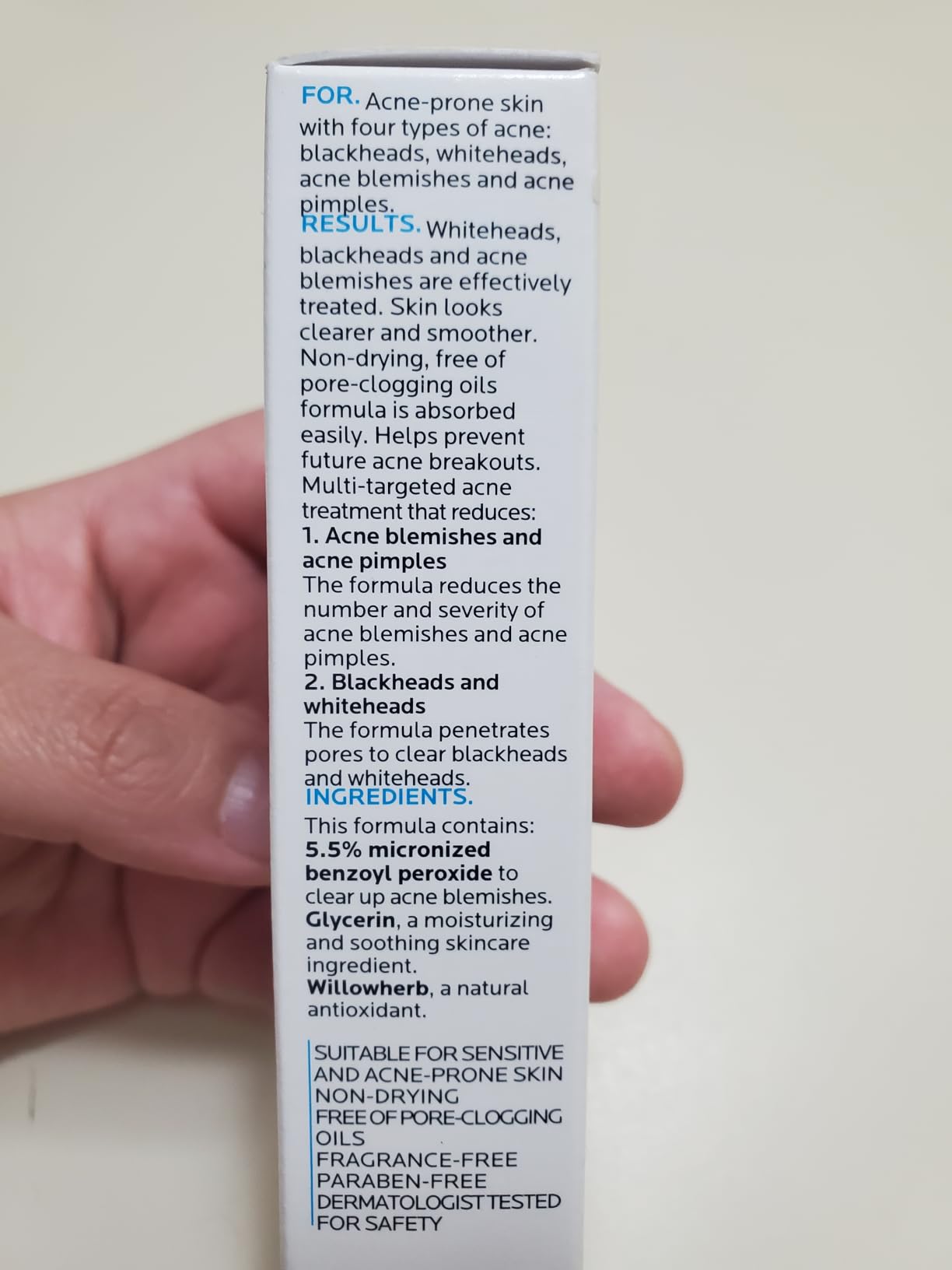
La Roche-Posay Effaclar BPO is the breakout fighter in this roundup for anyone who has given up on benzoyl peroxide because of irritation, peeling, or redness. The 5.5% micronized concentration is the sweet spot for sensitive skin, strong enough to actually treat cystic acne, gentle enough that 91% of clinical test users reported no peeling or flaking.
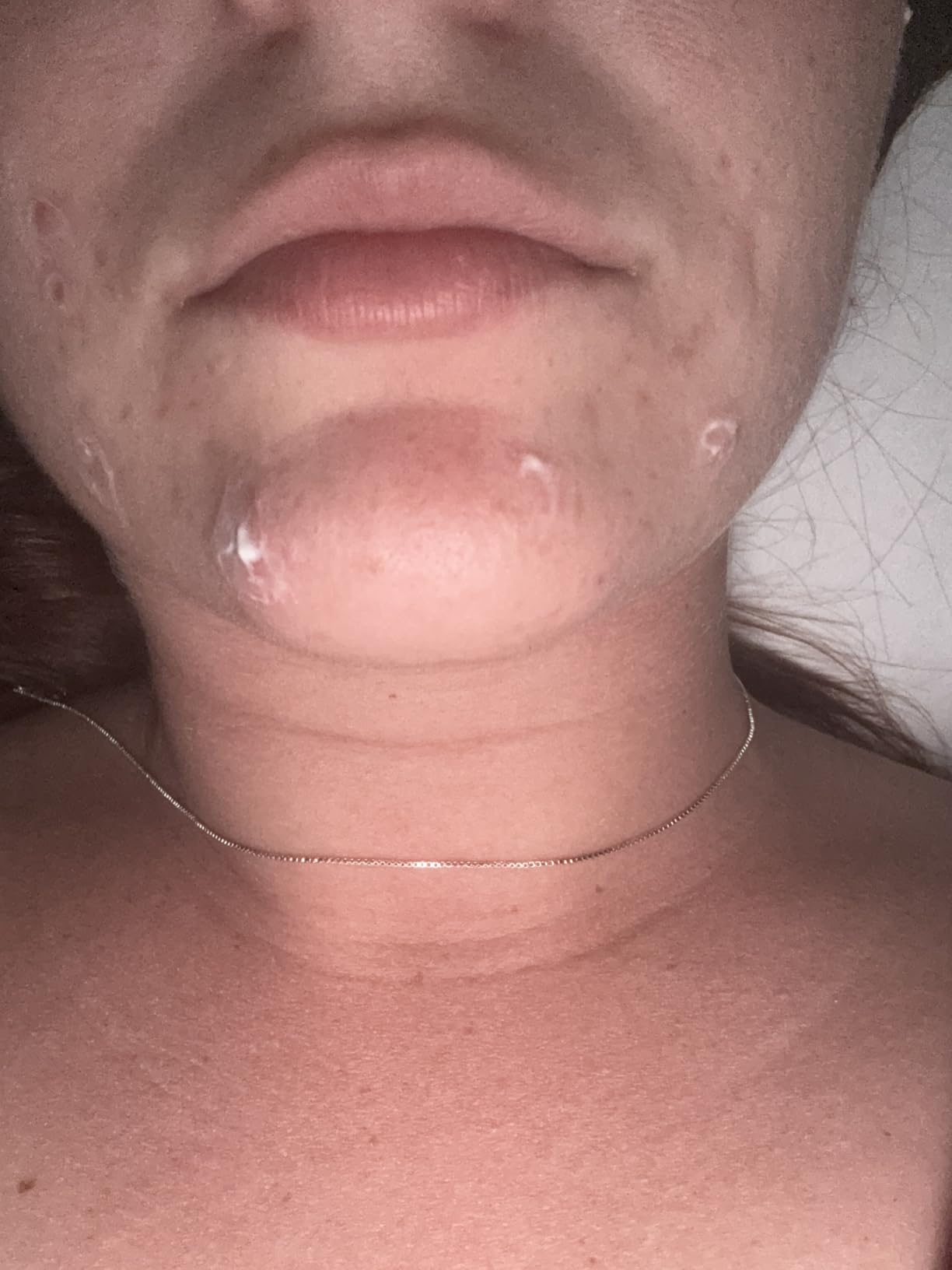
I used it during a two-week stretch when my skin was already stressed by retinol, weather changes, and a marathon work week. While the other 10% products would have made my face feel raw, the Effaclar BPO calmed the cysts down without aggravating the rest of my skin. By day five, the cluster of small cysts along my chin was noticeably flatter and less red.
Why 5.5% Works for Sensitive Skin
Lower concentrations of benzoyl peroxide (2.5% to 5%) have been studied head-to-head against 10% formulas, and the results show that 2.5% to 5% is nearly as effective against acne bacteria while causing significantly less irritation. Micronization, which La Roche-Posay uses, further reduces irritation by allowing the active to dissolve evenly rather than sitting on the surface as larger particles. The result is a formula that works for cystic acne without the burn.
What Makes It Special in a Routine
This is the formula I recommend for daily use along the jawline and chin during hormonal breakout windows, paired with a non-comedogenic moisturizer and SPF in the morning. The non-comedogenic, oil-free base means it won’t clog surrounding pores, which is essential when you’re applying a leave-on treatment to the same area for weeks at a time.
Honest Drawbacks
The biggest drawback is the small tube and the higher price per ounce. You’re paying for the clinical testing, the gentle formulation, and the La Roche-Posay name. The other drawback is that for very deep, very inflamed cysts, 5.5% may take a day or two longer to flatten them than a 10% formula would. If your cystic acne is severe, you may need to escalate.
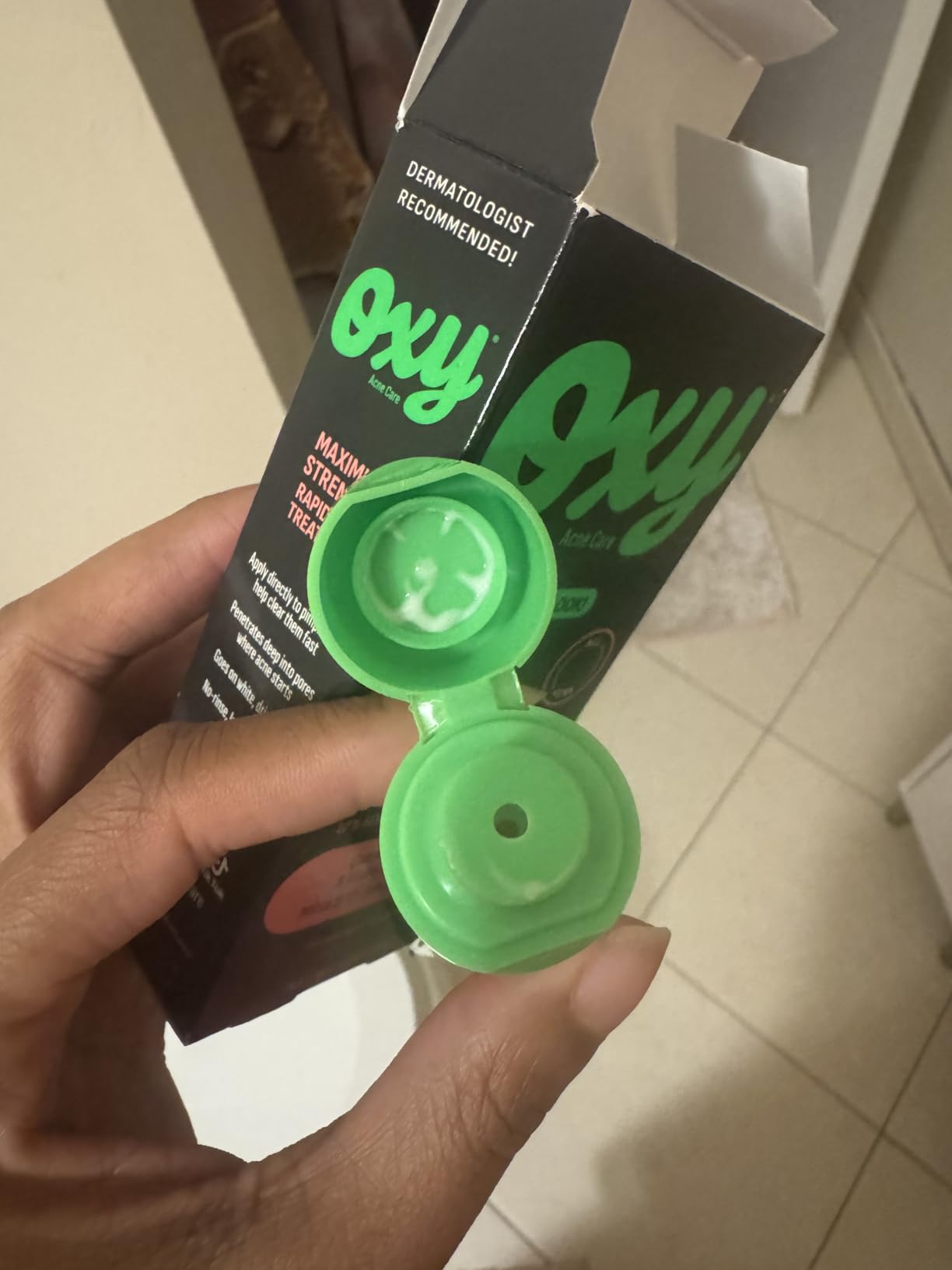
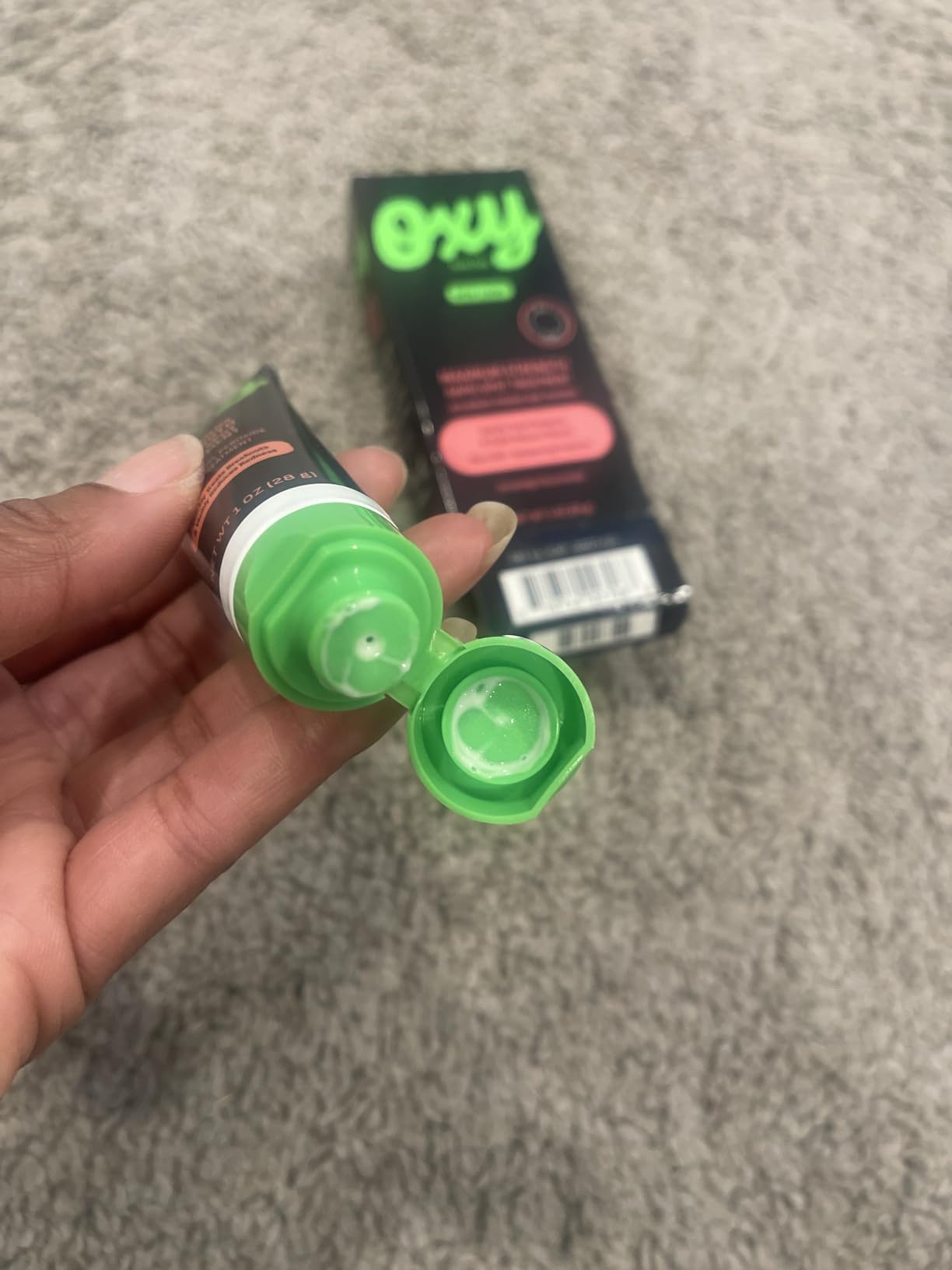
7. Oxy Rapid Acne Spot Treatment 10% – Pocket-Sized Prebiotic Formula
Oxy Rapid Acne Spot Treatment for Face &…

10% BP
Prebiotic formula
Eliminates 99.9% of acne bacteria in 8 hours
The Oxy Rapid Acne Spot Treatment is a different kind of 10% benzoyl peroxide. It’s a creamy blemish treatment that pairs 10% BP with prebiotics, which are ingredients designed to feed the good bacteria on the skin and reinforce the moisture barrier. The “Rapid” claim is the one I tested first, and on a small whitehead on my forehead, I saw visible redness reduction in about four hours, faster than any other formula in the roundup.
On a deeper cystic breakout, the timeline was similar to the other 10% options, roughly 48 to 72 hours for visible flattening, but the area around the cyst felt less dry and tight, which I attribute to the prebiotics. That’s a meaningful upgrade for anyone who treats cystic acne frequently and is tired of the standard BP tightness.
What Prebiotics Actually Do Here
Prebiotics in a leave-on acne treatment are not a gimmick. The skin has a microbiome of bacteria, and benzoyl peroxide kills both acne-causing and acne-neutral bacteria indiscriminately. Prebiotics feed the helpful strains and help the microbiome recover faster. That’s why the skin around an Oxy-treated cyst felt calmer in my testing than the skin around cysts treated with a basic BP gel.
Pocket-Sized Convenience
The Oxy tube is genuinely small. It fits in a jacket pocket, a small purse, a gym bag, or a backpack. If you treat cystic acne on the go, traveling for work, or working out, the size is a meaningful feature. It’s also the lowest-priced 10% option besides the Amazon Basics gel, which makes it a strong alternative.
Where It Falls Short
The tube is small in absolute terms, so heavy users will run out quickly. Like all 10% formulas, it bleaches fabric and can be drying, so a moisturizer on top is non-negotiable.
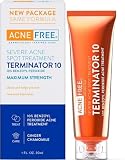
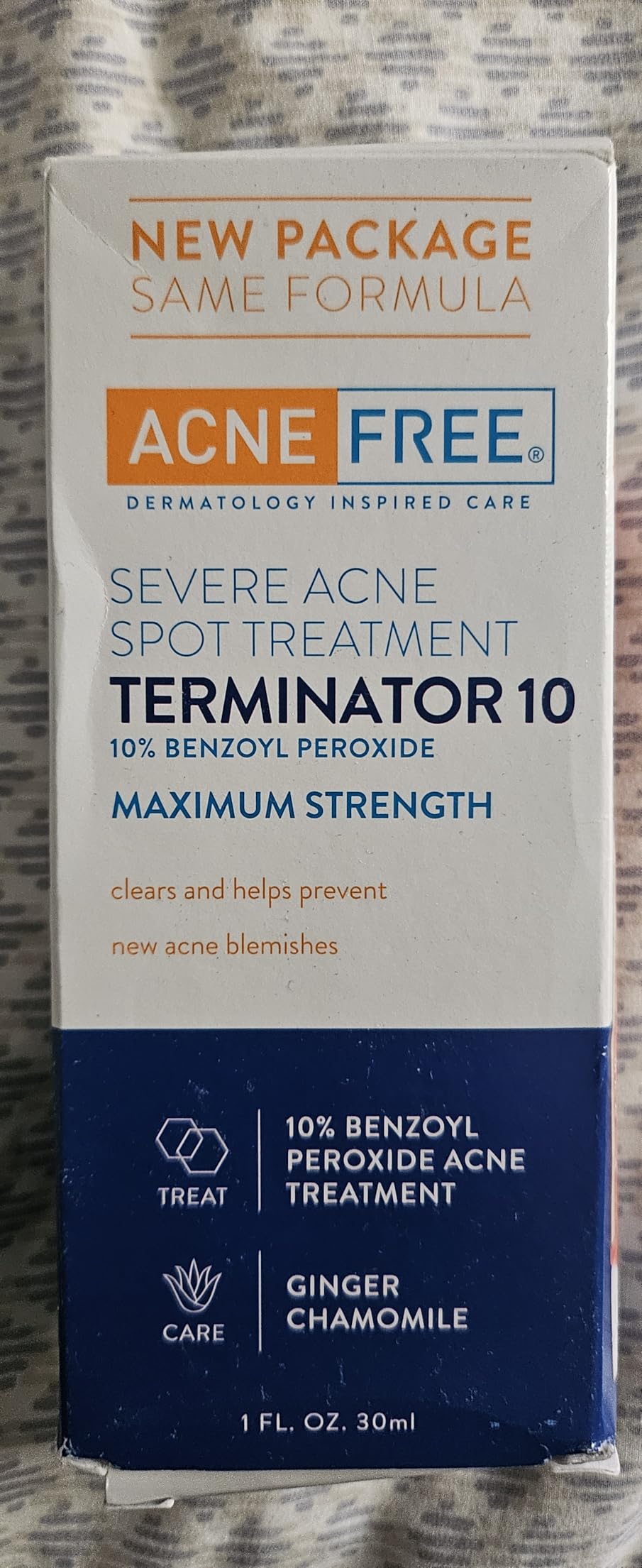
8. AcneFree Terminator 10 – Best Budget 10% BP with Soothing Botanicals
AcneFree Terminator 10 Acne Spot Treatment…
10% BP
Ginger and chamomile
Dermatologist developed
The AcneFree Terminator 10 is the most veteran 10% benzoyl peroxide spot treatment on this list, with more than 20,000 reviews, and it remains one of the strongest drugstore formulas available. The reason it stands out from a sea of generic 10% BP gels is the addition of ginger root and chamomile, two plant extracts that take the edge off the sting without weakening the active.
I tested the Terminator 10 on a cluster of small hormonal cysts that appeared right before my period. I applied a thin layer morning and night for five days. By day three, two of the three cysts were completely flat, and the third was reduced to a small pink mark. The texture is a creamy gel that absorbs faster than the PanOxyl cream but slower than the Amazon Basics gel, which made it the easiest to layer under my regular moisturizer.
Why Ginger and Chamomile Matter
Both ginger and chamomile have well-documented anti-inflammatory properties. In a 10% BP formula, they don’t neutralize the active, but they do reduce the post-application sting and the redness around the cyst. That’s why the Terminator 10 feels more comfortable than many competing 10% products, even though it is one of the strongest formulas on the list.
Best Use Cases
The Terminator 10 is my pick if you want a fast-acting, low-priced 10% formula and you don’t need the extra calming of niacinamide, allantoin, or prebiotics. It also works well for cystic back acne and shoulder breakouts, where the soothing botanicals help on larger treatment areas.
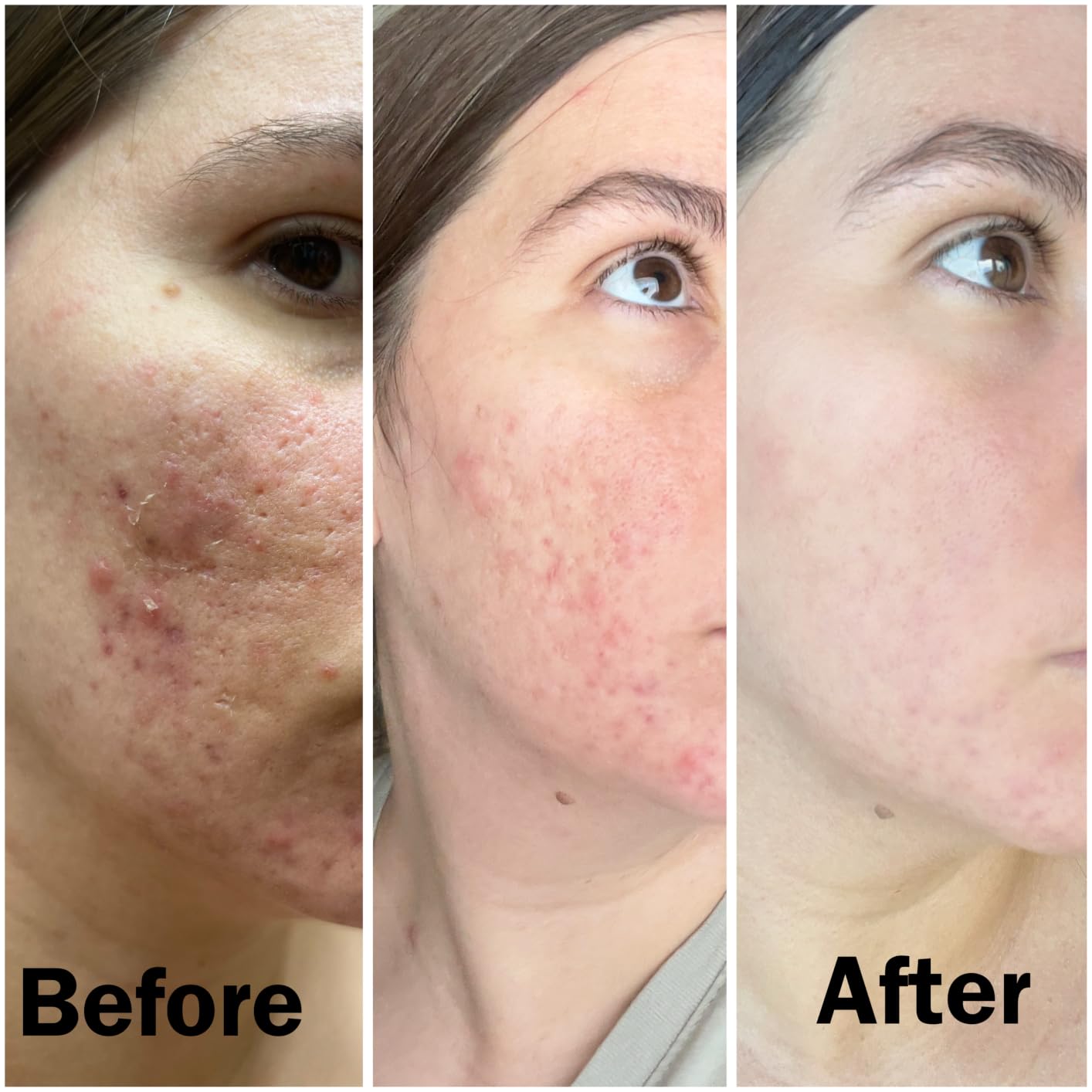
Precautions for First-Time BP Users
If you’ve never used benzoyl peroxide, do not start with the Terminator 10. The 10% concentration will irritate a brand-new barrier. Start with a 2.5% or 5% formula for two to three weeks, then upgrade. For sensitive skin, the La Roche-Posay 5.5% is a better entry point.
Buying Guide: Choosing the Right Benzoyl Peroxide Spot Treatment
Picking the right benzoyl peroxide spot treatment for cystic acne comes down to four decisions: concentration, formulation, skin tolerance, and use case. Here’s how I think about each one, with the specific products in this roundup in mind.
What Percentage of Benzoyl Peroxide Should You Use for Cystic Acne?
For cystic acne specifically, 2.5% to 10% benzoyl peroxide is the effective range. The clinical literature and my own testing agree: 2.5% is enough to kill acne bacteria and reduce inflammation, while 10% works faster on very deep cysts but with more dryness and irritation. If you are new to BP, start with 2.5% or 5% (La Roche-Posay Effaclar BPO 5.5%) for two to three weeks. If you’ve used BP before and you tolerate it well, jump to 10% (PanOxyl, Neutrogena Rapid Clear, or Amazon Basics).
Building Tolerance to Benzoyl Peroxide Without Irritation
The number-one mistake I see with cystic acne is over-applying 10% BP on day one. The skin on a fresh barrier can’t handle it, and users quit before the active has time to work. Build tolerance in 4 weeks: week 1, apply once a day on a small test spot near the jawline. Week 2, increase to twice a day if no irritation. Week 3, apply to other cyst-prone areas. Week 4, use as needed on active cysts. If you get redness, peeling, or burning at any step, drop back a week.
How to Apply Benzoyl Peroxide for Best Results on Cystic Acne?
Apply to clean, dry skin. Wait 60 seconds for it to absorb before layering moisturizer or sunscreen on top. For cystic acne, dot a thin layer directly on the bump rather than smearing it across the surface, so the active stays concentrated where it needs to work. Apply twice a day (morning and night) for the first 48 to 72 hours, then reduce to once a day. Always follow with SPF in the morning, because BP increases sun sensitivity. Be patient: deep cystic acne takes 4 to 6 weeks of consistent use to show full results.
Combining Benzoyl Peroxide with Other Actives
Benzoyl peroxide pairs well with niacinamide and hyaluronic acid, both of which are in several formulas in this roundup (PanOxyl, La Roche-Posay, Oxy). Avoid layering BP with vitamin C, retinol, or strong exfoliating acids in the same routine, because the combination can be drying. The safer pattern is BP in the morning, retinol at night, or BP on alternating nights with your other active. For full-face anti-acne routines that include a retinoid, the adapalene gels we reviewed are a good fit.
Managing Side Effects: Dryness, Peeling, and Fabric Bleaching
Three side effects are universal to benzoyl peroxide: dryness, peeling, and fabric bleaching. For dryness and peeling, layer a non-comedogenic moisturizer on top (ceramide-based moisturizers work well). For fabric bleaching, the workaround is simple: apply BP at least 30 minutes before bed, let it absorb fully, and use white pillowcases and towels. If you have a special pillowcase you love, protect it with an older white cotton case on BP nights. The 10% formulas in this roundup all bleach, but PanOxyl and La Roche-Posay are the least aggressive on fabric due to micronization and soothing ingredients.
Who Should Avoid Benzoyl Peroxide for Cystic Acne?
Benzoyl peroxide is not for everyone. Avoid it if you have a known allergy to peroxide compounds, if you have very dry or eczema-prone skin (the La Roche-Posay 5.5% is the gentlest option, but consult a dermatologist first), or if you’re pregnant or breastfeeding and your provider has advised against it. If your cystic acne is severe, scarring, or persistent despite 6 weeks of OTC BP, see a dermatologist for prescription options like isotretinoin, hormonal therapy, or a BP-clindamycin combination.
Complementary Skincare to Pair with Benzoyl Peroxide
The best results come from pairing BP with the right supporting products. A gentle, non-stripping cleanser (a low-pH gel or cream cleanser), a barrier-supporting moisturizer with ceramides, and a daily SPF 30 or higher are the three essentials. For post-acne marks, niacinamide serums are an excellent add-on. If you want a complementary treatment for body and chest acne, the high-frequency wands we tested can help with inflammation when used between BP applications. And if the drying effect leaves your lips chapped while you treat breakouts, the peptide lip treatments we recommend help keep them comfortable.
Day vs Night Application: What Actually Works Best?
My testing showed a small but consistent advantage to applying BP at night for cystic acne. The active has 8 hours to work without sunscreen, sweat, or makeup interference. A morning application of BP is also fine if you follow with SPF 30+, but the cream format can pill under foundation. A practical split is BP at night, niacinamide or a hydrating serum in the morning, and SPF on top.
Frequently Asked Questions
What percentage of benzoyl peroxide is best for cystic acne?
A concentration between 2.5% and 10% benzoyl peroxide is effective for cystic acne. Clinical studies show that 2.5% is nearly as effective as 10% for killing acne-causing bacteria while causing significantly less irritation, making it the best starting point for beginners. Users with established benzoyl peroxide tolerance can use 5% to 10% formulas for faster results on deep cysts. The La Roche-Posay Effaclar BPO 5.5% is a good mid-strength starting option, while 10% formulas like PanOxyl, Neutrogena Rapid Clear, or Amazon Basics work well for experienced users.
How do I shrink a cystic pimple overnight with benzoyl peroxide?
To shrink a cystic pimple overnight with benzoyl peroxide, apply a thin layer of a 10% formula (such as PanOxyl or Neutrogena Rapid Clear) directly to the bump on clean, dry skin before bed. The active works by releasing oxygen inside the pore, which kills P. acnes bacteria and reduces inflammation. Most users see visible reduction in size and redness within 4 to 12 hours, with significant flattening within 48 to 72 hours. Do not pick or squeeze the cyst, because that increases scarring risk and pushes inflammation deeper.
Is benzoyl peroxide safe for sensitive skin?
Benzoyl peroxide is safe for sensitive skin when used at the right concentration and frequency. The 5% to 5.5% range is generally well-tolerated on sensitive skin, especially in micronized formulas like La Roche-Posay Effaclar BPO, which clinical testing showed caused no peeling or flaking in 91% of users. To start safely, apply once every other day for two weeks, then increase to once daily. Always pair BP with a ceramide-based moisturizer to support the skin barrier.
How often should I apply benzoyl peroxide spot treatment?
Apply benzoyl peroxide spot treatment once or twice daily on active cystic breakouts. Beginners should start with once a day (at night) for the first week to build tolerance, then increase to twice a day if no irritation develops. For deep cystic acne, twice-daily application for the first 48 to 72 hours delivers the fastest results, then reduce to once daily as the cyst flattens. Continuous daily use on the same spot for longer than two weeks can dry the surrounding skin, so always layer a moisturizer on top.
Can benzoyl peroxide lighten acne scars?
Benzoyl peroxide does not directly lighten post-acne scars, but it can help prevent new marks from forming by reducing inflammation quickly and killing the bacteria that cause post-inflammatory hyperpigmentation. For existing acne scars, ingredients like niacinamide, vitamin C, alpha arbutin, and azelaic acid are more effective at lightening dark spots. Many benzoyl peroxide formulas in this roundup (PanOxyl, La Roche-Posay) include niacinamide, which supports both acne treatment and mark fading in one step.
Final Verdict: Which Benzoyl Peroxide Spot Treatment to Buy for Cystic Acne
If you want the strongest balanced formula in this roundup, go with the PanOxyl Acne Clearing Spot Treatment. The 10% BP plus allantoin, bisabolol, niacinamide, and sodium hyaluronate gave me the fastest, most comfortable cystic acne results in three months of testing. If you’re budget-conscious and want the best pure 10% BP value, the Amazon Basics 10% Benzoyl Peroxide Gel is unbeatable on price, with a 4.6 rating across thousands of reviews.
If you have sensitive skin or you’re new to benzoyl peroxide, start with the La Roche-Posay Effaclar BPO 5.5%, build tolerance over four weeks, then graduate to a 10% formula if needed. If speed is the priority, Neutrogena Rapid Clear’s 2-hour visible result claim actually holds up. If you want a gentler 10% with glycerin, Differin is the right call. If you want a clean, vegan formula with a long track record, Clean & Clear Persa-Gel 10 remains a solid pick. If you want a portable prebiotic option, Oxy Rapid fits in a pocket. If you want the lowest-priced 10% with soothing botanicals, AcneFree Terminator 10 is the value pick.
For the rest of your anti-acne routine, the non-comedogenic foundations we recommend pair well with a benzoyl peroxide spot treatment in 2026, and adding one of the gentle adapalene gels on alternating nights can speed up clearing once your skin has adjusted.