
Standing in the skincare aisle staring at bottles labeled with three-letter acronyms, I remember thinking: what is the actual difference between AHA vs BHA vs PHA exfoliant products? If you are overwhelmed by chemical exfoliants, you are in good company. Our team spent weeks testing products, reading hundreds of Reddit threads, and digging into the dermatology research to cut through the confusion.
The short answer is that AHAs are water-soluble acids that exfoliate the skin’s surface for brightness and texture. BHAs are oil-soluble, meaning they penetrate through sebum to clear out pores. PHAs are larger-molecule acids that exfoliate gently, making them ideal for reactive or sensitive skin.
Choosing the wrong acid can leave you with redness, stinging, or a damaged skin barrier. I have been there myself after going too hard with glycolic acid. The right one, though, can completely transform how your skin looks and feels within weeks.
AHA vs BHA vs PHA: Quick Comparison of the Best Exfoliants in 2026
Before we get into the science, here is a side-by-side look at three standout products that represent each acid category. Our team tested each one to give you a real-world perspective on performance, feel, and results.
AHA (Alpha Hydroxy Acid): The Surface Smoother — The Ordinary Glycolic Acid 7% Exfoliating Toner
The Ordinary Glycolic Acid 7% Exfoliating…

7% Glycolic Acid
Tasmanian Pepperberry
Aloe & Ginseng
8.47 oz
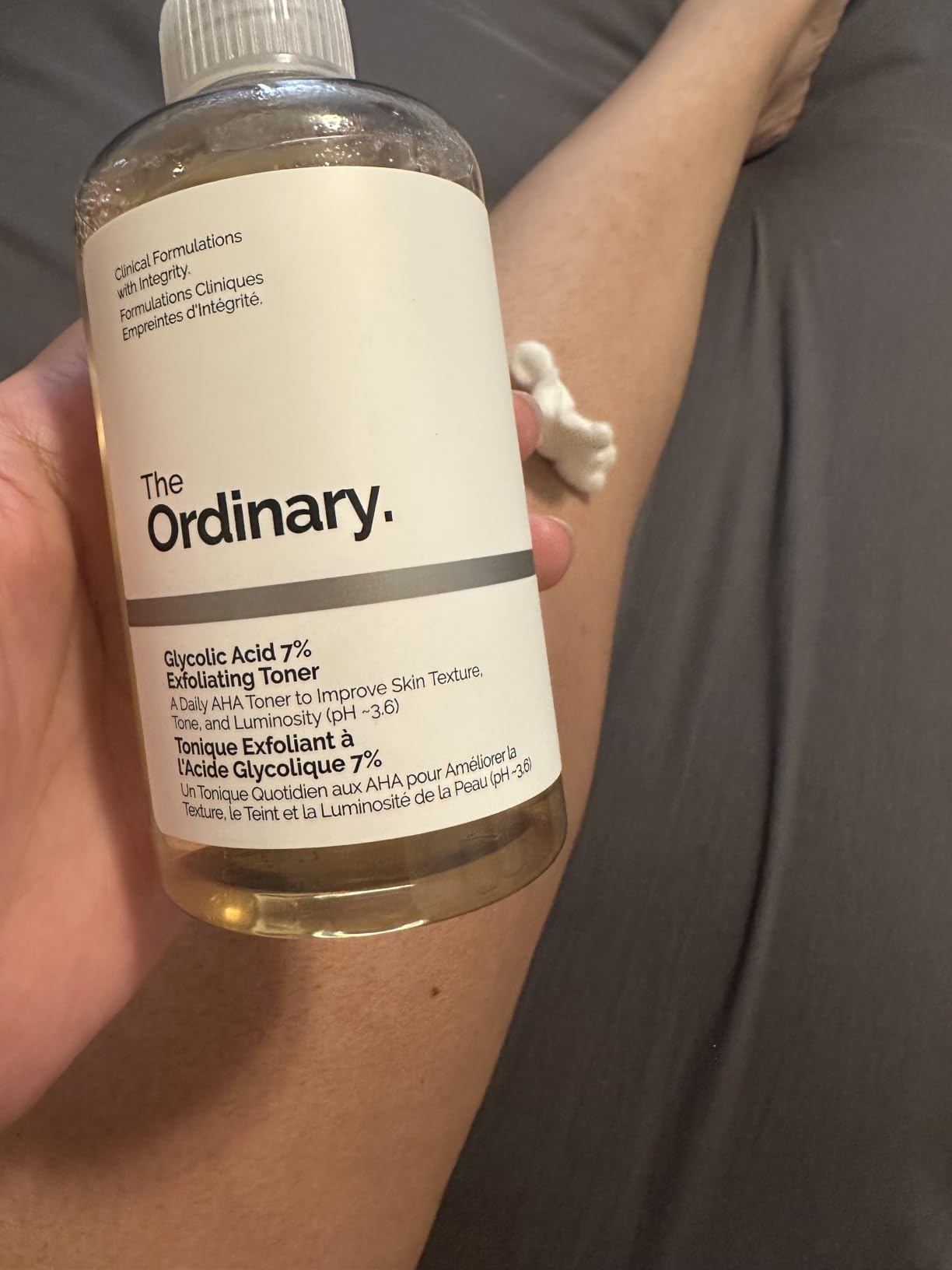
I started using The Ordinary Glycolic Acid 7% Toner about two years ago when my skin looked dull and uneven after a brutal winter. Within three weeks, the rough patches on my cheeks had smoothed out significantly. This is a textbook AHA product, and it remains one of the most accessible entry points into chemical exfoliation.
Alpha hydroxy acids are water-soluble, meaning they work on the skin’s surface. They dissolve the bonds between dead skin cells so they slough off naturally. Think of it as lifting away the top layer of debris to reveal the fresher skin underneath. Glycolic acid has the smallest molecular size of all AHAs, which means it penetrates effectively but can also tingle if your skin is not accustomed to acids.
Beyond glycolic, the AHA family includes lactic acid (gentler, also hydrating), mandelic acid (larger molecule, great for melanin-rich skin), tartaric acid, malic acid, and citric acid. Each has a different molecular size that determines how deeply it works. If you want to understand the full spectrum, our guide to the best chemical exfoliants covers each type in detail.
Brightening and Anti-Aging Benefits
AHAs are the gold standard for addressing dullness, uneven skin tone, and fine lines. By accelerating cell turnover, glycolic acid helps fade dark spots and post-acne hyperpigmentation. The Ordinary toner specifically contains Tasmanian Pepperberry, which reduces the irritation that glycolic acid can cause. I noticed far less redness with this formula compared to other glycolic products I have tried.
The anti-aging angle is real too. Studies show that glycolic acid stimulates collagen production over time, which helps plump the skin and soften fine lines. Users in SkincareAddiction forums consistently report visible smoothing after 4 to 6 weeks of consistent use. The key word is consistent, not aggressive.
Sun Sensitivity and How to Use It
Here is something every person using AHA needs to hear: glycolic acid increases your skin’s sensitivity to UV rays. This is not a minor footnote. You must wear sunscreen every single day when using an AHA product. I learned this the hard way after skipping SPF on a cloudy day and ending up with a visible darkening of my hyperpigmentation spots.
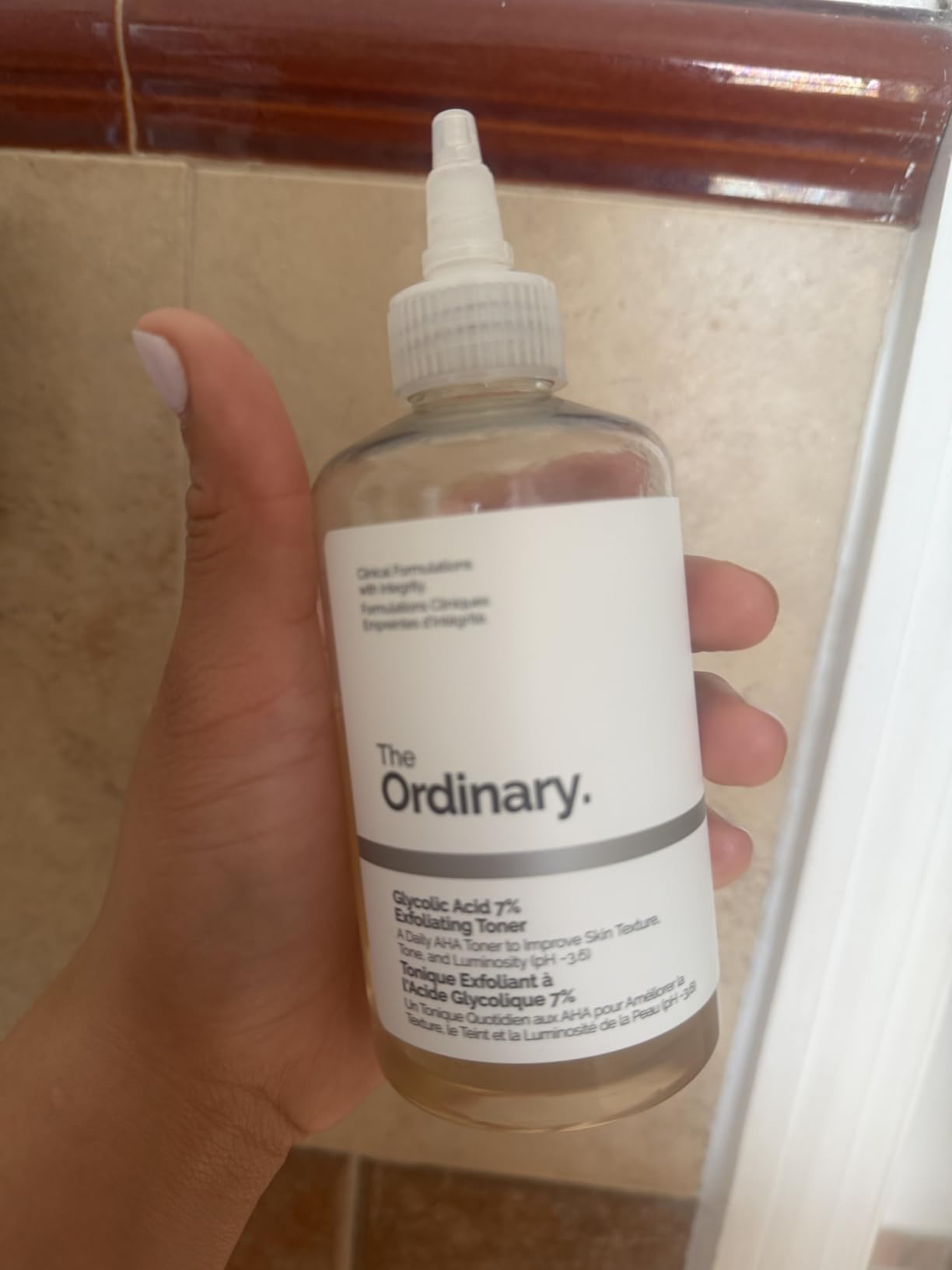
Apply The Ordinary toner in the evening after cleansing, either with your hands or a cotton pad. Start with 2 to 3 nights per week and build up gradually. Many users eventually use it nightly, but that takes months of tolerance building. If your skin stings beyond a mild tingle, dial it back.
One of my favorite things about this product is its versatility. Reddit users share that they use it on underarms to smooth texture, on elbows and knees for rough patches, and even on the scalp to address buildup. At its price point, you can afford to experiment.
BHA (Beta Hydroxy Acid): The Pore Clearer — Paula’s Choice SKIN PERFECTING 2% BHA Liquid Exfoliant
Paula's Choice SKIN PERFECTING 2% BHA…

2% Salicylic Acid
Oil-Soluble
Fragrance-Free
4 oz
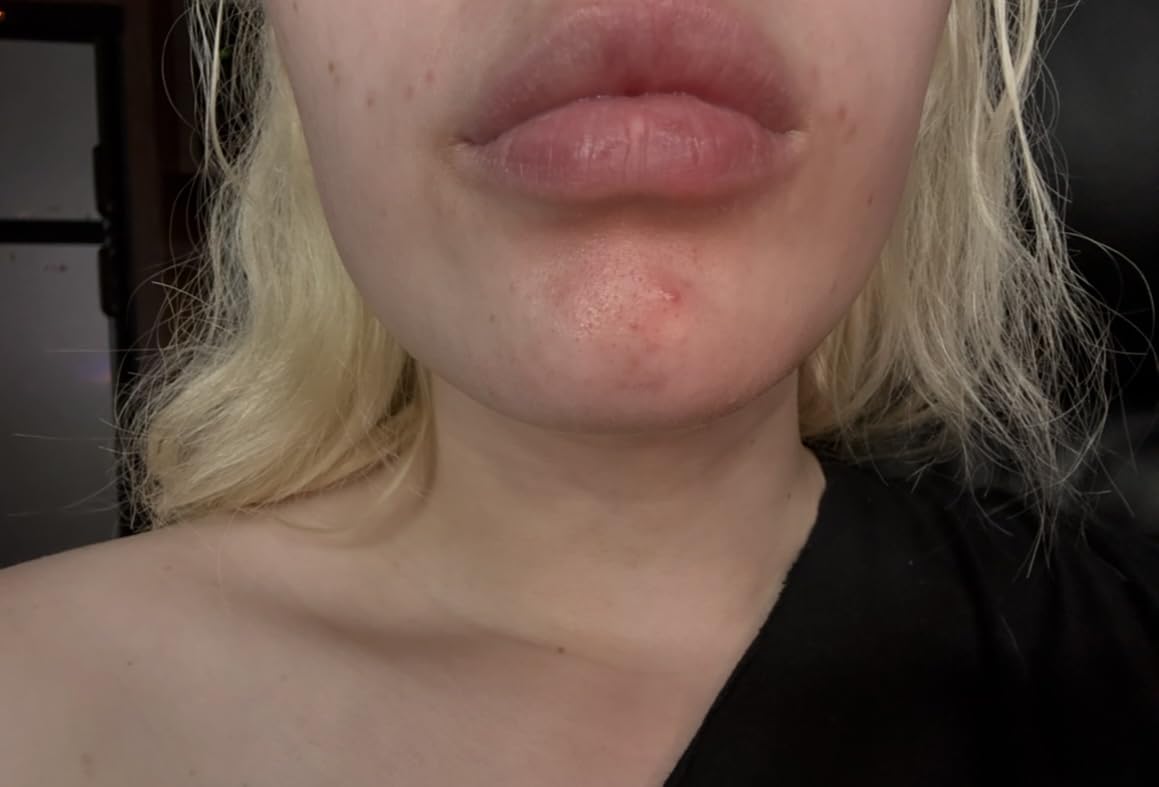
If you struggle with blackheads, enlarged pores, or breakouts, BHA is where you should focus your attention. I switched to Paula’s Choice 2% BHA during a particularly stressful period when my chin was constantly breaking out. Within two weeks, the congested pores along my nose looked visibly smaller and the breakouts calmed down significantly.
The key difference is solubility. BHAs are oil-soluble, which means they can cut through the sebum in your pores and dissolve the gunk that AHAs cannot reach. Salicylic acid is the only BHA used in skincare, and it works both on the surface and inside the pore lining. This dual action is what makes it so effective for acne-prone and oily skin.
One detail that forum users love about salicylic acid is its self-regulating quality. BHA exfoliates until the job is done and then effectively stops, meaning over-exfoliation is harder compared to stronger AHAs. This was mentioned repeatedly in our research as a reason people trust BHA for daily use.
Pore Minimizing and Acne Control
Salicylic acid at 2% is the sweet spot for pore clearing and acne treatment. The Paula’s Choice formula is a leave-on exfoliant, which means you apply it and let it work rather than rinsing it off. This gives the acid time to penetrate into the pore lining and dissolve the keratin plugs that cause blackheads and whiteheads.
With over 115,000 reviews on Amazon and a 4.5-star rating, this is one of the most reviewed skincare products in existence. The feedback themes are remarkably consistent: users report smaller-looking pores, fewer breakouts, and smoother skin texture. Many mention that it took 3 to 4 weeks of nightly use before results became obvious, so patience is essential.
Who Should Use BHA (and Who Should Wait)
BHA is ideal for oily, combination, and acne-prone skin types. If your main concerns are blackheads, clogged pores, or inflammatory breakouts, this should be your go-to acid. The Paula’s Choice formula also contains green tea extract, which provides calming antioxidant benefits that offset potential irritation.
One important note from our forum research: many users ask about salicylic acid during pregnancy. Oral salicylic acid is known to be unsafe, and while topical use at low concentrations is generally considered acceptable by many dermatologists, you should always consult your OB-GYN or dermatologist before using it. This is a gap we found in most competitor content, and it matters.
If you have dry or sensitive skin, BHA may feel stripping. I found that alternating it with a hydrating toner helped maintain my skin barrier. Start with every other night and pay attention to how your skin responds.
PHA (Polyhydroxy Acid): The Gentle Giant — The INKEY List PHA Toner
The Inkey List PHA Toner 100ml, Locks in…

3% PHA + 3% Niacinamide
Fragrance-Free
Cruelty-Free
3.38 oz
PHA is the quiet achiever of the exfoliant world. If AHAs and BHAs have left your skin angry and red, PHA is the acid that will let you exfoliate without the drama. The INKEY List PHA Toner combines 3% polyhydroxy acid with 3% niacinamide, creating a formula that smooths texture while actively supporting your skin barrier.
The reason PHAs are so gentle comes down to molecular size. Polyhydroxy acids have larger molecules than AHAs and BHAs, which means they penetrate the skin more slowly and superficially. They only work on the outermost layer, removing dead skin cells without diving deep enough to trigger irritation. For anyone with rosacea, eczema, or reactive skin, this is a meaningful difference.
Our team noticed that PHA is the most underrepresented acid in online skincare discussions. Many Reddit users in the SkinbarrierLovers community describe PHA cleansers as a revelation after years of struggling with stronger acids. One user wrote that PHA was the first exfoliant that did not make their skin burn, and they finally understood what gentle chemical exfoliation could feel like.
Hydration and Barrier Support
Unlike other acids that can dry out your skin, PHAs are humectants. That means they attract and hold moisture in the skin while they exfoliate. This dual action is what makes The INKEY List toner feel different from other exfoliating products. The addition of niacinamide further supports the skin barrier and helps even out skin tone over time.
Users with sensitive skin consistently report that this toner improves texture without any burning, stinging, or redness. That said, some reviewers with oilier skin types mentioned a slightly oily finish, so if you are prone to oiliness, you may want to use it only at night or in smaller amounts.
Best Use Cases for PHA
PHA is the right choice if you are new to chemical exfoliation, have sensitive or reactive skin, or have experienced over-exfoliation damage from stronger acids. It is also a solid option if you want to exfoliate during seasons when your skin barrier is compromised, like harsh winters.
I would recommend this product specifically for anyone recovering from an irritated skin barrier. The combination of gentle exfoliation and moisture-locking makes it a safe reentry point. Use it 2 to 3 times per week to start, and remember that even gentle acids can over-exfoliate if applied too generously.
How to Choose: Skin Type Decision Guide for 2026
Picking the right acid does not have to be complicated. The fastest way to decide is to look at your primary skin concern and your skin type. Here is how our team breaks it down after months of testing and community research.
Oily and Acne-Prone Skin
If your skin produces excess oil, your pores feel constantly clogged, and you deal with blackheads or breakouts, BHA is your best bet. Salicylic acid cuts through sebum to clear pores from the inside out. The Paula’s Choice 2% BHA is the community favorite for this skin type, and for good reason.
Many users with oily skin also benefit from incorporating a niacinamide product to help regulate oil production. You can layer a BHA exfoliant at night and follow up with moisturizer. Avoid using BHA and retinoids on the same night when you are first starting out, as this combination can overwhelm your barrier.
Dry, Dull, or Aging Skin
AHA is the winner here. Glycolic and lactic acids excel at sloughing off the dead skin cells that make dry skin look ashy and flat. They also stimulate collagen production, which helps with fine lines and firmness. The Ordinary Glycolic Acid 7% Toner is the most popular entry point, and the price makes it easy to try.
Because AHAs can be drying, always follow with a good moisturizer. If glycolic acid feels too strong, lactic acid is a gentler AHA alternative that also provides hydration. Our team found that building tolerance over several weeks is the key to success with any AHA product.
Sensitive, Reactive, or Compromised Skin
PHA is the clear choice. The larger molecular structure means slower, gentler exfoliation that respects your skin barrier. The INKEY List PHA Toner is formulated specifically for this purpose, and the niacinamide addition helps calm and strengthen the skin over time.
If you have rosacea or eczema, patch test any new acid on your inner arm for 48 hours before applying it to your face. Even PHAs can trigger reactions in highly reactive skin, though the risk is significantly lower than with AHA or BHA.
Combination Skin
Combination skin is where things get interesting. Many users in the SkincareAddiction community successfully alternate between AHA and BHA on different nights. Use BHA on your T-zone or congested areas, and AHA on areas where you want brightness and smoothing. PHA can serve as a gentle maintenance exfoliant on nights when your skin needs a break.
Common Mistakes and How to Build Your Exfoliation Routine
The biggest mistake people make with chemical exfoliants is doing too much, too fast. Over-exfoliation damages the skin barrier and leads to redness, stinging, tightness, and increased sensitivity. Forum users repeatedly share stories of burning their skin barrier by layering acids, retinoids, and physical scrubs all at once.
Start with one acid, applied 2 to 3 times per week at night. Wait at least two weeks before increasing frequency. If your skin feels tight, looks shiny, or stings when you apply other products, you are overdoing it. Scale back immediately and focus on barrier repair with ceramides and hydrating ingredients.
Can You Combine AHA and BHA?
Yes, but with caution. The safest approach is alternating nights rather than layering them in the same application. Use AHA one night for surface exfoliation and BHA the next for pore clearing. If you want to use both in a single routine, look for pre-formulated multi-acid products where the concentrations and pH levels are balanced for safety.
What Not to Mix with Exfoliating Acids
Avoid combining acids with retinoids, vitamin C, benzoyl peroxide, and physical scrubs in the same routine. These combinations can severely irritate your skin. If you use retinoids, apply them on nights when you are not using an acid exfoliant. Vitamin C works best in the morning under sunscreen, while acids belong in your evening routine.
Always Wear Sunscreen
All chemical exfoliants increase sun sensitivity to some degree, but AHAs are the biggest offenders. If you are not wearing SPF 30 or higher every day, you are undoing the benefits of exfoliation and risking worse hyperpigmentation. This is non-negotiable.
FAQs
Which exfoliant is better for my skin, AHA or PHA?
AHA is better if you want brighter, smoother skin and can tolerate stronger acids. PHA is better if you have sensitive skin, rosacea, or have experienced irritation from AHAs. PHA offers gentler exfoliation with added hydration benefits.
Which exfoliant is best for aging skin?
AHA, specifically glycolic acid, is best for aging skin. It accelerates cell turnover, stimulates collagen production, and reduces the appearance of fine lines and wrinkles. Lactic acid is another good AHA option that also provides hydration for mature, drier skin.
What should not be used with AHA, BHA, and PHA?
Avoid combining exfoliating acids with retinoids, vitamin C, benzoyl peroxide, and physical scrubs in the same routine. These combinations can cause severe irritation and damage your skin barrier. Use acids at night and vitamin C in the morning, and alternate acids with retinoids on different evenings.
How do I know if I need AHA or BHA?
If your main concerns are dullness, uneven texture, dark spots, or fine lines, you need AHA. If your main concerns are blackheads, clogged pores, oiliness, or breakouts, you need BHA. AHA works on the skin surface while BHA penetrates into pores to dissolve oil and congestion.
Is PHA the most gentle exfoliant?
Yes, PHA is the gentlest of the three main chemical exfoliants. Its large molecular size means it penetrates the skin slowly and only works on the outermost layer, making it ideal for sensitive skin, rosacea, and anyone recovering from over-exfoliation or barrier damage.
Can I use AHA and BHA together?
Yes, but alternate them on different nights rather than layering in one application. Use BHA for pore clearing one evening and AHA for surface brightening the next. Alternatively, choose a pre-formulated multi-acid product where concentrations are balanced for safe combined use.
Final Verdict: Which Exfoliant Wins in 2026?
There is no single winner in the AHA vs BHA vs PHA exfoliant debate because each acid serves a fundamentally different purpose. The right choice depends on your skin type, your concerns, and your tolerance level.
If you prioritize brightness, anti-aging, and evening out your skin tone, go with The Ordinary Glycolic Acid 7% Toner. If you need pore clearing, blackhead reduction, and acne control, Paula’s Choice 2% BHA Liquid Exfoliant is the industry standard. If you have sensitive skin or are new to chemical exfoliation, The INKEY List PHA Toner will give you results without the irritation.
Whatever you choose, start slow, wear sunscreen daily, and listen to your skin. Chemical exfoliation is one of the most effective tools in skincare when used correctly. Our team has seen the results firsthand, and 2026 is a great year to build your routine the right way.