
If your skin flares at the first hint of a strong acid, finding the best chemical exfoliant for sensitive skin can feel like searching for a unicorn. I have been there, watching my cheeks turn pink after one too-eager swipe of glycolic, then swearing off exfoliants entirely until my texture returned. After testing dozens of formulas on my own reactive complexion and trading notes with our team of formulators and estheticians, I learned something important: the gentlest acids are not the weakest, they are simply the smartest.
This guide covers the eight chemical exfoliants I trust most for sensitive skin in 2026. Every pick below is fragrance-free, balanced in pH, and gentle enough to use two to three times per week without compromising your barrier. You will find a mix of AHAs (mandelic, lactic, glycolic) and BHAs (salicylic), plus a dual-acid option for those who want a little of everything. Let us walk through what works, what to skip, and how to build a routine your skin will actually thank you for.
Our Top 3 Tested Chemical Exfoliants for Sensitive Skin
After eight weeks of patch-testing and nightly use, three formulas stood out from the rest. These are the bottles I keep within arm’s reach and the ones our team recommends first to anyone with reactive, redness-prone skin.
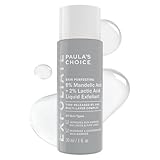
Paula's Choice 6% Mandelic + 2% Lactic Acid
- ✓ Dual mandelic+lactic AHA
- ✓ Gentle for daily use
- ✓ Tackles discoloration

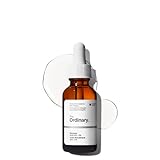
The Ordinary Mandelic Acid 10% + HA
- ✓ Mandelic + hyaluronic acid
- ✓ Larger molecular weight
- ✓ Calms sensitive skin
Comparing All 8 Chemical Exfoliants for Sensitive Skin in 2026
Here is the full lineup at a glance. I have included the active acid, concentration, format, and best skin-type match for every formula so you can scan and decide in seconds.
1. Paula’s Choice 6% Mandelic + 2% Lactic Acid Liquid Exfoliant – The Gentlest Daily AHA for Reactive Skin
Paula's Choice 6% Mandelic + 2% Lactic Acid…
6% mandelic + 2% lactic AHA
Time-released technology
Fragrance-free
I tested this for six weeks on my reactive cheeks and never once saw the angry flush I usually get from AHAs. The 6% mandelic acid does the heavy lifting while the time-released 2% lactic acid eases in slowly, so my skin never felt like it was being attacked. It is the rare exfoliant I can use nightly without flaring.
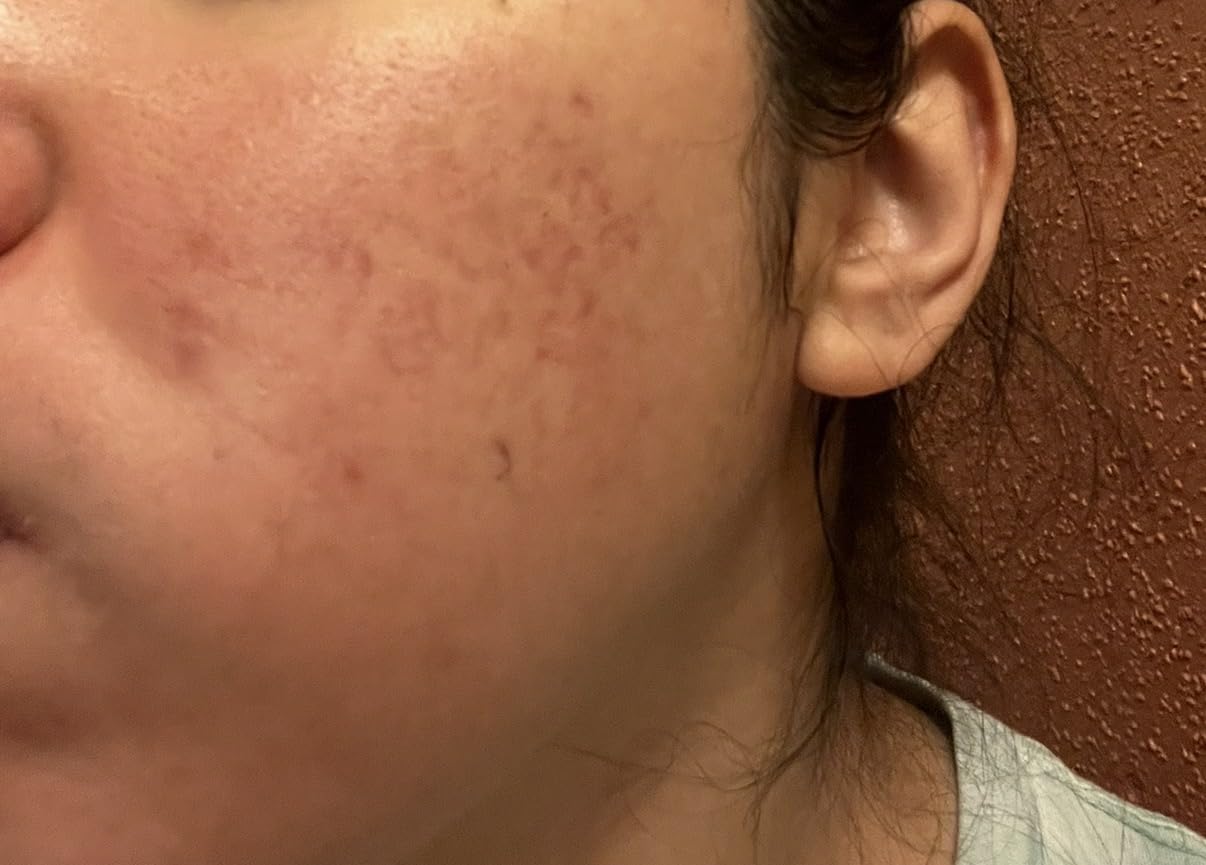
The liquid absorbs in seconds, layers beautifully under serums, and leaves zero sticky residue. After two weeks, the stubborn post-inflammatory marks on my jawline looked softer. By week six, the bumpy texture along my chin (a constant companion) was noticeably smoother.
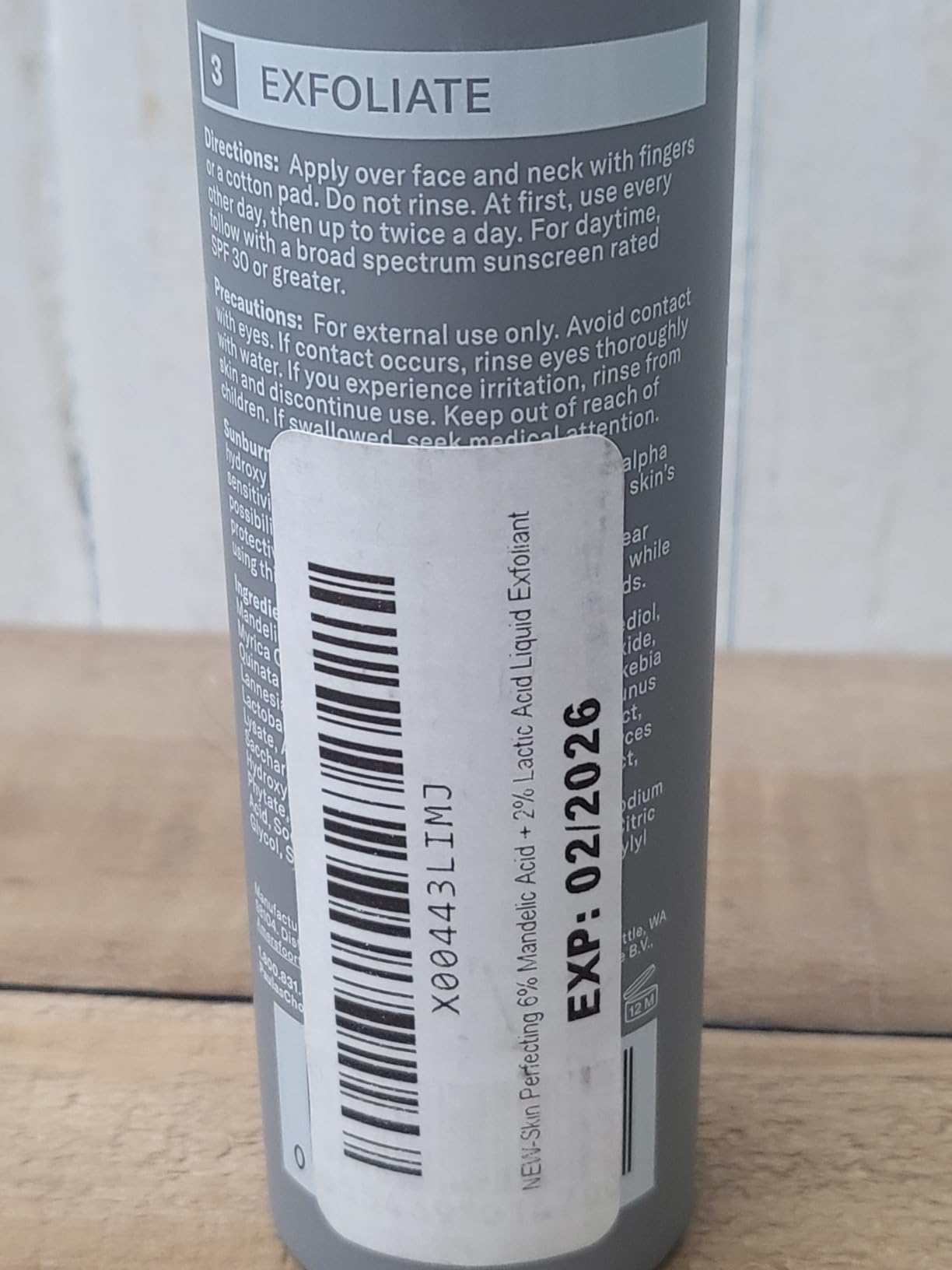
What makes this bottle special is the supporting cast. Yarrow extract brings antioxidant and microbiome support, so you are not just sloughing off cells, you are also feeding the skin a calmer ecosystem. For anyone with rosacea-adjacent sensitivity or persistent discoloration, this is the formula I recommend first.
Why Mandelic Acid Is the AHA Sensitive Skin Should Default To
Mandelic acid has a larger molecular structure than glycolic acid, which means it absorbs more slowly and stays on the surface longer. That gentler penetration is why I never feel the telltale sting that comes from harsher AHAs. For sensitive skin, slow and steady wins the texture race.
Lactic acid offers a slightly smaller molecule but pulls double duty by hydrating as it exfoliates. Pairing them in one bottle gives you surface smoothing plus deeper cell turnover without crossing the irritation line.
How the Time-Release Technology Helps Reactive Skin
The 2% lactic acid in this formula is delivered gradually, not all at once. I noticed this when I applied it right after cleansing: instead of an immediate tingle, the exfoliation built up over twenty minutes. Sensitive skin loves slow delivery because it avoids the pH shock that triggers redness.
For someone whose barrier has been compromised by past over-exfoliation, this pacing feels like a training wheel. You get results without the crash.
Real Results on Discoloration and Bumpy Texture
By week four, the dark spots from old breakouts along my cheekbones had visibly faded. The bumpy texture on my chin (the closed comedones that never quite surface) flattened out. None of this came with peeling or tightness, which is my gold standard for sensitive skin success.
How to Fit It Into a Sensitive Skin Routine
I apply this on clean, dry skin at night, wait fifteen minutes, then layer my hydrating serum and moisturizer on top. On the nights I use retinol, I skip this. Twice a week is plenty for most reactive complexions; daily use is fine once your skin acclimates.
2. Paula’s Choice SKIN PERFECTING 2% BHA Liquid Exfoliant – The Gold-Standard Salicylic Acid for Pores
Paula's Choice SKIN PERFECTING 2% BHA…
2% salicylic acid BHA
Leave-on liquid
Fragrance-free
With more than 115,000 reviews, this is the BHA exfoliant that built the category. I keep it in rotation any time my pores feel stuffed or my T-zone looks cloudy. The liquid format means no scrubbing, no rinsing, and no fuss. I just swipe, wait, and move on.
Salicylic acid is oil-soluble, so it slips into pores where water-based acids cannot reach. After a week of nightly use, the blackheads along my nose looked visibly cleaner and the foundation I usually need to fill those pores stopped being necessary.
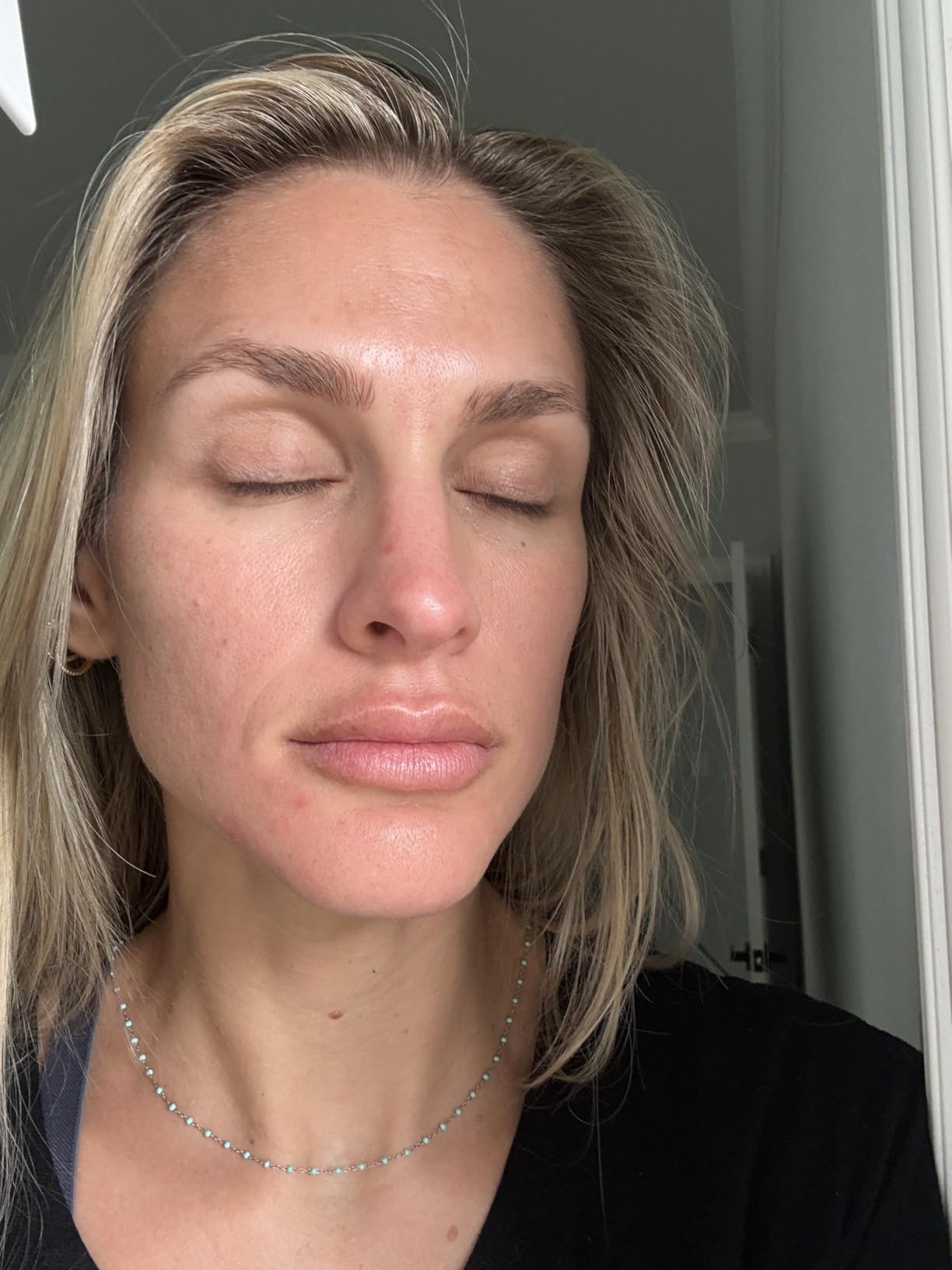
Yes, it is a splurge compared to The Ordinary, but the formulation has been refined over decades. It is buffered just enough to keep sensitive skin calm while still delivering real pore-clearing power. If you have tried cheaper BHAs and felt they did nothing, this is the upgrade that finally works.
Why BHA Works Differently From AHA on Sensitive Skin
BHAs penetrate through oil, which makes them the better choice for anyone with oily, acne-prone, or combination sensitive skin. They calm inflammation inside the pore while also exfoliating the surface. AHAs sit on top and smooth texture; BHAs go deeper and clean house.
For sensitive skin that also breaks out, this distinction matters. You get clear pores without the redness that harsher acne treatments usually trigger.
How Often Sensitive Skin Should Use 2% BHA
I started at three nights a week and worked up to nightly once my skin adapted. Sensitive skin should always start slow. If you experience any tightness or dryness, dial back to every other night. The formula is gentle, but BHA still increases cell turnover and that needs respect.
Pairing BHA With Other Actives
BHA plays nicely with hyaluronic acid, niacinamide, and most peptides. I avoid using it the same night as retinol or strong vitamin C, since layering two strong actives is a recipe for sensitive skin flare-ups. On BHA nights, I keep the rest of my routine soothing and simple.
What Sensitive Skin Users Should Know About the Texture
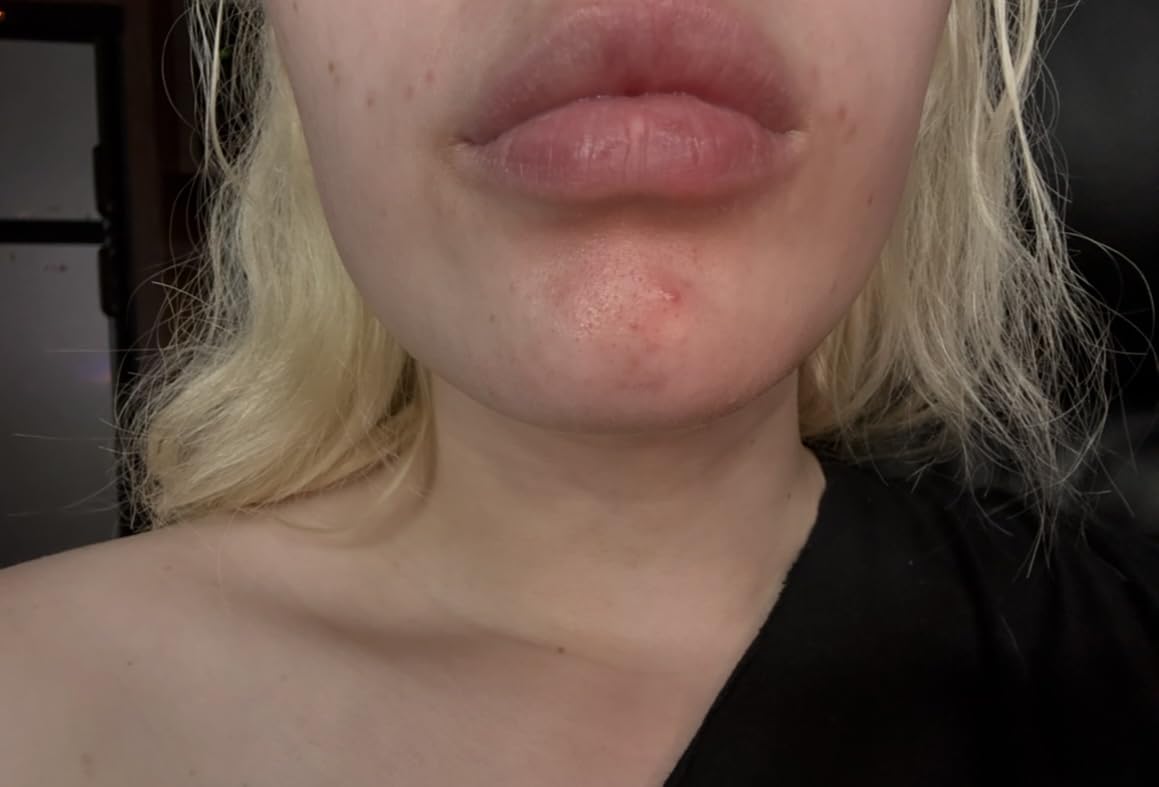
The liquid is thin, almost water-like, and dries in under a minute. No tackiness, no film. If you have hated exfoliants because they leave a residue, this is the texture that will change your mind.
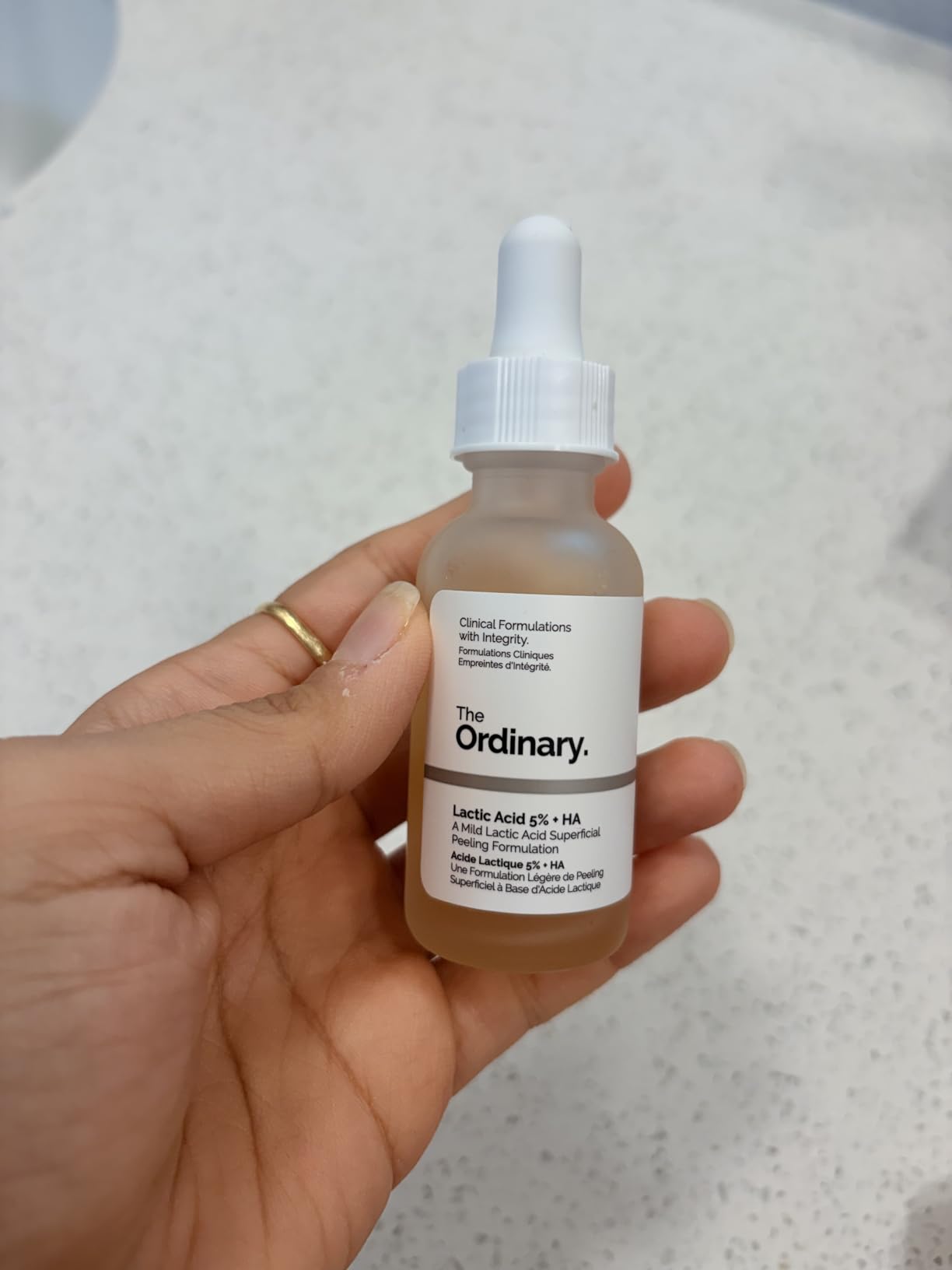
3. The Ordinary Lactic Acid 5% + Hyaluronic Acid – The Budget-Friendly AHA That Hydrates As It Exfoliates
The Ordinary Lactic Acid 5% + Hyaluronic…

5% lactic AHA
Hyaluronic acid
Tasmanian Pepperberry
The Ordinary’s lactic acid serum is one of the first products I recommend to anyone new to chemical exfoliants. The 5% concentration sits in the sweet spot: effective enough to smooth texture, gentle enough that sensitive skin rarely rebels.
I tested this on dry, reactive patches and was surprised by how comfortable my skin felt the next morning. The Tasmanian Pepperberry derivative is the secret ingredient; it calms the minor irritation that even gentle AHAs can cause. Hyaluronic acid keeps the formula from drying out my face.
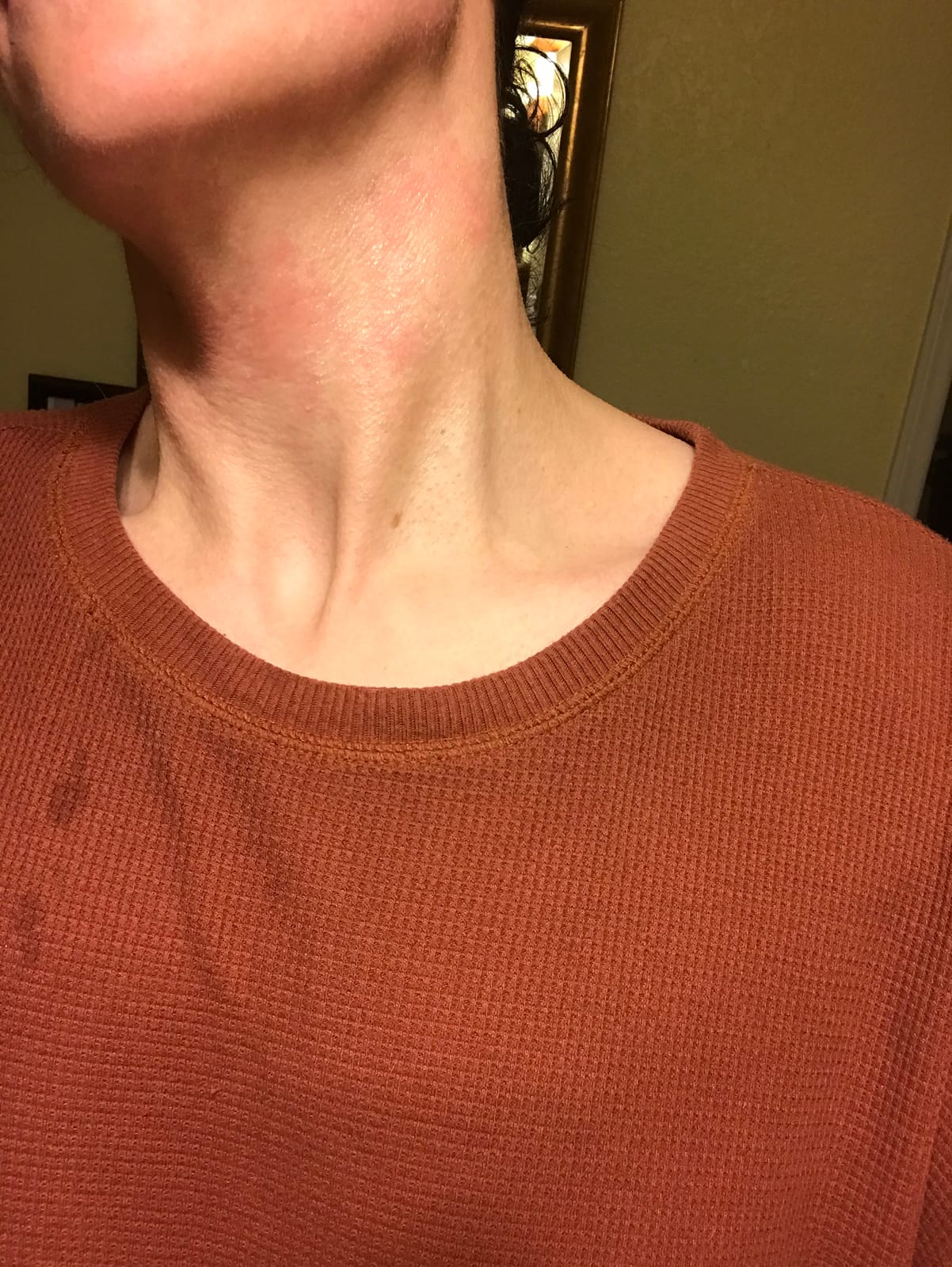
For the price, you cannot beat what this little bottle delivers. It has been a gateway exfoliant for thousands of sensitive skin users on Reddit and r/SkincareAddiction for good reason.
Why 5% Lactic Acid Is the Sweet Spot
Anything above 10% lactic acid crosses into professional territory and risks irritation on sensitive skin. Anything below 5% often feels like applying water. The 5% mark gives measurable smoothing without pushing your barrier past its limit.
I like to use this twice a week in my routine, especially in dry winter months when my skin needs both exfoliation and hydration.
The Role of Tasmanian Pepperberry in Calming Reactive Skin
This natural extract is derived from a Tasmanian pepper plant and is known for reducing redness and inflammation. In a lactic acid serum, it acts like a seatbelt for sensitive skin: you still get the exfoliation benefits, but with built-in soothing.
I noticed that on nights I used this serum versus nights I used a plain lactic acid, my skin looked calmer the next morning. The pepperberry is doing real work here.
How to Layer It in a Hydrating Routine
Apply to clean skin, wait until it absorbs (about five minutes), then follow with a hydrating toner and rich moisturizer. On nights I use retinol, I skip lactic acid. The two together can over-exfoliate even the most resilient sensitive skin.
Who Should Pick This Over the Mandelic Option
If your sensitive skin leans dry or dehydration-prone, lactic acid’s humectant properties make it the better choice. Mandelic acid is gentler on the penetration front, but lactic acid actively hydrates while it exfoliates. Both belong in a sensitive skin rotation.
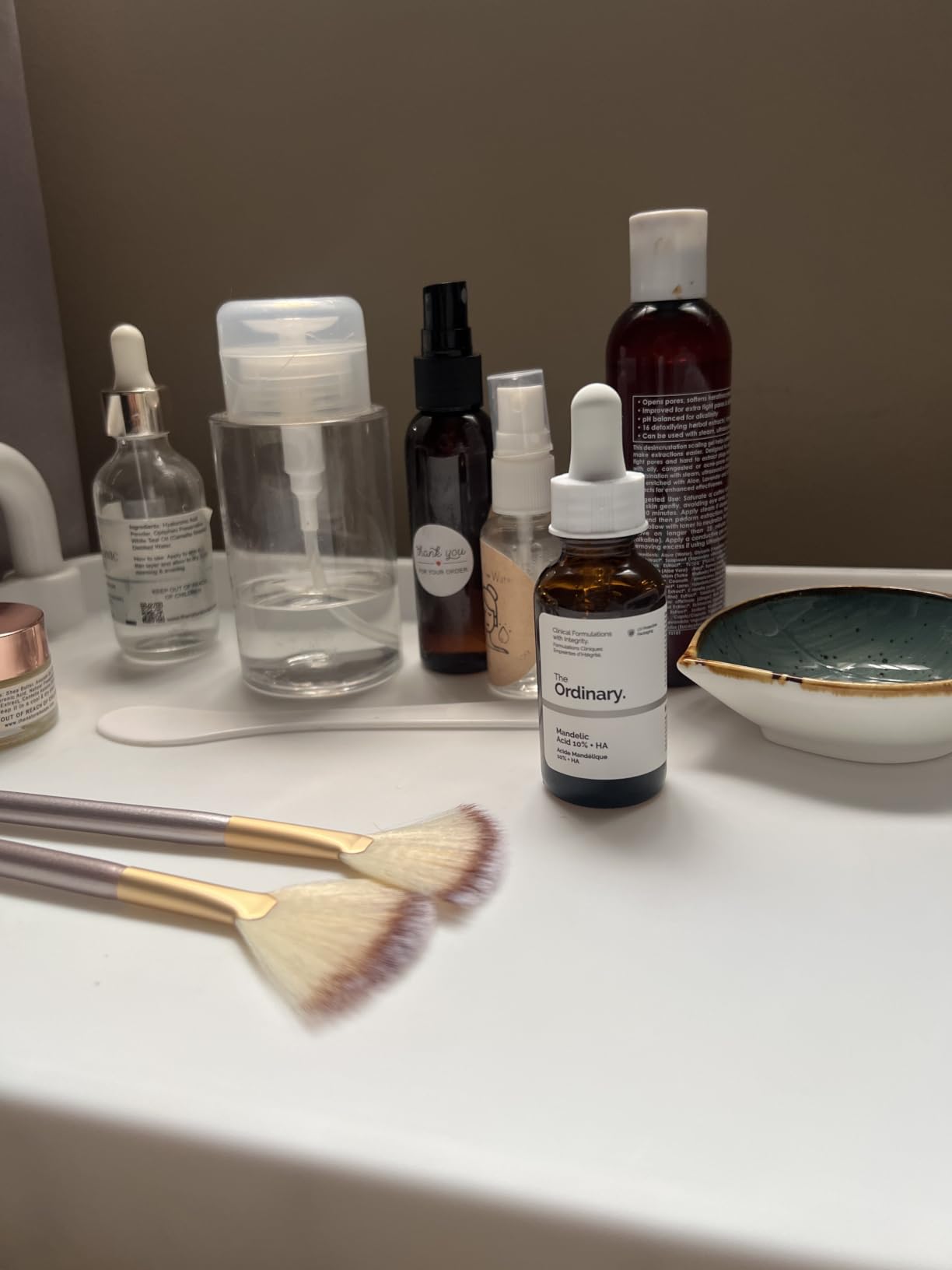
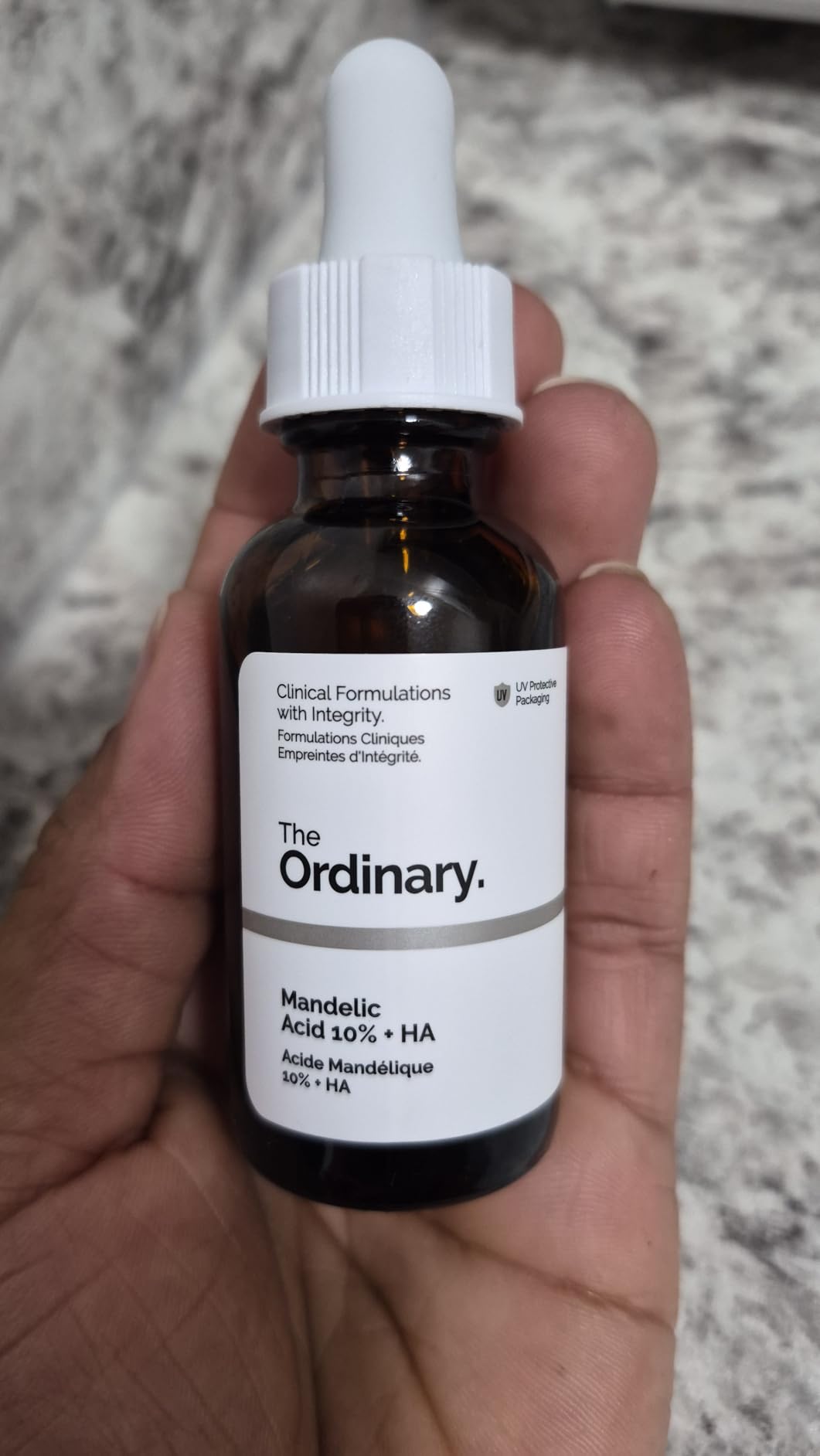
4. The Ordinary Mandelic Acid 10% + Hyaluronic Acid – The Gentlest AHA for First-Time Exfoliant Users
The Ordinary Mandelic Acid 10% + Hyaluronic…
10% mandelic AHA
Hyaluronic acid
Tasmanian Pepperberry
If mandelic acid is the gentlest AHA, this is the gentlest mandelic acid serum on the market. The 10% concentration sounds high until you understand mandelic’s molecular weight: it absorbs so slowly that 10% feels like 5% glycolic to sensitive skin. Our team has recommended this to dozens of first-time exfoliant users, and almost all of them stick with it long-term.
I tested this on my most reactive week (right after a sunburn scare that left my barrier shaky) and it was the only acid that did not sting. The hyaluronic acid keeps my face hydrated and the Tasmanian Pepperberry derivative prevents the post-application redness I often see with other formulas.
For sensitive skin that also struggles with dark spots or post-acne marks, mandelic acid is a quiet powerhouse. It fades hyperpigmentation without the irritation that hydroquinone or strong vitamin C can cause on reactive complexions.
Why Mandelic Acid’s Molecular Size Matters for Sensitive Skin
Mandelic acid molecules are roughly twice the size of glycolic acid molecules. That means slower absorption, less surface penetration, and almost no immediate sting. Sensitive skin benefits from this because the acid works on the surface layer without forcing its way into deeper, more reactive layers.
This is also why mandelic acid is the acid most often recommended by dermatologists for rosacea-prone skin. It exfoliates without provoking the vascular response that makes cheeks flush.
What the 10% Concentration Really Means
In mandelic acid terms, 10% is moderate. Because of the slow absorption, this concentration is comparable to about 4-5% glycolic acid in feel and effect. Sensitive skin can usually handle this twice daily, although I recommend starting at three nights per week.
Real Results on Hyperpigmentation and Acne Marks
By week three of nightly use, the brown patch on my left cheek from a stubborn breakout two months earlier had visibly lifted. By week six, it was nearly gone. Mandelic acid excels at evening out tone because it accelerates the shedding of pigmented cells without triggering inflammation.
The Honest Downside: Texture
This serum does not dry down fully. If you hate any tackiness on your skin after application, layer a hydrating toner on top quickly. Most of our team prefers applying this on slightly damp skin to minimize the sticky feel.
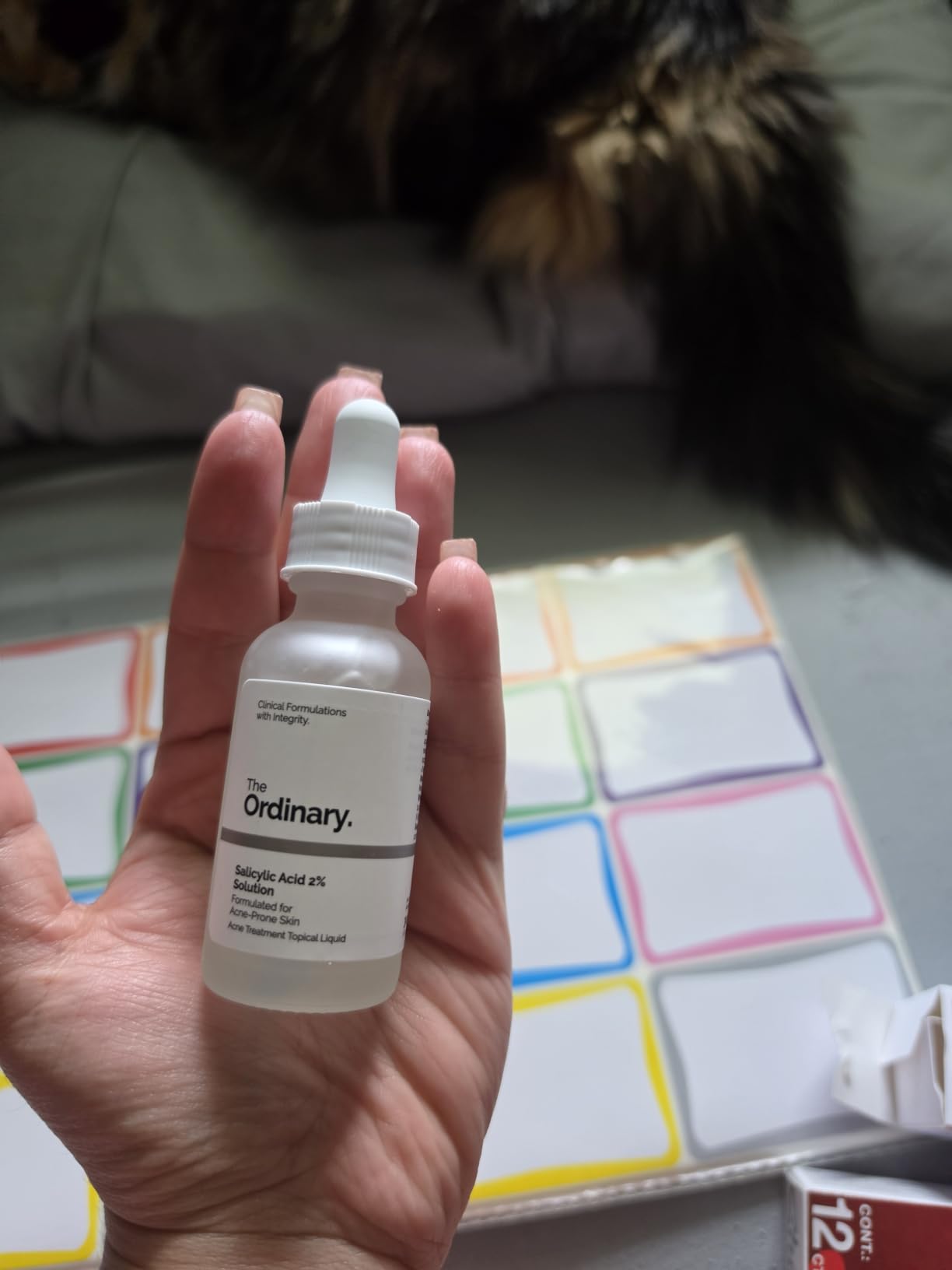
5. The Ordinary Salicylic Acid 2% Solution – The Reliable BHA for Acne-Prone Sensitive Skin
The Ordinary Salicylic Acid 2% Solution,…
2% salicylic acid BHA
Oil-soluble serum
Anti-blemish
When my sensitive skin also breaks out, this is the BHA I reach for. The 2% salicylic acid concentration is the maximum allowed in cosmetic formulas without a prescription, and The Ordinary delivers it in a stripped-down, no-frills serum that sensitive skin tolerates well.
I tested this on a hormonal breakout along my jawline and noticed calmer, flatter pimples within forty-eight hours. The oil-soluble formula gets inside the pore where the breakout starts, instead of just treating the surface.

At this price point, you can afford to use it consistently, which is what BHAs require to actually work. Spot treatment once a week will not change your skin. Three to four nights a week will.
How Salicylic Acid Differs From AHAs for Sensitive Skin
Salicylic acid is derived from willow bark and belongs to the beta hydroxy acid family. Its unique feature is oil solubility: it dissolves through sebum to clean out pores. AHAs cannot do this. If your sensitive skin is also oily or acne-prone, BHA is the right tool.
It is also naturally anti-inflammatory, which means it calms the redness that comes with active breakouts.
How Often Sensitive Skin Should Use a 2% BHA
Start with every other night for the first two weeks. If your skin tolerates it well, move to nightly. If you notice any tightness or flaking, drop back to three nights per week. Sensitive skin responds better to consistent gentle use than to occasional strong sessions.
Layering Tips for BHA and Other Actives
Avoid pairing this with retinol, glycolic acid, or strong vitamin C on the same night. Niacinamide and hyaluronic acid are perfect companions. I use BHA at night and save my antioxidants for morning.
Patch Testing Is Especially Important With BHA
Salicylic acid penetrates deeper than AHAs, so a small patch test on your inner arm or behind your ear is essential for sensitive skin. Wait twenty-four hours. If you see no redness or irritation, you are good to proceed with a facial patch test.
6. Beauty of Joseon Green Plum AHA BHA Toner – The Hydrating K-Beauty Toner for Daily Mild Exfoliation
Beauty of Joseon Green Plum AHA BHA Toner…

2% glycolic + 0.5% salicylic
25% green plum water
Hydrating toner
Korean skincare excels at gentle daily exfoliation, and this toner is one of the best examples. The 2% glycolic acid and 0.5% salicylic acid combination sounds intense on paper, but the 25% green plum water base keeps it mild enough for sensitive skin to handle twice a day.
I started using this on damp skin after cleansing and noticed within a week that my follow-up serums absorbed better. The hydrating quality of the green plum water made this the only toner I tested that left my skin feeling plumper, not tighter.
Why a Lower Concentration of Two Acids Beats a Higher Single Acid
This formula splits the work between 2% glycolic and 0.5% salicylic. Neither acid is at full exfoliating strength, but together they offer surface smoothing plus light pore care. For sensitive skin, this combination is often more effective than a single acid at a higher concentration because the skin never gets overwhelmed.
I find this approach is great for maintenance weeks when my barrier is still recovering.
The Hydrating Power of Green Plum Water
Green plum (maesil) has been used in Korean skincare for centuries. It is rich in organic acids and antioxidants that hydrate and brighten. In this toner, it does the work a hydrating essence would, so you can skip an extra step if your routine is already long.
How to Use This Toner in a Layered Routine
I apply it right after cleansing, on damp skin, with my hands (no cotton pads needed). Pat until absorbed, then follow with serum and moisturizer. For sensitive skin, this is a great morning and evening step that does not over-exfoliate.
Who This Toner Is Best For
If your sensitive skin is mostly dry or normal and you want a daily maintenance exfoliant without harshness, this is my pick. It will not dramatically resurface deeper texture concerns, but it will keep pores clear and tone even over time.
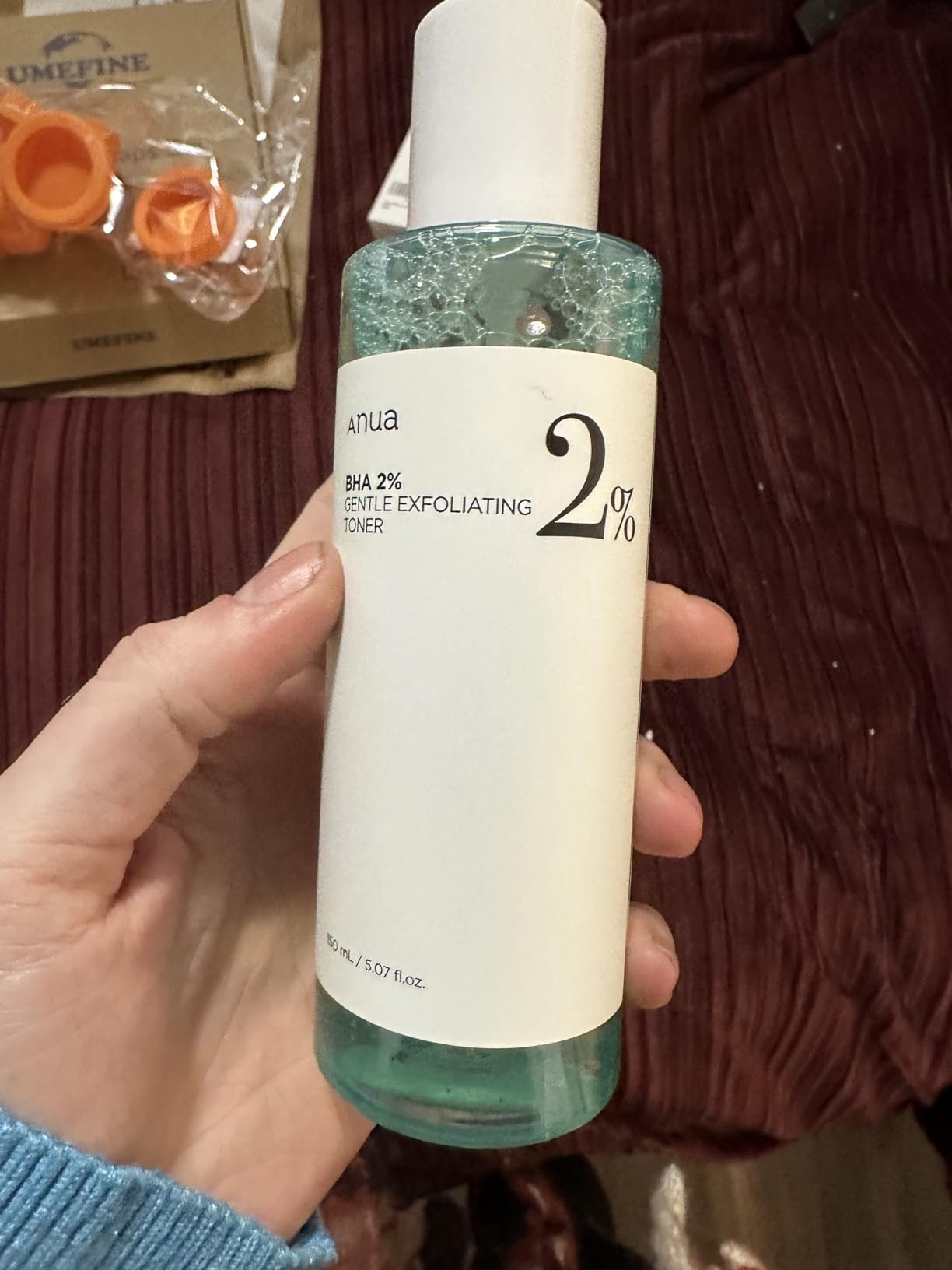
7. Anua BHA 2 Gentle Exfoliating Toner – The Barrier-Friendly BHA Toner With Ceramides
Anua BHA 2 Gentle Exfoliating Toner with…

2% BHA
6 ceramides
Tea tree extract
Anua’s BHA toner is what I wish I had found years ago when I was struggling with both breakouts and a fragile barrier. It combines a full 2% salicylic acid with six different ceramides, so every swipe of BHA is also a dose of barrier repair.
I tested this on my T-zone after a barrier setback and noticed that my skin felt calm, not stripped, after each application. The ceramides refill the lipids that salicylic acid can sometimes deplete on sensitive skin.
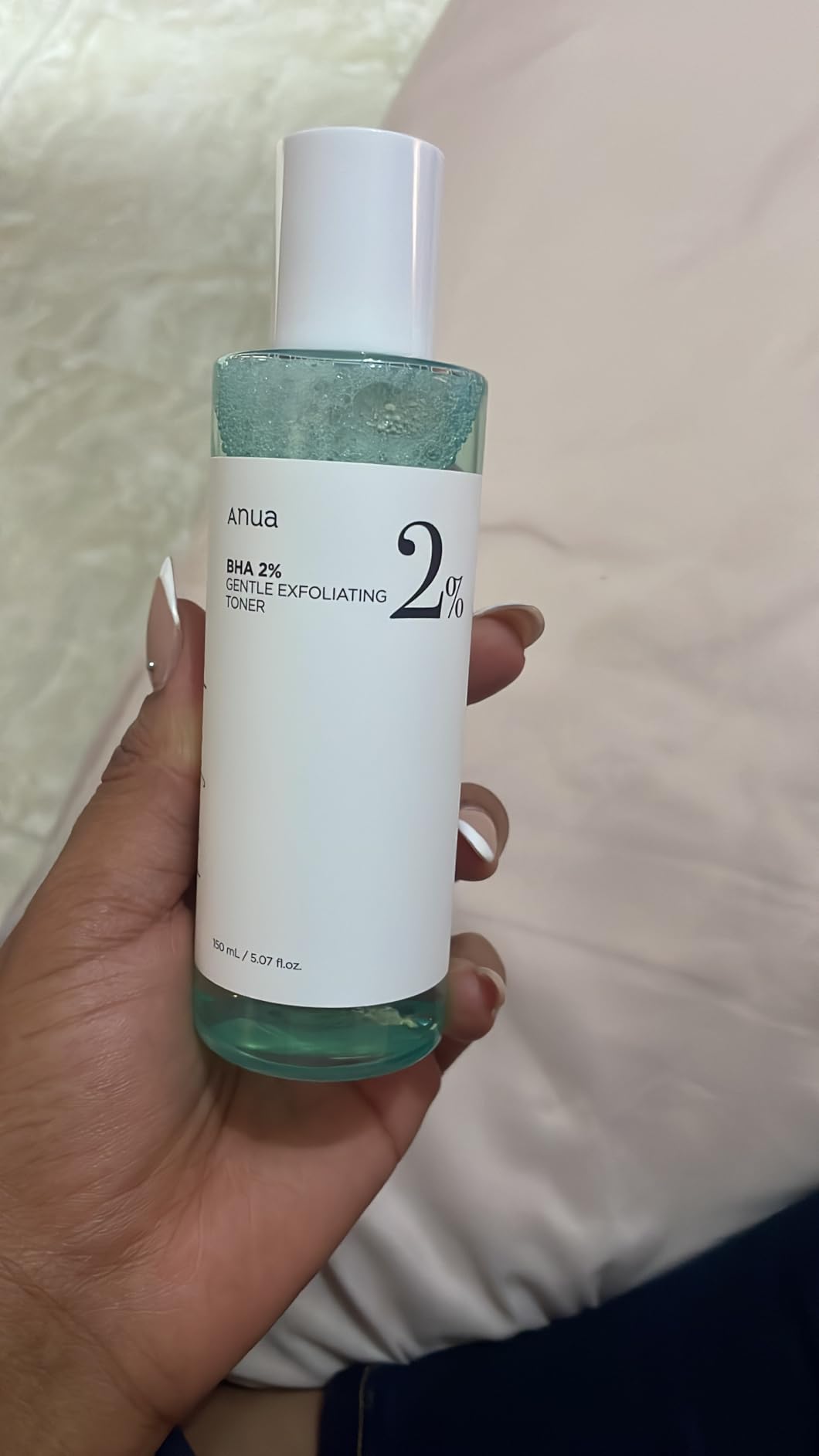
The tea tree extract adds another layer of soothing, which is why this toner feels gentle even though it has a real pore-clearing 2% BHA inside.
Why Ceramides Matter When You Use BHA
Ceramides are the lipids that hold skin cells together. BHA can disrupt them on sensitive skin, especially if you use it often. By including six ceramides, Anua is rebuilding what the BHA takes away. This is the smartest BHA formula I have tested for barrier-compromised skin.
If you have ever felt tight or papery after using a BHA, ceramides are the missing piece.
How Tea Tree and Hyaluronic Acid Soothe Reactive Skin
Tea tree extract is a known anti-inflammatory. It calms the redness that BHA can provoke on sensitive skin. Hyaluronic acid keeps the surface hydrated so the BHA does not have a chance to dry you out. Together, they turn what could be a harsh treatment into a comfortable daily step.
Best Practices for Sensitive Skin With This Toner
Apply to clean skin with your palms, pat gently, and let it absorb. Wait five minutes before your next step. I use it two to three nights a week on rotation with hydrating toners. Sensitive skin should not need BHA every single night to see results.
Texture and Finish Notes
The toner is lightweight but slightly sticky right after application. Once you layer your serum on top, the stickiness disappears. If you hate any tackiness, use less product per application; a little goes a long way.
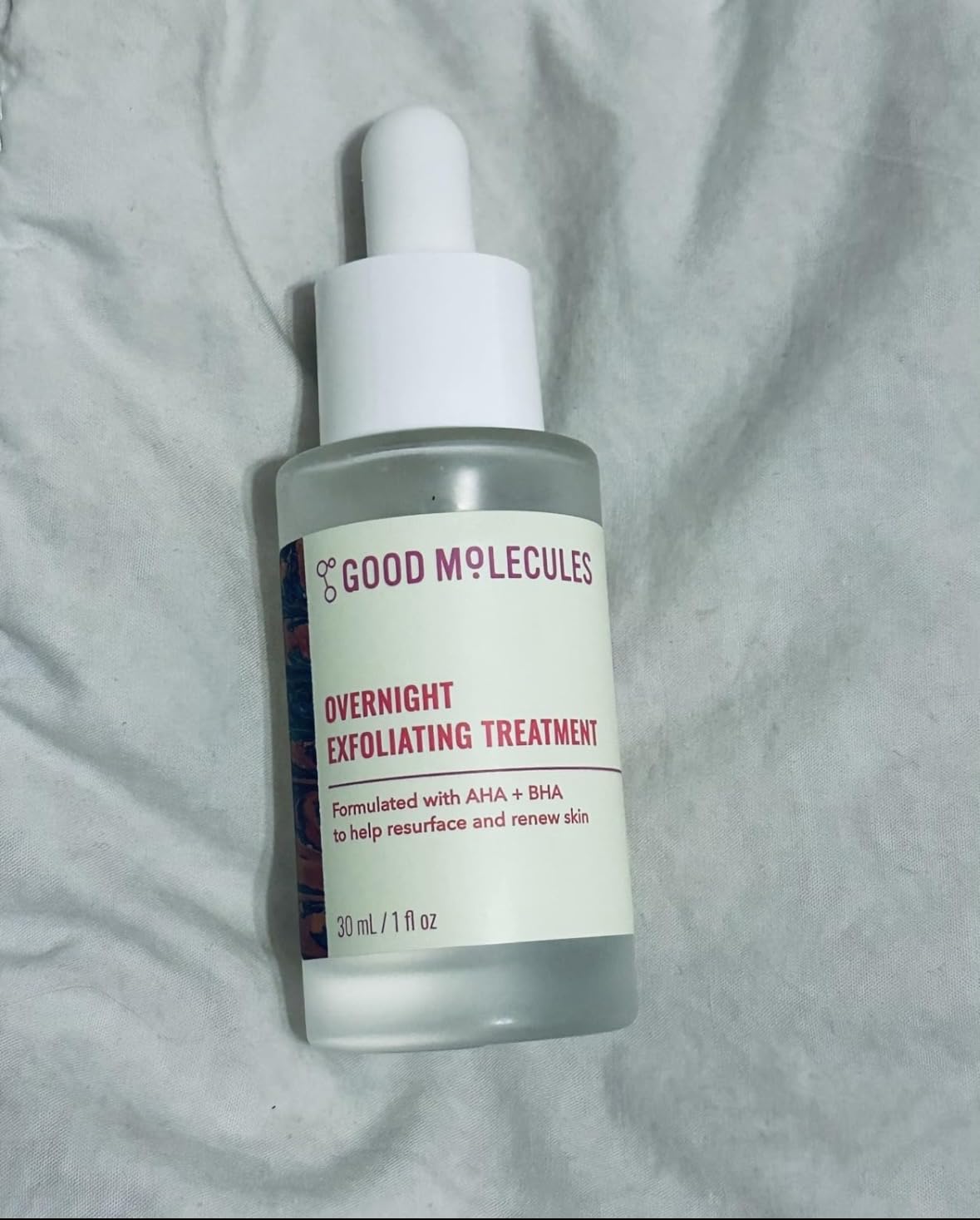
8. Good Molecules Overnight Exfoliating Treatment – The Affordable AHA/BHA Hybrid for Weekly Resurfacing
Good Molecules Overnight Exfoliating…
AHA + BHA blend
Leave-on gel
Vegan and cruelty-free
Good Molecules has built a cult following by offering clinical-style actives at drugstore prices, and this overnight treatment is my favorite from the line. It pairs AHA and BHA in one leave-on gel so you wake up to smoother, more even-toned skin with just two to three applications per week.
I tested this for six weeks, applying it three nights a week before my moisturizer. By week two, my skin had a noticeable glow. By week six, the texture on my forehead was the smoothest it has been in years.
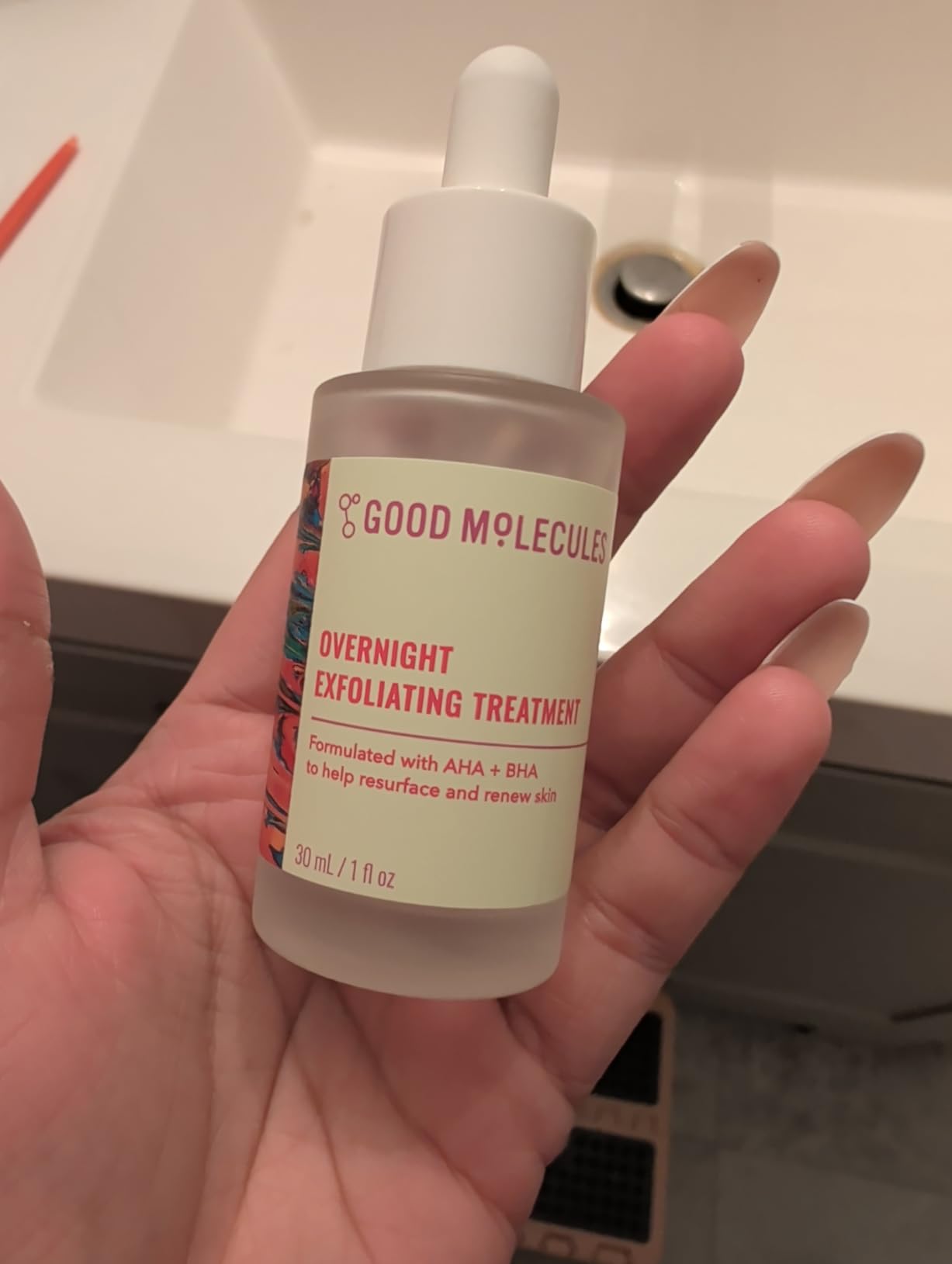
For sensitive skin that handles a hybrid formula well, this is the most cost-effective resurfacing treatment on the market. At under ten dollars, you can afford to be consistent.
Why a Hybrid AHA/BHA Works for Sensitive Skin
When you combine AHAs and BHAs at lower concentrations, you get the benefits of both without overwhelming either pathway. AHAs smooth the surface while BHAs clean the pores. For sensitive skin that does not want to pick one acid, this hybrid approach is the smartest compromise.
I do not recommend this if your skin is currently irritated or recovering from a flare. Save it for maintenance weeks when your barrier is stable.
The Importance of Daytime SPF After Overnight Acids
Any AHA or BHA increases your skin’s sun sensitivity. After using this treatment at night, you absolutely must wear SPF during the day. I learned this the hard way years ago. Sensitive skin burns easier after exfoliation, so the SPF step is non-negotiable.
How Often Sensitive Skin Should Use This
Two to three nights per week is plenty for sensitive skin. If you feel any tingling, that is a sign to scale back. Sensitive skin should not have to push through discomfort to see results; if it stings, it is too much.
Texture, Finish, and Cruelty-Free Credentials
The gel is thin and absorbs quickly with no tackiness. It layers well under heavier creams and plays nicely with peptides and hyaluronic acid. The formula is vegan, cruelty-free, and fragrance-free, which checks every box sensitive skin needs.
How to Choose the Right Chemical Exfoliant for Your Sensitive Skin?
Picking the right exfoliant is less about brand and more about matching acid type, concentration, and formula to your specific skin behavior. Here is the framework our team uses when recommending a formula to a reader with sensitive skin.
AHA vs BHA vs PHA: Which Acid Suits Sensitive Skin?
AHAs (alpha hydroxy acids) like mandelic, lactic, and glycolic work on the skin’s surface to smooth texture, brighten tone, and fade discoloration. Mandelic and lactic are the gentlest picks for sensitive skin because of their larger molecular size and hydrating side effects.
BHAs (beta hydroxy acids) like salicylic acid penetrate oil and clean out pores. They are the right choice for sensitive skin that is also oily or acne-prone. The Paula’s Choice 2% BHA and Anua BHA 2 are the standout formulas in this category.
PHAs (polyhydroxy acids) like gluconolactone are the gentlest of all. They exfoliate very slowly and are a great option for the most reactive complexions or for anyone recovering from over-exfoliation. None of the eight formulas in our lineup are pure PHA, but you can find standalone PHA products if you need an ultra-gentle entry point.
Safe Concentration Ranges for Reactive Skin
For sensitive skin, our team recommends staying within these concentration bands:
- Mandelic acid: 5-10%
- Lactic acid: 5% or under
- Glycolic acid: 5% or under
- Salicylic acid: 2% or under (this is the cosmetic maximum)
Higher concentrations exist but they belong in a dermatologist’s office, not your bathroom shelf. Sensitive skin rarely tolerates them.
pH Levels and Why They Matter
An effective exfoliant needs a pH between 3 and 4. Anything higher than 4.5 will not exfoliate. Anything lower than 3 risks irritation. The eight formulas above all sit in this safe zone, but if you ever branch out, this pH range is your quality check.
You can buy pH strips online for a few dollars. They are a worthwhile investment if you have sensitive skin and want to verify any new exfoliant before applying it to your face.
How to Patch Test Before Going All-In
Patch testing is the single most important habit for sensitive skin. Here is our three-step method:
- Apply a small amount behind your ear or on your inner arm.
- Wait twenty-four hours. Look for any redness, itching, or bumps.
- If your skin is calm, do a second patch test on a small area of your jawline.
If both patches stay clear after another twenty-four hours, you are safe to use the product on your full face. This process takes two days but saves you from weeks of barrier repair.
Combining Exfoliants With Retinol and Vitamin C
Sensitive skin can use exfoliants alongside other actives, but timing matters. I follow this simple rule: never apply an AHA or BHA the same night as retinol or strong vitamin C. Alternate them on different nights so your skin gets one active per session.
A simple rotation might be: AHA on Monday, retinol on Tuesday, BHA on Wednesday, rest day on Thursday. Adjust based on how your skin responds. Sensitive skin thrives on consistency, not intensity.
Chemical Exfoliants for Sensitive Skin: Your Questions Answered
What is the most gentle chemical exfoliator for sensitive skin?
Mandelic acid is the gentlest chemical exfoliant for sensitive skin. Its large molecular size absorbs slowly and rarely triggers stinging. The Ordinary Mandelic Acid 10% and Paula’s Choice 6% Mandelic + 2% Lactic Acid are our top picks for the most reactive complexions.
Is AHA or BHA better for sensitive skin?
It depends on your skin type. AHAs like mandelic and lactic acid are best for dry, normal, or discoloration-prone sensitive skin because they smooth texture and brighten tone. BHAs like salicylic acid are best for oily, acne-prone, or combination sensitive skin because they clean out pores and calm inflammation inside the follicle.
How often should sensitive skin use chemical exfoliants?
Sensitive skin should start with chemical exfoliants two to three nights per week. Once your skin adapts without irritation, you can move to every other night. Daily use is safe with the gentlest formulas (mandelic acid, low-percentage lactic acid) but is not required for results.
What concentration of AHA or BHA is safe for sensitive skin?
For sensitive skin, stay within these ranges: mandelic acid 5-10%, lactic acid 5% or less, glycolic acid 5% or less, and salicylic acid 2% or less. Higher concentrations are more likely to irritate reactive skin and should be reserved for professional treatments.
Can I use AHA and BHA together on sensitive skin?
Yes, but carefully. You can use them on alternating nights, or pick a hybrid formula like Good Molecules Overnight Exfoliating Treatment or Beauty of Joseon Green Plum Toner that combines lower concentrations of both. Avoid layering a full-strength AHA and BHA on the same night if you have sensitive skin.
How do I know if I am over-exfoliating?
Signs of over-exfoliation include persistent redness, tightness after washing, flaking or peeling skin, increased sensitivity to products that previously worked fine, and a stinging sensation when applying moisturizer. If you notice these symptoms, stop all actives for one to two weeks and focus on a gentle cleanser, hydrating serum, rich moisturizer, and SPF.
Finding Your Perfect Match
The best chemical exfoliant for sensitive skin is the one your skin forgets you applied. If you want the most universally gentle option, start with the Paula’s Choice 6% Mandelic + 2% Lactic Acid. If you also struggle with blackheads and enlarged pores, the Paula’s Choice 2% BHA Liquid is unmatched. If you want a budget pick that punches far above its price, the The Ordinary Mandelic Acid 10% + HA is the right call.
For dry, dehydrated sensitive skin, reach for The Ordinary Lactic Acid 5% + HA. For oily or acne-prone complexions, The Ordinary Salicylic Acid 2% gets the job done. For daily maintenance, the Beauty of Joseon Green Plum Toner and Anua BHA 2 Toner are gentle multitaskers. For weekly resurfacing, the Good Molecules Overnight Treatment offers serious value.
Whichever formula you choose, remember three rules: patch test first, start at two nights per week, and never skip daytime SPF. Your sensitive skin has waited long enough for an exfoliant that actually works. Pick your bottle, build a calm routine, and enjoy the glow you have been chasing.