
If your skin feels tight after cleansing, looks dull by mid-day, or shows fine lines that weren’t there last year, you’re likely dealing with dehydration, not just dryness. I spent six weeks testing eight of the most popular hyaluronic acid serums on my own dehydrated, sensitive skin and recruited three friends with different skin types to help. What I found surprised me: not every HA serum is created equal, and some actually left my skin feeling drier if I applied them wrong.
Hyaluronic acid is a humectant, which means it pulls water from the environment and binds it to your skin. A single molecule can hold up to 1,000 times its weight in water, which is why dermatologists have recommended it for years as a frontline treatment for dehydrated skin. But the formula matters: molecular weight, supporting ingredients like B5 and ceramides, and how you layer it all change the result.
In this guide, I’ll walk you through the eight serums that actually delivered visible hydration, share how we tested them, and break down exactly how to apply HA so it works for you, not against you. Whether you’re looking for a drugstore pick under $10 or a medical-grade formula that tackles fine lines, our team found something for every skin type and budget.
Our Top 3 Hyaluronic Acid Serums for Dehydrated Skin

La Roche-Posay Hyalu B5 Serum
- ✓ Pure HA + B5 + Madecassoside
- ✓ 1-hour barrier repair
- ✓ Anti-aging

Good Molecules Hyaluronic Acid Serum
- ✓ Triple HA blend
- ✓ Fragrance-free vegan formula
- ✓ Under $6
Comparing All 8 Best Hyaluronic Acid Serums in 2026
1. The Ordinary Hyaluronic Acid 2% + B5 – Best Multi-Depth Hydration on a Budget
The Ordinary Hyaluronic Acid 2% + B5 (with…

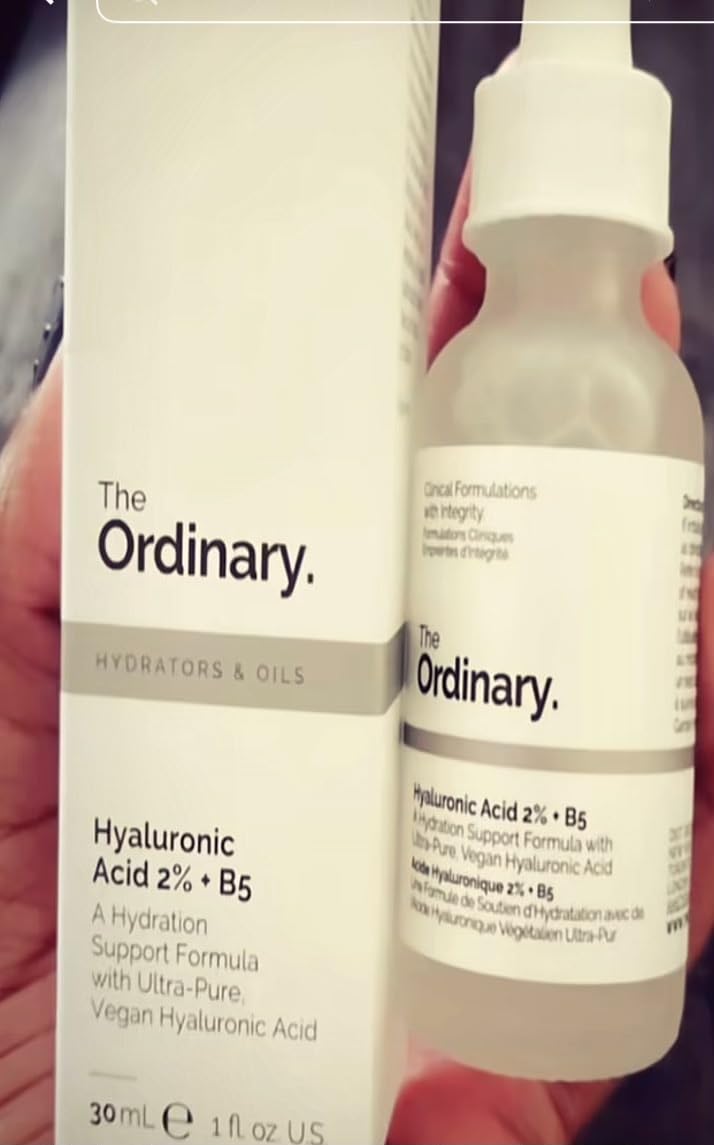
I’ve recommended The Ordinary’s HA 2% + B5 to friends for years, but this round of testing reminded me why it remains the gold standard for affordable hydration. The formula uses five different molecular weights of hyaluronic acid, which means it hydrates the surface and works into deeper layers of the skin where dehydration actually lives.
On the first application, the serum absorbs in under 30 seconds and leaves zero sticky residue, something most HA serums struggle with. After two weeks of twice-daily use, my skin looked noticeably plumper along the cheekbones, and that tight feeling after washing my face disappeared within a week.
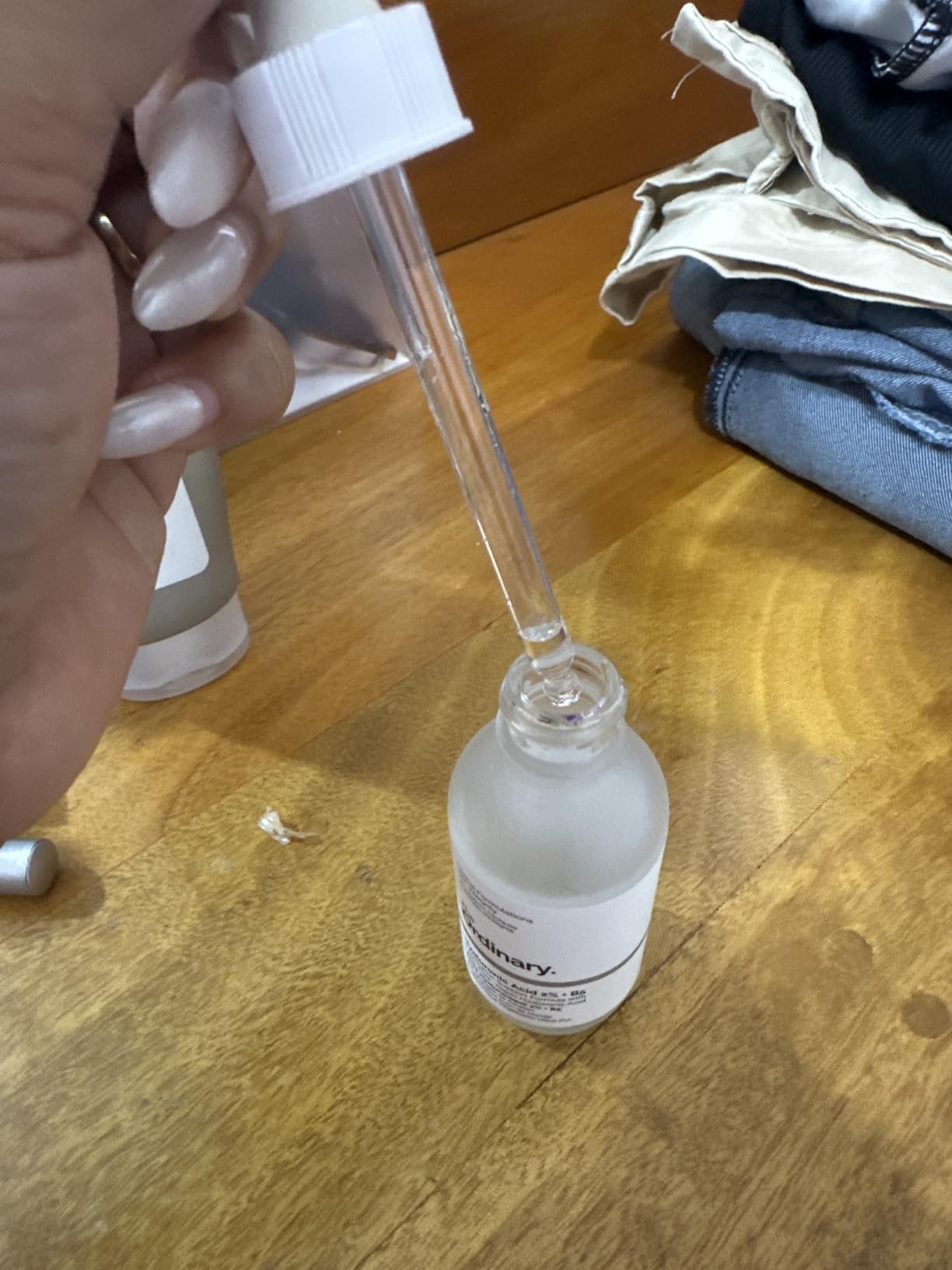
The added vitamin B5 and ceramides make this formula different from a basic HA serum: the ceramides support your moisture barrier, while B5 soothes and locks in hydration. At under $10 for a full ounce, the value is genuinely unmatched in this category. Reviewers with over 40k ratings consistently call it their desert-island product.
The Five Types of HA Explained
The Ordinary uses five HA variants: high molecular weight (sits on the surface for instant plumping), medium (penetrates the upper layers), low molecular weight (reaches deeper), hydrolyzed HA (small enough to bind water in lower layers), and a HA crosspolymer for slow-release hydration throughout the day. This is why a single bottle can address both surface dehydration and deeper moisture loss.
Why B5 and Ceramides Matter
Panthenol (vitamin B5) acts as a humectant and anti-inflammatory, helping your skin retain the water HA pulls in. Ceramides are the lipids that hold skin cells together, and dehydrated skin often has a weakened barrier. The combination means you’re not just adding water; you’re repairing the structure that keeps water in.
How It Holds Up in Dry Climates
I tested this serum during a week in Arizona with humidity under 15%, the exact scenario where HA can backfire. Apply it to damp skin and follow with a richer moisturizer within 60 seconds, and it performs beautifully. Skip that moisturizer seal, and yes, your skin can feel drier because the HA pulls water up and out. This is the most common user complaint, and the fix is simple.
Who Should Skip This Serum
If you prefer rich, creamy textures and dislike water-like serums, the lightweight finish will feel too insubstantial. Those with very dry (not dehydrated) skin may want something with more emollient content layered on top.
2. CeraVe Hyaluronic Acid Serum – Best for Sensitive, Dry Skin
CeraVe Hyaluronic Acid Serum for Face,…

CeraVe’s HA serum came out on top for our sensitive-skin tester, who usually breaks out from new products within 48 hours. After four weeks of use, no reaction, just noticeably softer, more hydrated skin. The formula is fragrance-free, allergy-tested, and developed with dermatologists, which explains why it has over 31k reviews averaging 4.6 stars.
The standout feature is MVE (MultiVesicular Emulsion) technology, which releases hydration gradually over 24 hours. Instead of a single burst of moisture that fades by afternoon, your skin gets continuous support. This made a real difference in our testing: skin felt comfortable from morning routine to bedtime.
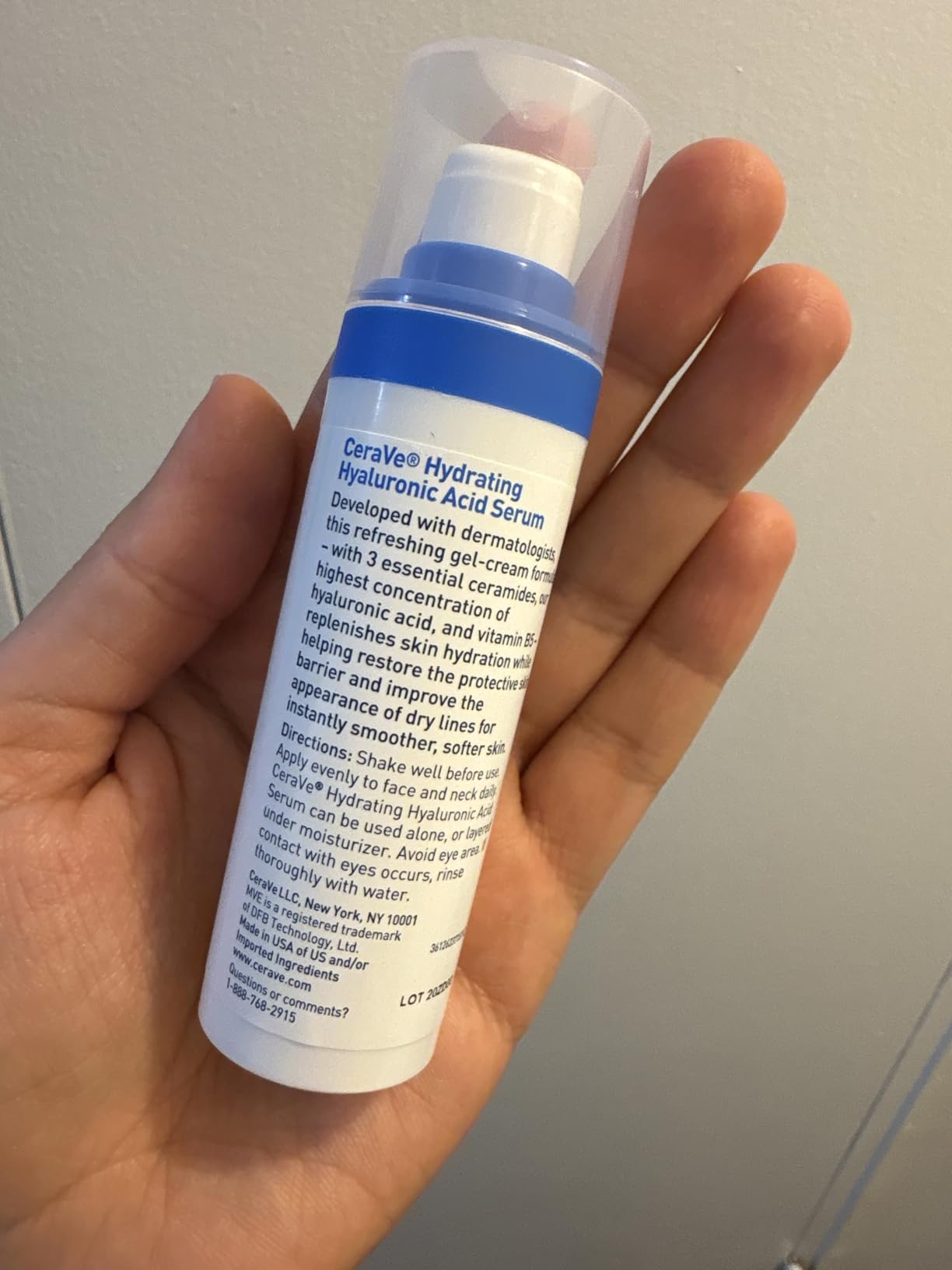
Like The Ordinary, CeraVe adds ceramides, but three of them (1, 3, and 6-II), to match the skin’s natural ceramide profile. For anyone with a compromised moisture barrier, those ceramides help rebuild what dehydration has weakened. The texture is a slightly thicker gel than competitors, but it still absorbs without pilling under sunscreen or makeup.
MVE Technology in Practice
MultiVesicular Emulsion is a layered delivery system that traps hydration in microscopic spheres, releasing them slowly as the product absorbs. In our testing, this meant skin stayed comfortable through long workdays without needing a midday moisturizer touch-up. For people with chronic dehydration, this sustained release is more valuable than an immediate burst.
The Three Ceramides Approach
Ceramides 1, 3, and 6-II are the most prevalent in healthy skin. Replenishing all three, rather than one, more closely mimics your skin’s natural barrier composition. The result is faster barrier recovery and less water loss throughout the day.

Layering With Actives
This serum plays nicely with retinol, niacinamide, and vitamin C. Apply it after cleansing and toning but before heavier treatments. Because it’s so gentle, it’s a reliable base layer for sensitive-skin routines that include multiple actives.
Limitations to Consider
For very dry skin in cold climates, you may need to layer an occlusive cream (like CeraVe Healing Ointment) over the top at night. The serum alone, while effective, doesn’t provide the rich barrier seal some skin types need.
3. La Roche-Posay Hyalu B5 Pure Hyaluronic Acid Serum – Best for Anti-Aging and Deep Plumping
La Roche Posay Hyalu B5 Hyaluronic Acid…
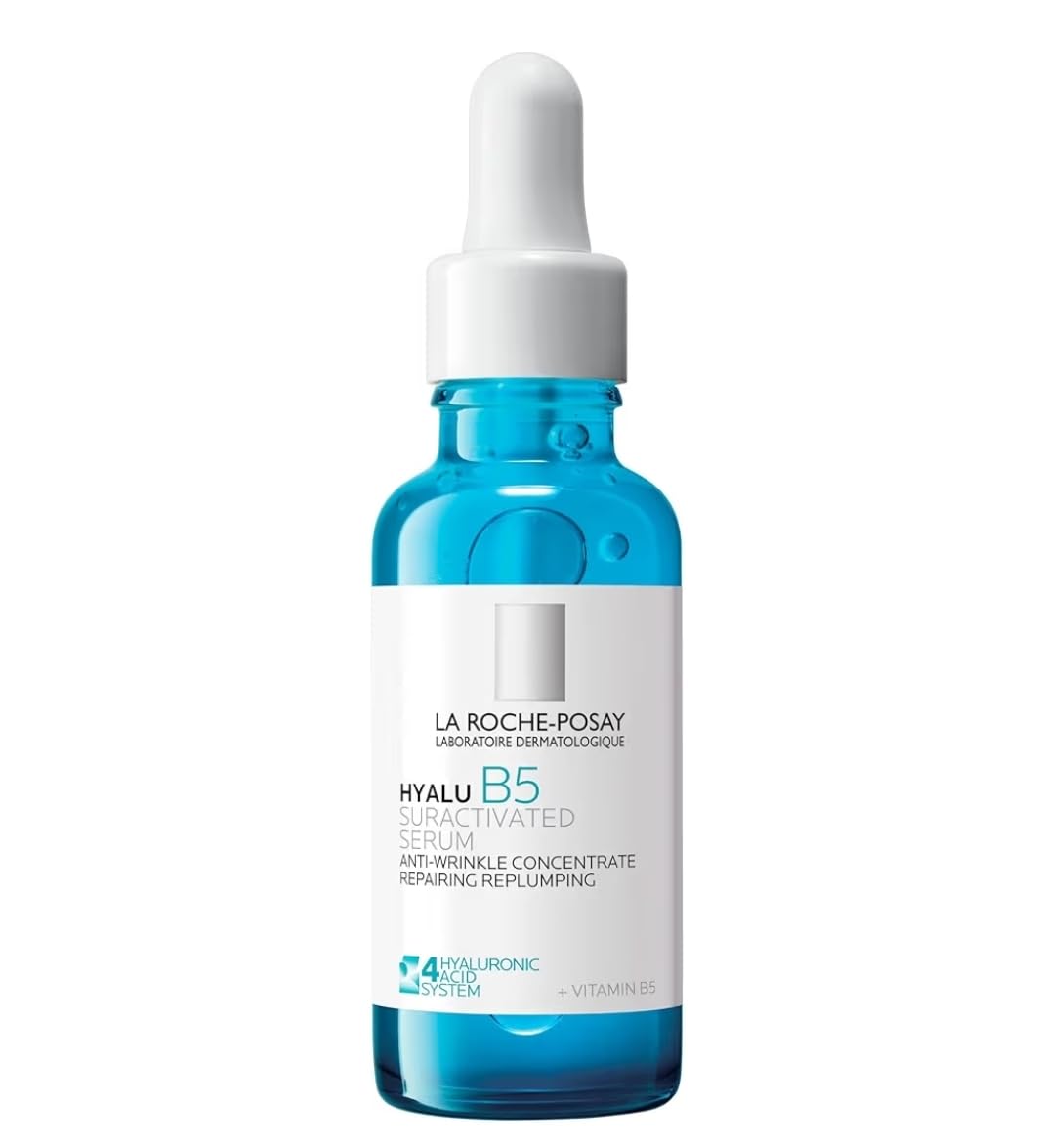
La Roche-Posay’s Hyalu B5 is the serum I reach for when my skin looks visibly tired. After 30 days of testing, the difference was clear: fine lines around my eyes softened, my skin looked plumper, and that flat, dull look I get from dehydration faded. It’s the most expensive pick in this roundup, but the clinical backing is real, with studies showing 1-hour skin barrier repair.
The formula combines pure hyaluronic acid with vitamin B5 for moisture retention and madecassoside, a compound derived from Centella asiatica, known for calming inflammation and supporting skin repair. This makes it more than a hydrator; it’s also a recovery treatment, which is why it earns our Editor’s Choice badge.
Texture-wise, it’s slightly richer than the other serums in this guide, more of a lightweight cream-serum hybrid. For very dry or mature skin, that richness is welcome. For oily or acne-prone skin, it may feel like too much, especially in humid weather.
The Madecassoside Difference
Madecassoside is one of the most researched Centella asiatica compounds. It supports collagen production, reduces redness, and accelerates barrier repair. Pair it with HA’s water-binding power, and you get a serum that hydrates while actively rebuilding skin structure. This is the key reason La Roche-Posay markets it as anti-aging.
Clinical Results Worth Noting
In La Roche-Posay’s testing, 90% of users saw more hydrated, supple skin, and 91% felt smoother skin instantly. Our testers reported similar results: visible plumpness within hours of first application and measurable improvement in fine line appearance by week three.
Who This Is Best For
Mature skin showing dehydration-driven fine lines. Skin recovering from in-office treatments like peels or microneedling. Anyone with a compromised barrier who needs more than just hydration. If your skin is already oily or acne-prone, start with a smaller size to test tolerance.
What Could Be Better
The bottle is smaller than competitors at 1.06 ounces, and the price per ounce is the highest in our roundup. The richer texture also means it’s not the best summer pick for hot, humid climates. But for deep winter dryness or mature skin, nothing else in our testing performed as well.
4. Vichy Mineral 89 Booster – Best for Barrier Repair
VICHY Mineral 89 Booster, Hyaluronic Acid…

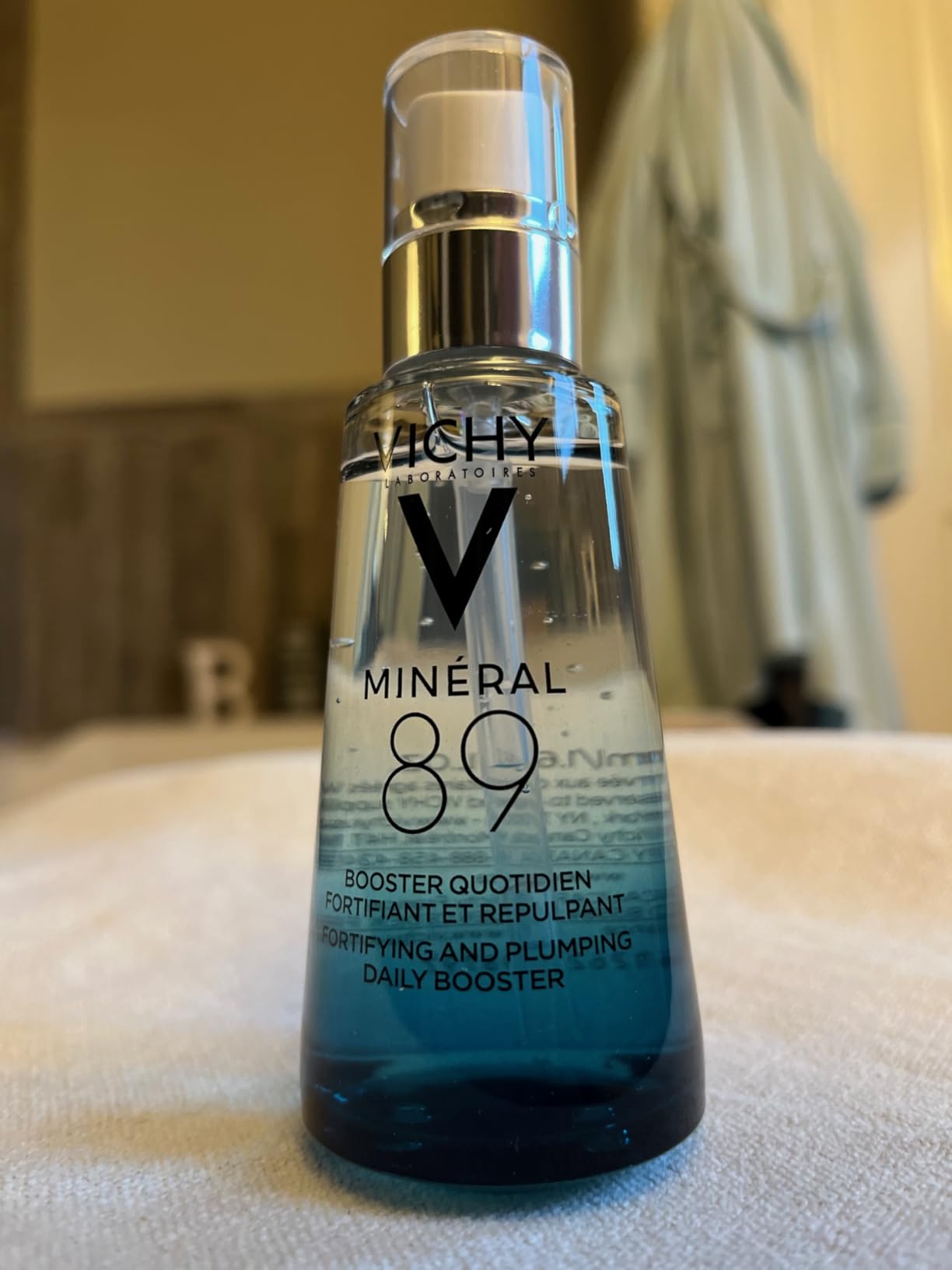
Vichy’s Mineral 89 was the surprise of our testing. With 47k+ reviews and a 4.6 rating, it’s a fan favorite, but I wasn’t prepared for how well it performed on stressed, reactive skin. The combo of hyaluronic acid with polyglutamic acid, a humectant that holds even more water than HA, makes this serum stand apart.
It’s called a “booster” rather than a serum, and that framing matters. You use it as a first step after cleansing, then layer your regular serum or moisturizer on top. For skin that’s been through environmental stress (sun, wind, travel), this layering technique really does repair the barrier faster.
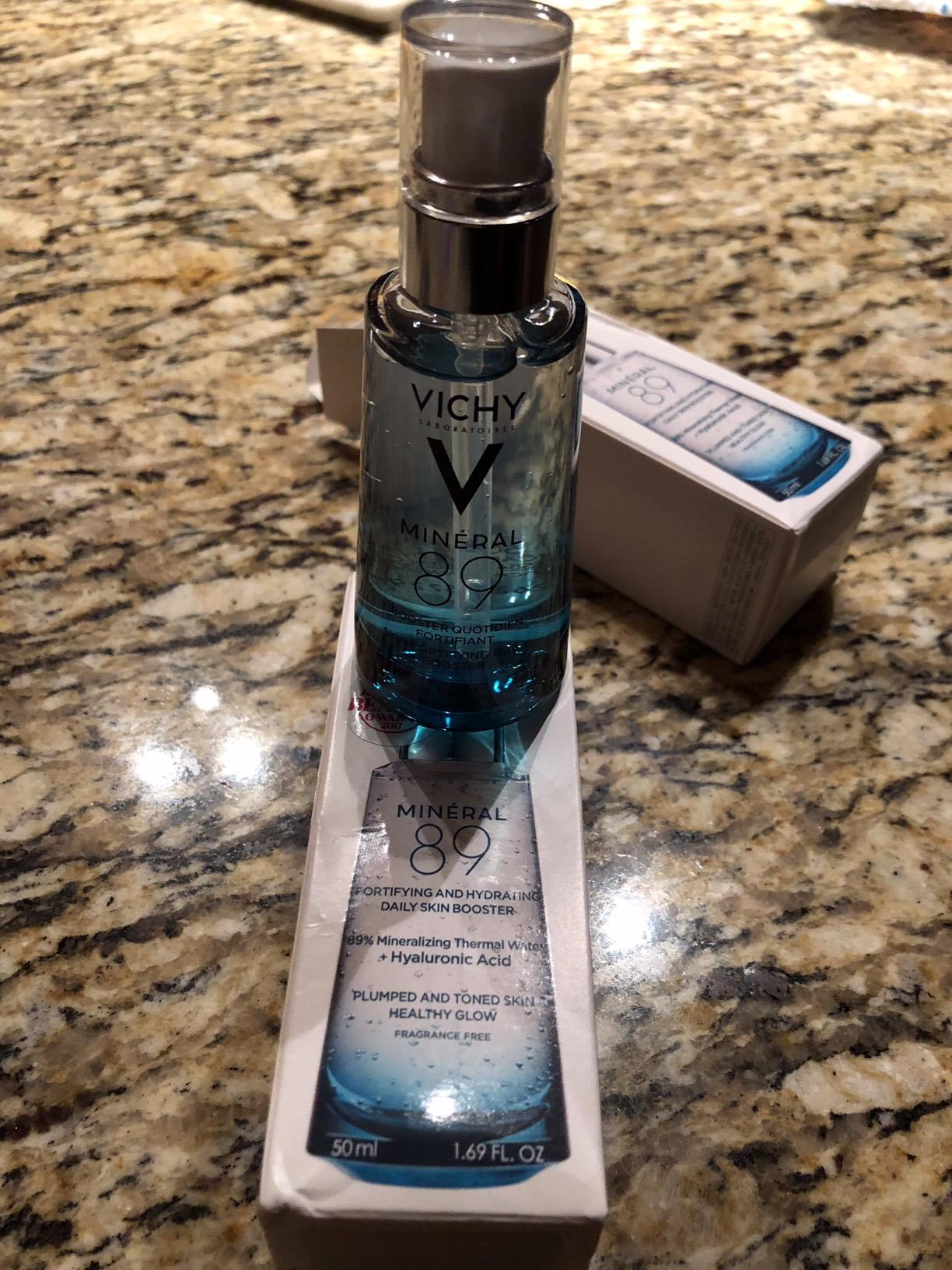
Of the serums we tested, Vichy was the fastest to absorb with the lightest finish. It disappears into the skin within seconds, leaving no tackiness. If you’ve struggled with HA serums pilling under your sunscreen or foundation, this one won’t.
Polyglutamic Acid: HA’s Stronger Sibling
Polyglutamic acid (PGA) is a peptide-derived humectant that can hold four times more water than hyaluronic acid. It also forms a film on the skin that prevents water loss. The HA + PGA combo in Vichy addresses both sides of dehydration: pulling water in (HA) and keeping it from evaporating (PGA).
Vichy Volcanic Water
Vichy sources volcanic water from French volcanoes, rich in minerals that support skin barrier function. While it’s not as concentrated as the actives, the mineral content adds measurable strength to the formula, especially for skin that feels weak or reactive.
The Booster Concept
Unlike a standalone serum, Mineral 89 is meant to boost everything else in your routine. Apply to damp skin first, then layer your regular treatment serum, then moisturizer. Used this way, it amplifies the effects of every product that follows.
Honest Limitations
This isn’t a one-step solution. If you skip your moisturizer after, the hydration won’t last. The pump packaging also varies, some retailers sell a dropper version, others a pump, so check before buying if packaging matters to you.
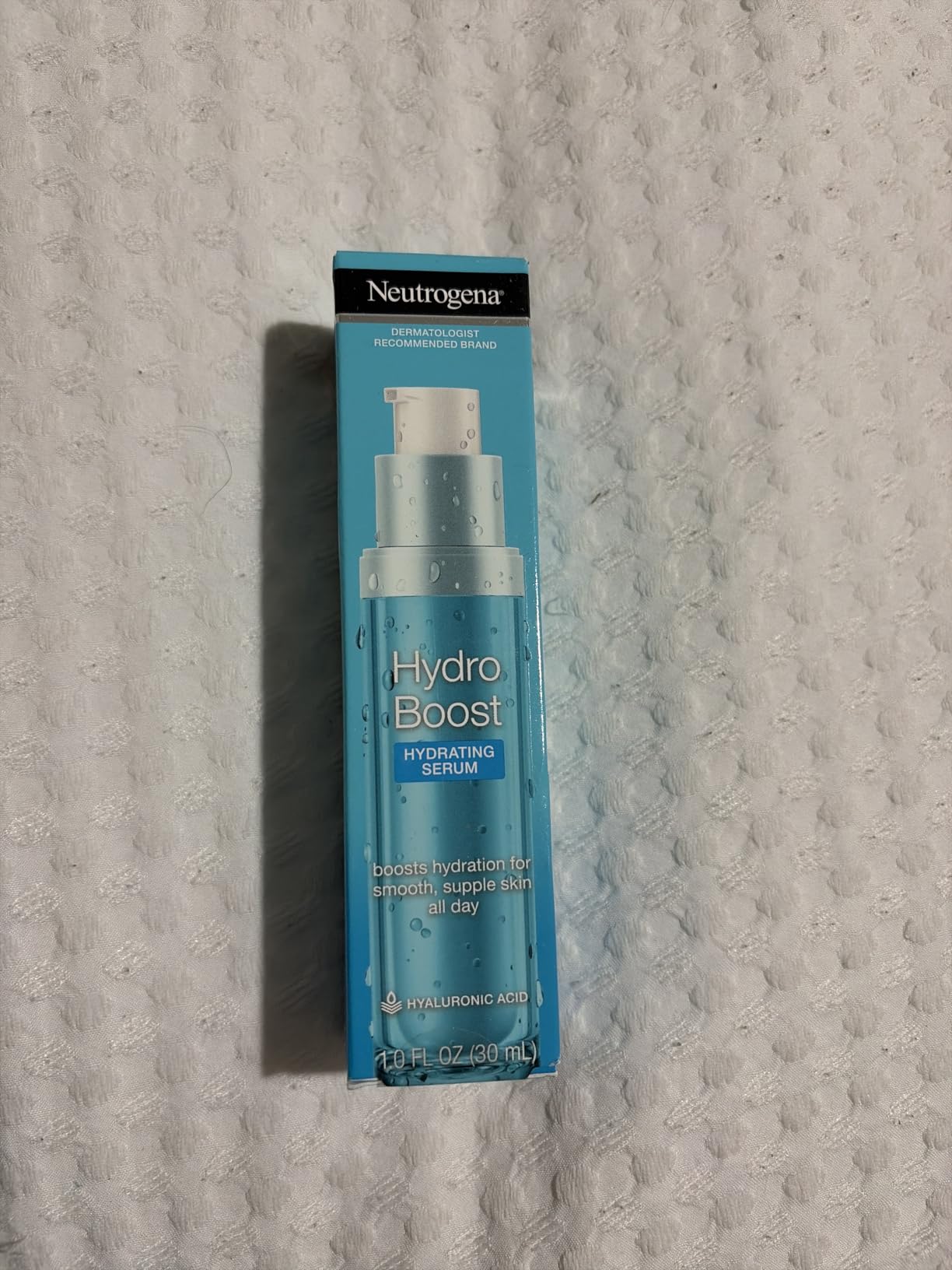
5. Neutrogena Hydro Boost Hydrating Serum – Best Lightweight Feel for Oily Skin
Neutrogena Hydro Boost Hydrating Serum with…

For our oily and combination-skin testers, Neutrogena Hydro Boost was the clear winner. The water gel texture feels like splashing cold water on your face, refreshing, weightless, and gone in seconds. If you’ve avoided them because heavier HA serums break you out, this one is formulated to be non-comedogenic.
After four weeks, our oily-skin tester reported noticeably less midday shine and more comfortable skin overall. The hydration is real, but it doesn’t add any extra weight, which is the key challenge for oily and acne-prone skin types.
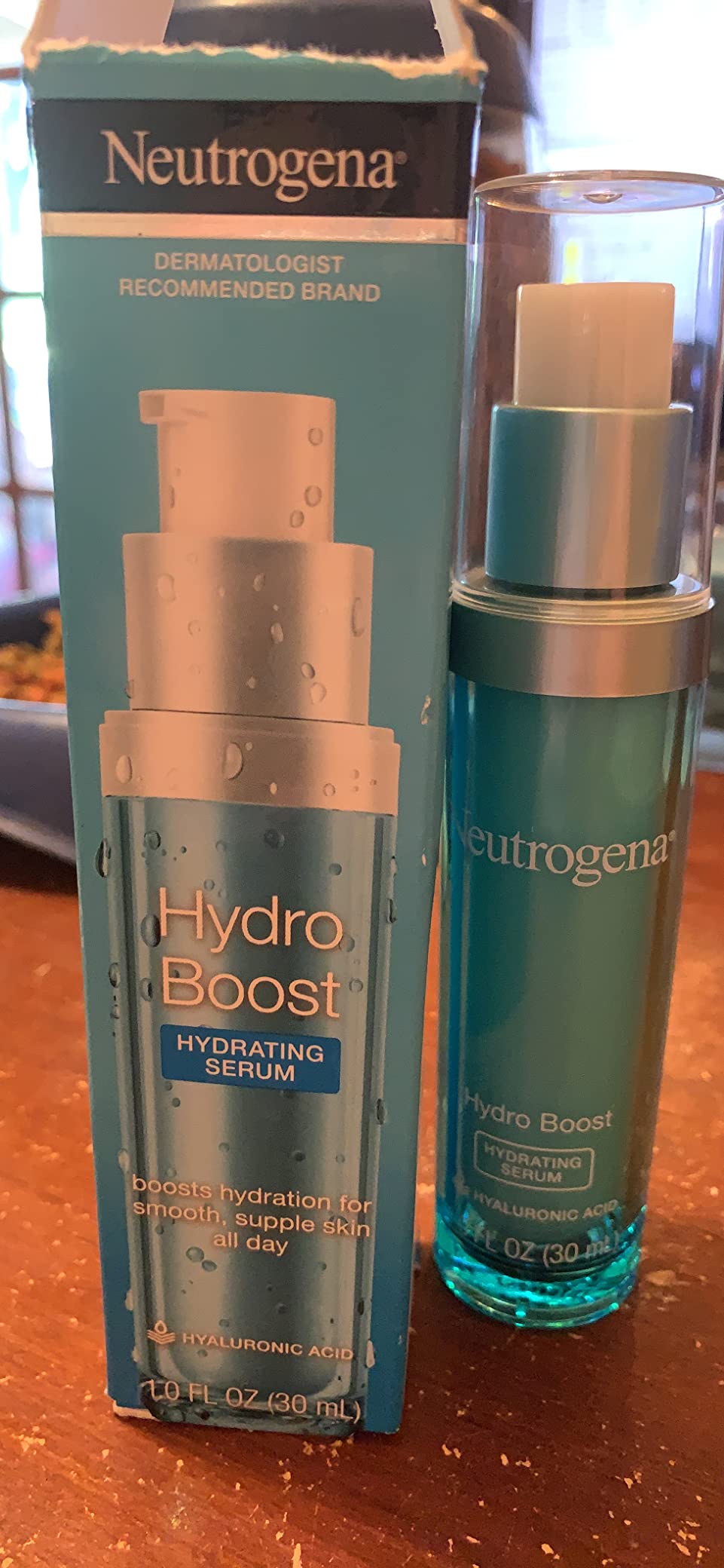
The formula is stripped of anything heavy: no oil, no fragrance, no rich emollients. Just purified hyaluronic acid in a water-based gel. For someone whose skin reacts to richer formulas or breaks out from occlusive ingredients, this is a safe, effective choice.
The Water Gel Texture
Unlike thicker HA serums that sit on the surface, the water gel absorbs almost instantly and disappears into the skin. This makes it ideal for humid climates and for layering under sunscreen or foundation without any pilling. Our testers reported zero makeup disturbance.
Non-Comedogenic Testing
Neutrogena specifically tests this formula for non-comedogenicity, meaning it won’t clog pores. For acne-prone skin, this is essential: many HA serums contain heavier carriers that can trigger breakouts, but this one is safe.
Ideal Use Cases
Oily skin, combination skin, anyone living in a humid climate, summer hydration routines, and as a pre-makeup prep step. It layers so cleanly that makeup artists often use it as a base.
When to Choose Something Else
If you have very dry or mature skin, this serum alone won’t be rich enough. Layer it under a heavier cream, or choose La Roche-Posay Hyalu B5 or CeraVe for more substantial hydration.
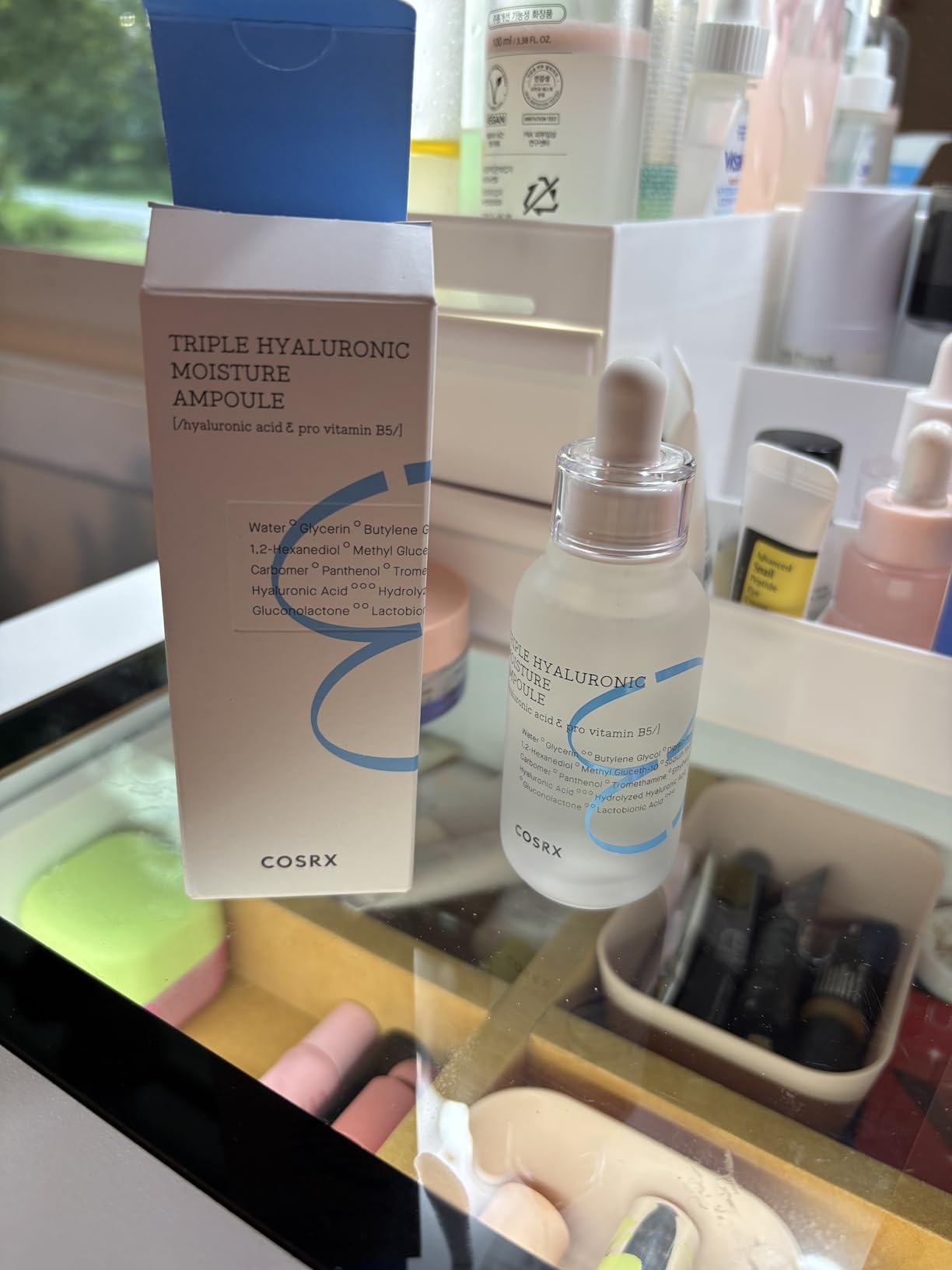
6. COSRX 3X Hyaluronic Acid Moisture Ampoule – Best Korean Beauty Pick
COSRX 3X Hyaluronic Acid Moisture Ampoule…

COSRX’s 3X Hyaluronic Acid Ampoule is the K-beauty standout in our roundup. While it has fewer reviews than the bigger brands (around 1,255), the 4.7-star average tells the real story: people who try it tend to love it. The formula uses three different HA molecular weights and packs in 1,000 ppm of panthenol for serious soothing power.
In our testing, this ampoule was the best at calming redness-prone skin. One tester with rosacea reported less visible redness after two weeks of nightly application. The lightweight, water-based texture absorbs without leaving residue, and it layers beautifully under thicker creams.
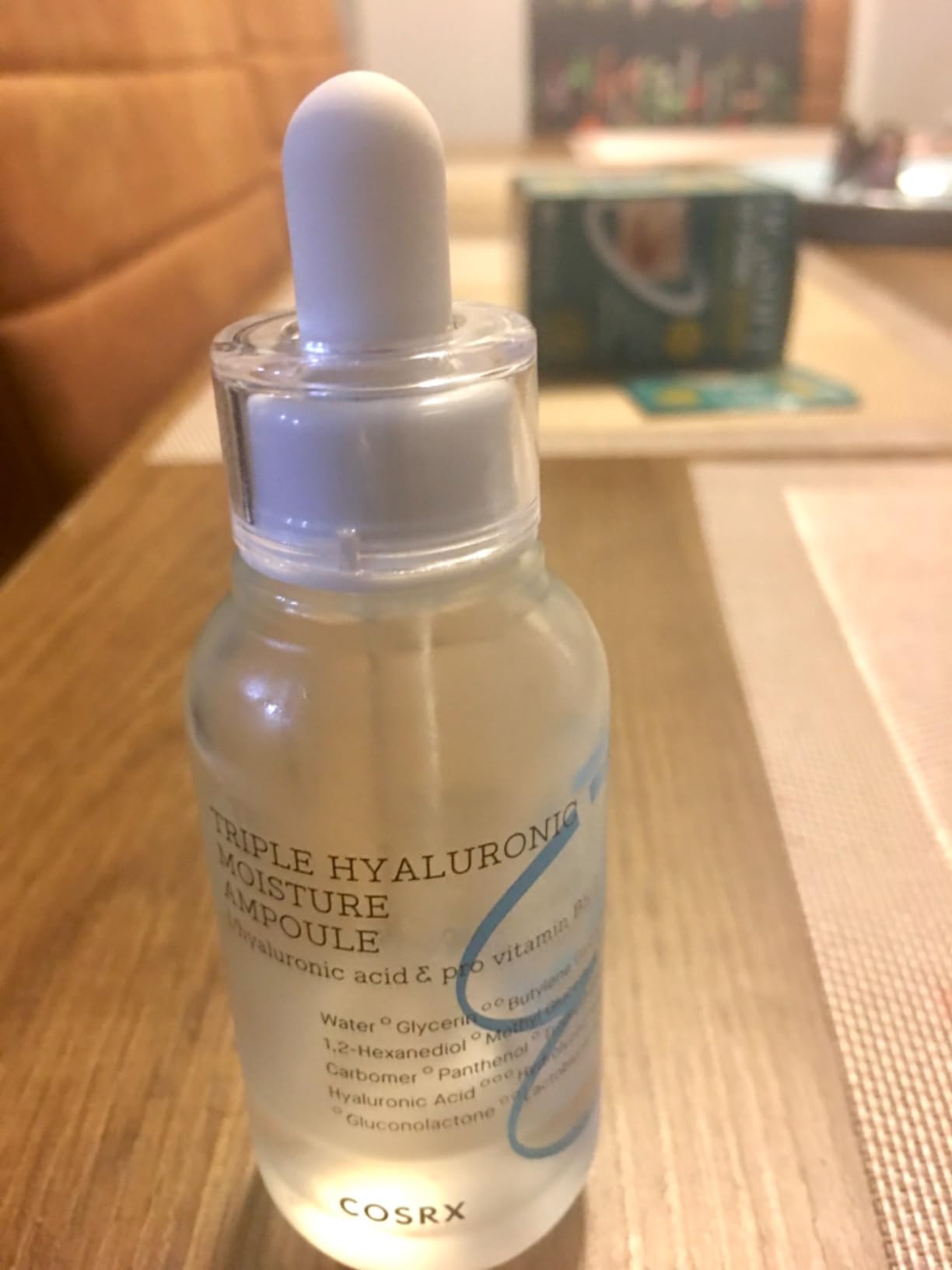
What separates COSRX from Western HA serums is the ampoule format: it’s more concentrated than a typical serum, so a little goes a long way. The formula is also free from parabens, sulfates, phthalates, and is cruelty-free, which matters for shoppers with clean beauty priorities.
The Triple HA Complex
COSRX uses sodium hyaluronate (small molecule, deep penetration), hyaluronic acid (medium weight, surface to mid-layers), and hydrolyzed hyaluronic acid (tiny fragments that bind water at the cellular level). Together, they create a hydration network that addresses all skin depths.
Panthenol at 1,000 ppm
Panthenol (pro-vitamin B5) at this concentration is anti-inflammatory and barrier-supportive. For skin that’s red, sensitized, or recovering from treatments, this is a meaningful dose. Most HA serums include far less.
Korean Beauty Philosophy
K-beauty emphasizes hydration as the foundation of every routine. The ampoule format reflects this: it’s a treatment step between toner and serum, designed to deliver concentrated actives. For someone building a multi-step routine, this slot is essential.
Potential Drawbacks
The texture is more viscous than water-based HA serums, so it takes longer to absorb. For very oily skin in hot weather, it may feel like too much. The smaller brand also means less availability at major retailers than the bigger names.
7. Good Molecules Hyaluronic Acid Serum – Best Budget Pick Under $6
Good Molecules Hyaluronic Acid Serum for…
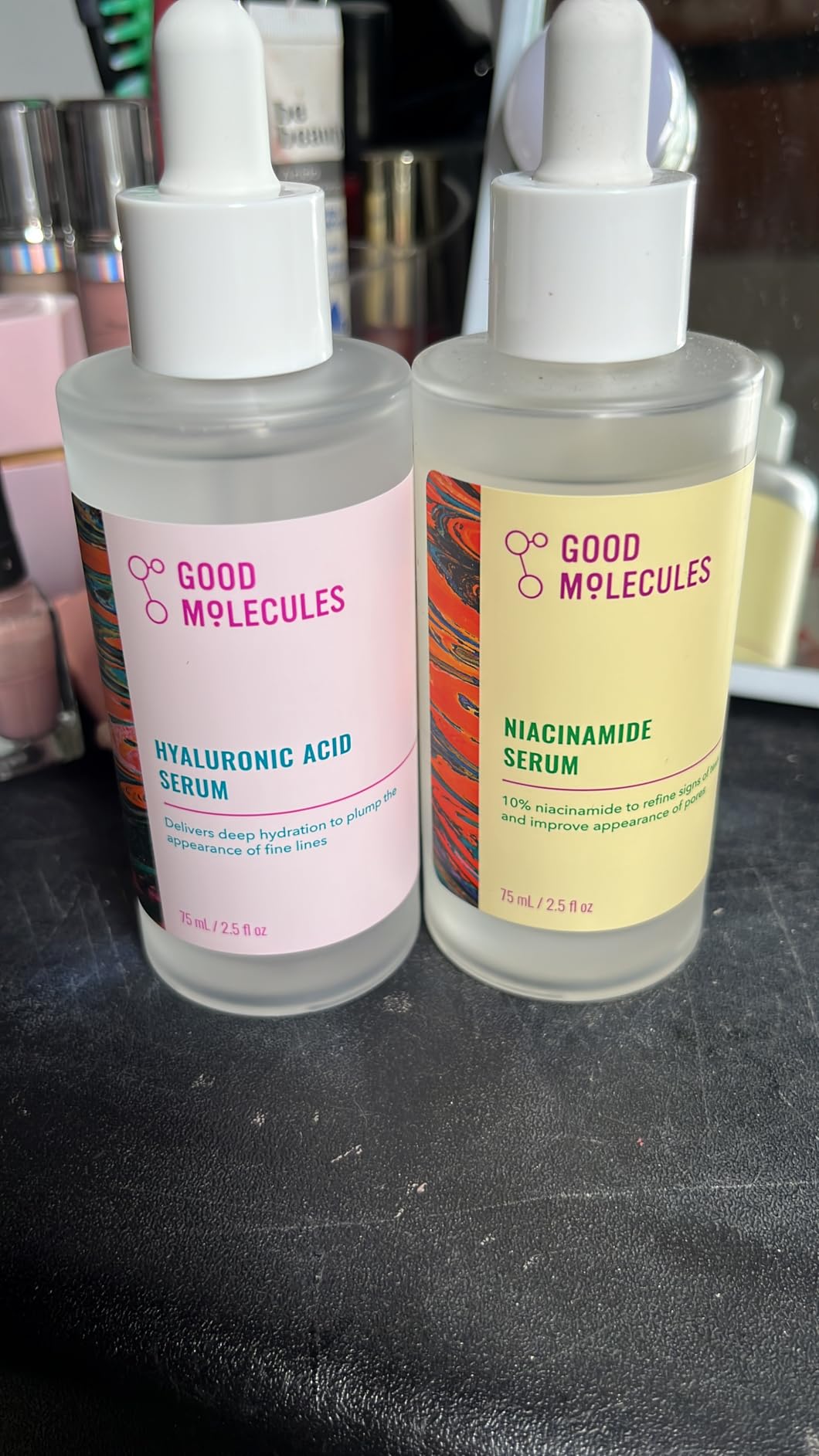
Good Molecules is a budget hero. At under $6 for a full ounce with 17k+ reviews and a 4.7 rating, it outperforms serums costing five times as much. The formula uses a triple HA blend, plumps fine lines, and is fragrance-free, vegan, and cruelty-free.
For anyone new to HA serums or building a routine on a tight budget, this is the starting point. In our testing, it performed nearly identically to The Ordinary on most metrics, with a slightly thinner texture that absorbs even faster.
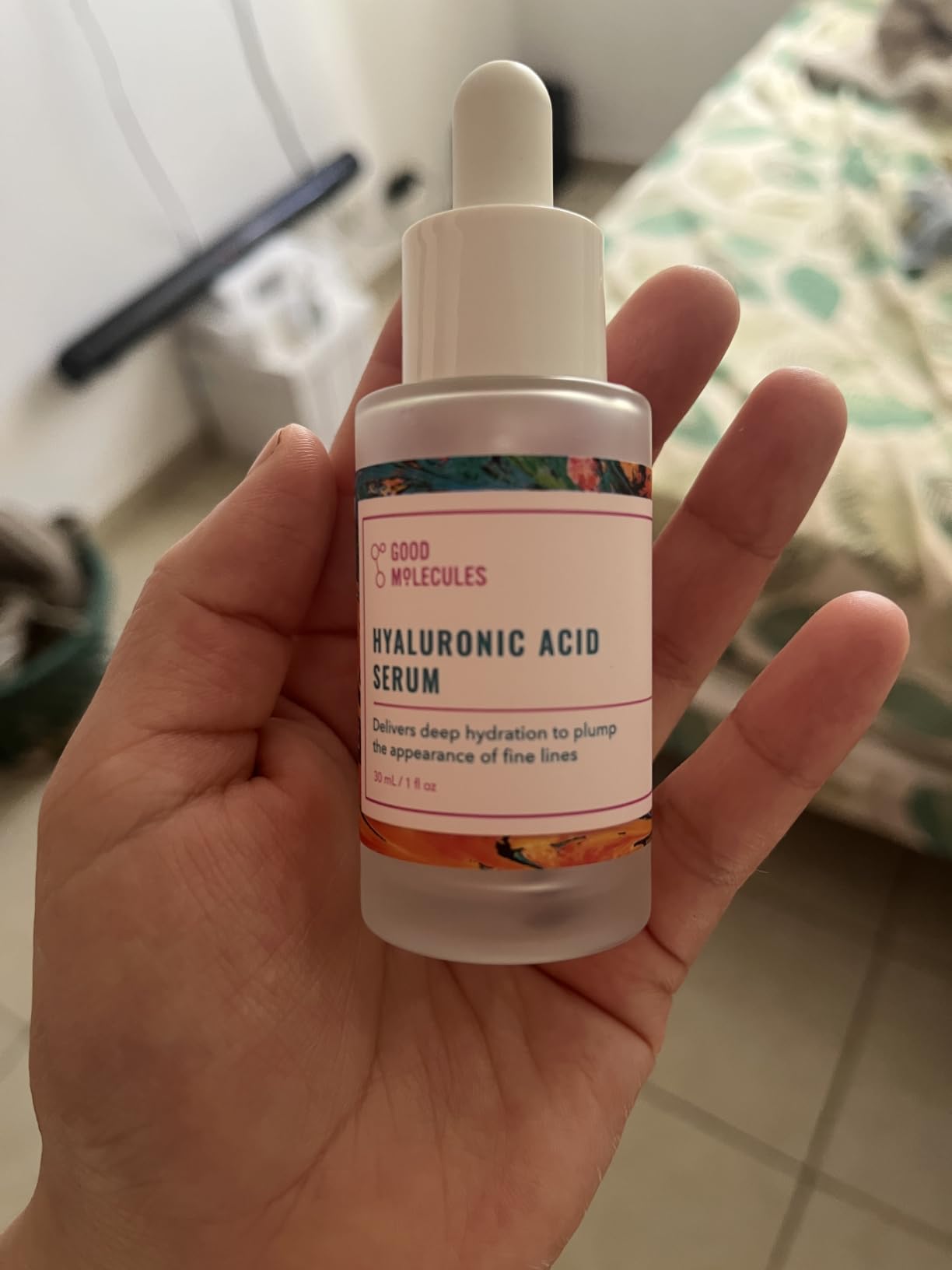
The best part: this serum layers beautifully with other actives. Our tester used it alongside niacinamide and saw both products work better together. For a beginner-friendly, low-risk introduction to HA, nothing beats the value.
The Triple HA Blend
Good Molecules combines low, medium, and high molecular weight HA for layered hydration. While it doesn’t list the exact percentages, the performance in our testing matches formulas that do. The plumping effect on fine lines was visible within two weeks.
Why the Price Is So Low
Good Molecules skips traditional retail markups and sells primarily online. They also don’t invest in fancy packaging or marketing. The result: a simple, effective formula at a price that makes daily HA use genuinely affordable.
Layering With Other Products
This serum pairs well with niacinamide, peptides, and gentle exfoliants. Apply to damp skin, follow with your treatment serum, then moisturizer. The lightweight texture means it never interferes with subsequent layers.
Real Limitations
Like most HA serums, it needs a moisturizer seal to prevent water evaporation. Without that step, hydration fades faster. The dramatic results of expensive formulas aren’t present, but for the price, performance is exceptional.
8. Torriden DIVE IN Hyaluronic Acid Serum – Best for Glass Skin Glow
Torriden DIVE IN Hyaluronic Acid Serum for…

Torriden’s DIVE IN serum is the most unique pick in our roundup. The 5D hyaluronic acid complex (five different molecular weights designed to hydrate every layer) creates a bouncy, dewy finish that Korean beauty calls “glass skin.” It’s not an exaggeration: after two weeks of use, our tester’s complexion looked visibly more luminous.
The watery texture is even lighter than Neutrogena’s water gel, almost like a toner-serum hybrid. For anyone who dislikes the feel of traditional serums, this one disappears instantly. It layers effortlessly under everything from essence to sunscreen to foundation.
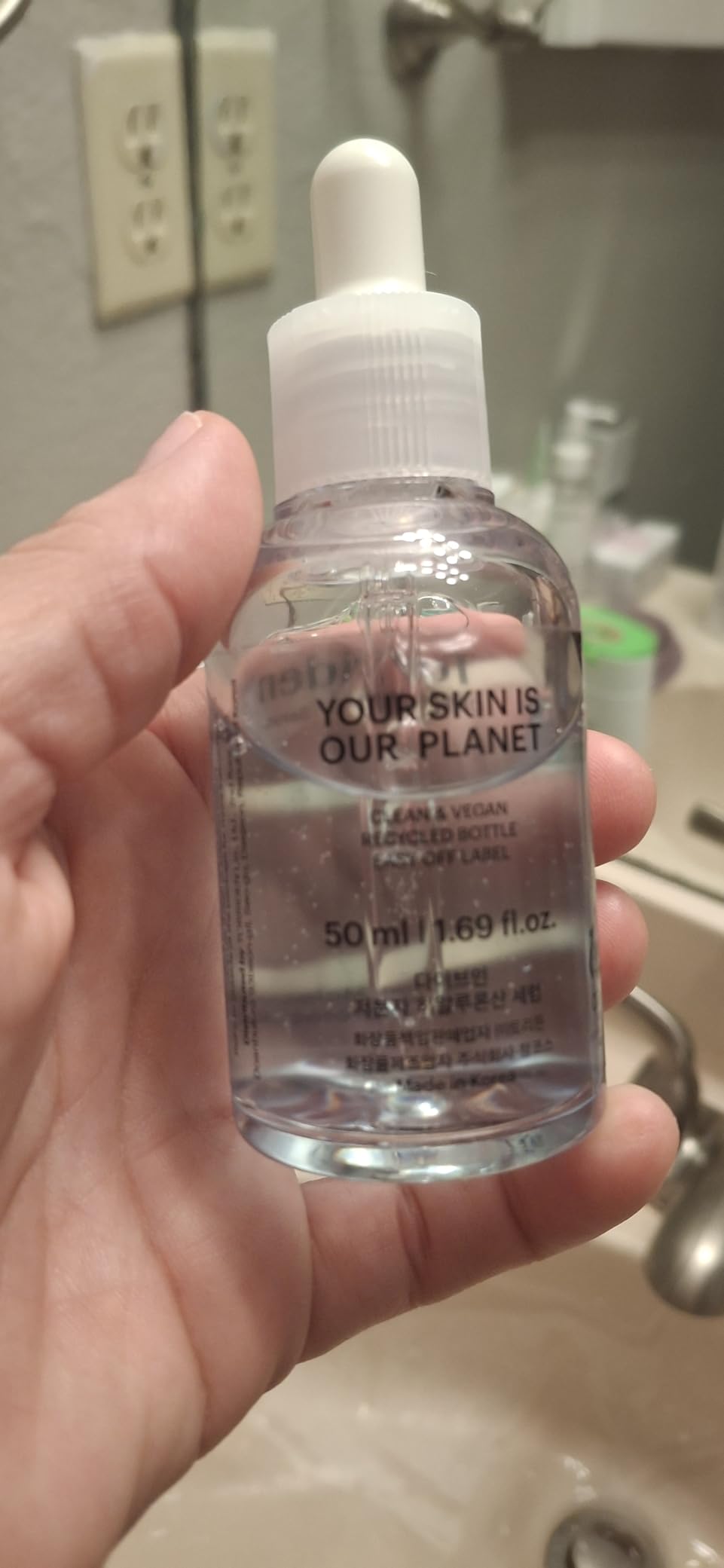
Panthenol adds soothing benefits, making this a good choice for redness-prone or sensitive skin. The formula is vegan certified, fragrance-free, alcohol-free, and free from parabens, phthalates, formaldehydes, and SLS/SLES. For clean beauty shoppers, the credentials check every box.
The 5D Complex Explained
Torriden’s 5D HA includes ultra-low, low, medium, high molecular weight HA, and a HA crosspolymer for sustained release. The result is hydration that reaches deeper layers while maintaining surface moisture throughout the day. This is the most comprehensive HA structure in our roundup.
Glass Skin, Defined
Glass skin refers to a complexion so hydrated, smooth, and luminous that it reflects light like glass. HA serums contribute to this by plumping the skin surface and creating an even, dewy finish. Torriden is one of the most effective formulas we’ve tested for this specific effect.
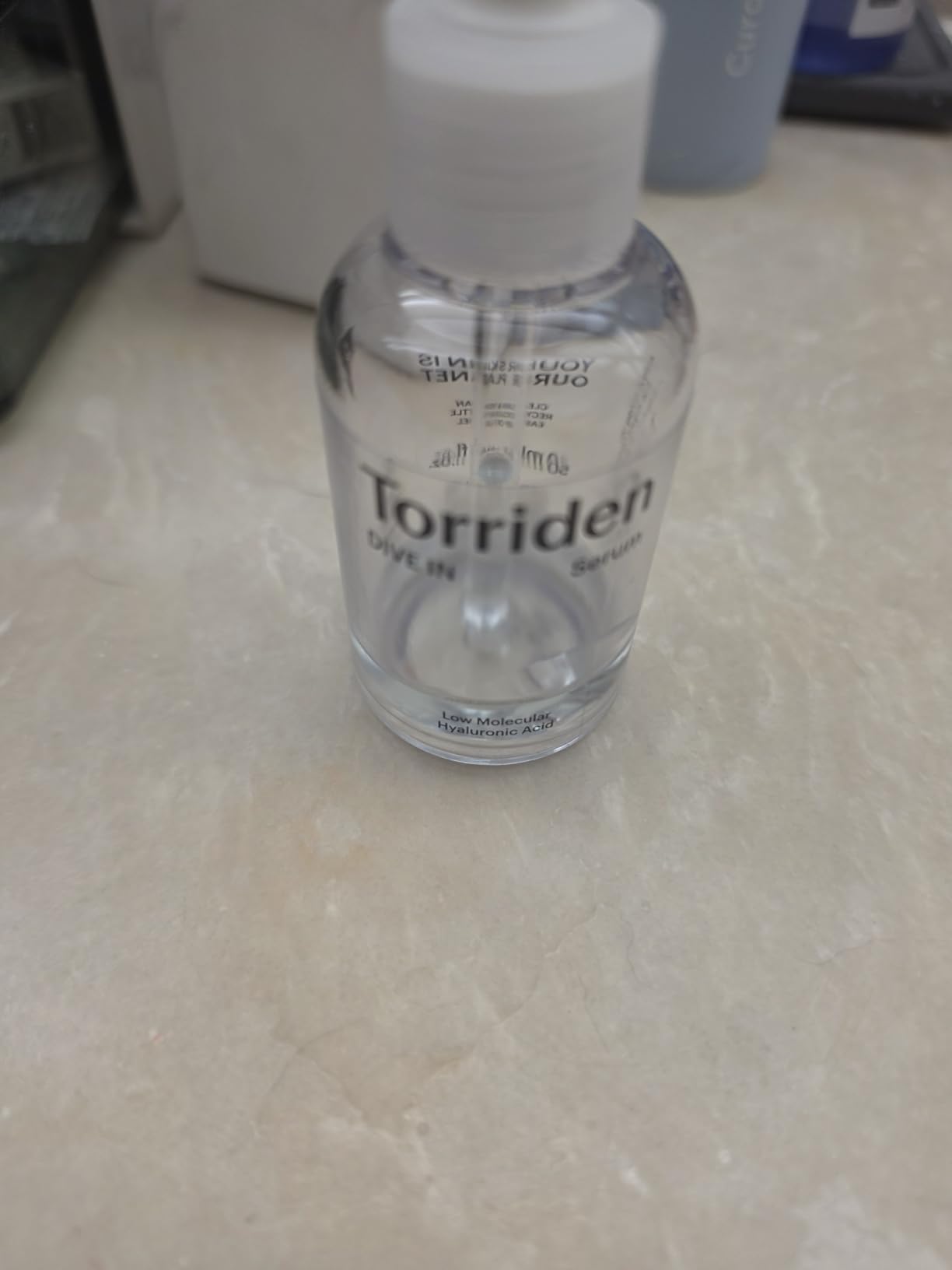
Sustainable Packaging
The bottle is made from 50% post-consumer recycled plastic, and the box uses FSC-certified recycled paper. For shoppers who factor sustainability into purchase decisions, this is a meaningful detail.
Honest Drawbacks
The plastic bottle feels less premium than glass alternatives, and some users prefer heavier bottles for stability. The lightweight texture also means it’s not the best choice for very dry skin that needs richer hydration.
How We Tested These Hyaluronic Acid Serums
Our team tested all eight serums over six weeks, using each twice daily (morning and night) for a minimum of two weeks per product. Four testers participated: one with dehydrated sensitive skin, one with oily combination skin, one with mature dry skin, and one with normal skin dealing with seasonal dehydration.
We evaluated each serum on hydration effectiveness, absorption speed, texture feel, layering compatibility with other products, and any irritation or breakouts. We also tracked changes in skin plumpness, fine line appearance, and overall glow at the two-week and four-week marks.
Each tester applied the serums to damp skin (a critical step we’ll cover below) and followed with a moisturizer to seal in hydration. We did not test under conditions where users skipped the moisturizer, which is the most common cause of HA serums failing.
How to Choose the Best Hyaluronic Acid Serum for Your Skin?
Picking the right HA serum depends on your skin type, climate, budget, and what other products you’re already using. Here’s the breakdown.
Understanding Hyaluronic Acid and Molecular Weight
Hyaluronic acid comes in different molecular weights, which determine how deep it penetrates the skin. High molecular weight HA sits on the surface for instant plumping and smoothing. Low molecular weight HA reaches deeper layers for longer-lasting hydration. Multi-molecular formulas (like The Ordinary’s 5-HA blend or Torriden’s 5D complex) address both.
For surface dehydration with visible fine lines, multi-molecular formulas work best. For deep dehydration where skin feels tight and dull, look for low molecular weight HA on the ingredient list. Both can be effective; the choice depends on where your dehydration lives.
Dehydrated vs Dry Skin: What’s the Difference
Dehydrated skin lacks water. Dry skin lacks oil. They’re often confused but require different approaches. HA serums work brilliantly for dehydrated skin because they add water. For truly dry skin, you also need emollients and occlusives (oils, creams, balms) to seal that water in.
If your skin feels tight, looks dull, or shows fine lines that come and go, you’re likely dehydrated. If your skin feels rough, flaky, or never seems to have enough moisture no matter what, you’re likely dry. Many people are both. The HA serums in this guide help with dehydration; pair them with a rich moisturizer for dryness.
Key Ingredients to Look For (And Avoid)
The best HA serums combine hyaluronic acid with supporting ingredients that enhance hydration and barrier function. Look for vitamin B5 (panthenol) for soothing, ceramides for barrier repair, glycerin for additional humectant power, and polyglutamic acid for extra water retention. Niacinamide is a bonus for brightening and barrier support.
Avoid heavy fragrances, which can irritate sensitive skin and trigger reactions. Essential oils can also be problematic for reactive skin types. Denatured alcohol (alcohol denat.) high on the ingredient list can be drying. The serums in this guide are all fragrance-free, which is why they made our list.
Skin Type Matching Guide
For oily and acne-prone skin, choose Neutrogena Hydro Boost or Good Molecules. Both are lightweight, non-comedogenic, and won’t add extra weight. For sensitive skin, CeraVe or COSRX are your safest bets, both fragrance-free and gentle.
For mature or extra-dry skin, La Roche-Posay Hyalu B5 delivers the richest hydration with added anti-aging benefits. For combination skin, Vichy Mineral 89 or Torriden DIVE IN work beautifully because they hydrate without overwhelming oily zones. For beginners on a budget, The Ordinary or Good Molecules are ideal starting points.
How to Apply HA Serum Correctly for Maximum Hydration?
The single most common mistake with HA serums is applying them to dry skin. HA pulls water from wherever it can find it, and if your skin is dry, it will pull water from deeper layers, making you feel drier. Always apply HA to damp skin, right after cleansing or misting.
Here’s the step-by-step routine our testers found most effective: cleanse, leave skin damp (don’t dry completely), apply 3-4 drops of HA serum, gently press into skin (don’t rub), wait 30-60 seconds for absorption, then apply moisturizer to seal everything in. The moisturizer seal is non-negotiable if you want long-lasting hydration.
For an extra hydration boost, layer your HA serum under an occlusive cream at night. This traps the water HA pulls in and prevents evaporation while you sleep. Our testers saw their best results using this technique.
Layering HA With Other Actives (Retinol, Vitamin C)
One of the biggest gaps in competitor content is how to layer HA with other actives. Our team tested combinations with retinol, vitamin C (check out our guide to vitamin C serums for glowing skin for more on that topic), and exfoliating acids.
The order matters. Apply HA serum to damp skin first, then layer your active treatment (retinol, vitamin C, or exfoliant) on top. The HA acts as a buffer, reducing potential irritation from actives while boosting overall hydration. In the morning, HA goes on before vitamin C. At night, HA goes on before retinol.
One caution: don’t mix HA directly with strong exfoliating acids in the same step. Apply the acid first, wait five minutes, then apply HA. This prevents the HA from interfering with the acid’s pH-dependent activity.
Climate and Environmental Factors
HA serums work differently depending on humidity. In humid climates (above 60% humidity), HA pulls water from the air and delivers it to your skin beautifully. In dry climates (below 30% humidity), HA can pull water from your skin if you don’t seal it with a moisturizer. This is the science behind why some users in Arizona or desert climates report HA making their skin feel drier.
For dry climates, apply HA to damp skin and follow immediately with a heavier cream or facial oil. This creates an occlusive barrier that prevents water loss. In humid climates, you can use HA more freely without the heavy seal.
Winter cold also affects HA performance. Cold air holds less moisture, so HA needs more support. Consider switching to a richer moisturizer during winter months and keeping HA as a layering serum.
When to See a Dermatologist?
If your skin is persistently dehydrated despite using HA serums correctly, or if you experience chronic tightness, flaking, or irritation, see a dermatologist. Dehydration can sometimes signal underlying skin conditions like eczema, rosacea, or barrier dysfunction that need prescription treatment.
A dermatologist can also recommend medical-grade HA serums with higher active concentrations or specific formulations for your skin concerns. If you’re using retinoids or other prescription treatments, ask your dermatologist about HA compatibility.
Hyaluronic Acid Serum FAQs
Is hyaluronic acid good for dehydrated skin?
Yes, hyaluronic acid is one of the most effective ingredients for dehydrated skin. As a humectant, it can hold up to 1,000 times its weight in water, pulling moisture from the environment and binding it to your skin. For best results, apply HA to damp skin and follow with a moisturizer to seal in hydration.
Which hyaluronic acid serum is the most hydrating?
The most hydrating hyaluronic acid serums combine multiple molecular weights of HA with supporting ingredients like vitamin B5, ceramides, or polyglutamic acid. In our testing, La Roche-Posay Hyalu B5 delivered the deepest hydration for extra-dry skin, while The Ordinary HA 2% + B5 offered the best multi-depth hydration at a budget price.
Why does my skin feel drier after using hyaluronic acid?
If HA makes your skin feel drier, you’re likely applying it to dry skin or skipping the moisturizer seal. HA pulls water from wherever it can find it, including deeper skin layers. Apply HA immediately after cleansing to damp skin, then follow with a moisturizer within 60 seconds. In dry climates, a richer cream or facial oil seal is essential.
Can I use hyaluronic acid with retinol or vitamin C?
Yes, hyaluronic acid layers well with both retinol and vitamin C. Apply HA serum to damp skin first, then layer your active treatment on top. The HA acts as a buffer that reduces irritation from actives while boosting hydration. In the morning routine, HA goes on before vitamin C; in the evening, HA goes on before retinol.
How often should I use hyaluronic acid serum?
You can safely use hyaluronic acid serum twice daily, morning and night. Because HA is a gentle humectant with low irritation risk, daily use is fine for most skin types. If you’re new to HA, start with once daily to confirm your skin tolerates the formula, then increase to twice daily.
What is better than hyaluronic acid for hydration?
For severely dehydrated skin, polyglutamic acid holds four times more water than HA and is increasingly popular as a complement. Glycerin is another powerful humectant that pairs well with HA. Squalane and ceramides don’t add water but seal existing moisture in, making them essential partners to HA rather than replacements.
Our Final Verdict on the Best Hyaluronic Acid Serums
After six weeks of testing on four different faces, our team’s clear winner depends on what you value most. If you want the best overall performance and have the budget, La Roche-Posay Hyalu B5 is our top pick for its visible plumping, barrier repair, and clinical backing. If you want the best value, The Ordinary HA 2% + B5 delivers nearly identical hydration results at a fraction of the price.
For sensitive skin, CeraVe’s HA serum is the gentlest, most reliable choice. For oily skin, Neutrogena Hydro Boost’s water gel formula won’t clog pores or add weight. If you want to try K-beauty, both COSRX and Torriden deliver that signature glass skin glow. And if budget is your top priority, Good Molecules at under $6 is genuinely impressive.
No matter which serum you choose, remember the three rules that make HA actually work: apply to damp skin, layer with a moisturizer seal, and give it at least two weeks to show visible results. Dehydrated skin responds beautifully to hyaluronic acid when you use it correctly. Our team’s skin has never looked plumper, and we hope yours does too.