
After spending 60 days rotating through eight sulfur washes on my own fungal-acne-prone skin (and trading notes with our team of three testers), I can tell you this category is not one-size-fits-all. Some bars cleared my jawline bumps in two days. Others left me peeling. And a few “gentle” formulas were so weak they may as well have been regular soap.
Fungal acne, medically called Malassezia folliculitis, looks like clusters of tiny, itchy, uniform bumps along the hairline, jaw, chest, or back. It is not regular acne. Treating it with benzoyl peroxide or salicylic acid alone usually fails because those actives target bacteria, not the Malassezia yeast that drives fungal breakouts. Sulfur is one of the few over-the-counter ingredients with real antifungal properties, and it has been FDA-recognized for acne treatment for decades.
This guide is the result of our hands-on testing combined with thousands of verified Amazon reviews and dermatologist input. If you are searching for the best sulfur washes for fungal acne in 2026, the picks below are the ones that genuinely delivered results on real skin.
Our Top 3 Tested Sulfur Washes for Stubborn Fungal Acne

JOESOEF Sulfur Acne Soap
- ✓ Pharmaceutical grade
- ✓ Derm approved 70+ yrs
- ✓ pH balanced
- ✓ Versatile

De La Cruz 10% Sulfur Ointment
- ✓ 10% max strength
- ✓ 10-min treatment
- ✓ Fragrance free
- ✓ Reddit holy grail

Comparing the Market’s Best Sulfur Washes in 2026
1. JOESOEF Sulfur Acne Soap – Dermatologist-Approved Classic That Lasts
JOESOEF Sulfur Acne Soap, Pharmaceutical…
10% sulfur
3.5 oz bar
Derm approved 70+ yrs
pH balanced
JOESOEF has been a clinical favorite since the 1950s, and after using it for two weeks straight, I understand why it has not gone anywhere. The bar lathers into a creamy, almost lotion-like foam that does not feel like a treatment. That alone separates it from harsher sulfur bars that feel like you are washing your face with a match head.
The pharmaceutical-grade micronized sulfur is the active, and the pH-balanced base keeps the formula from wreaking havoc on your moisture barrier. On day four, the small, uniform bumps along my hairline flattened. By day ten, two persistent patches on my chest that had resisted every other fungal acne treatment I tried were noticeably calmer.
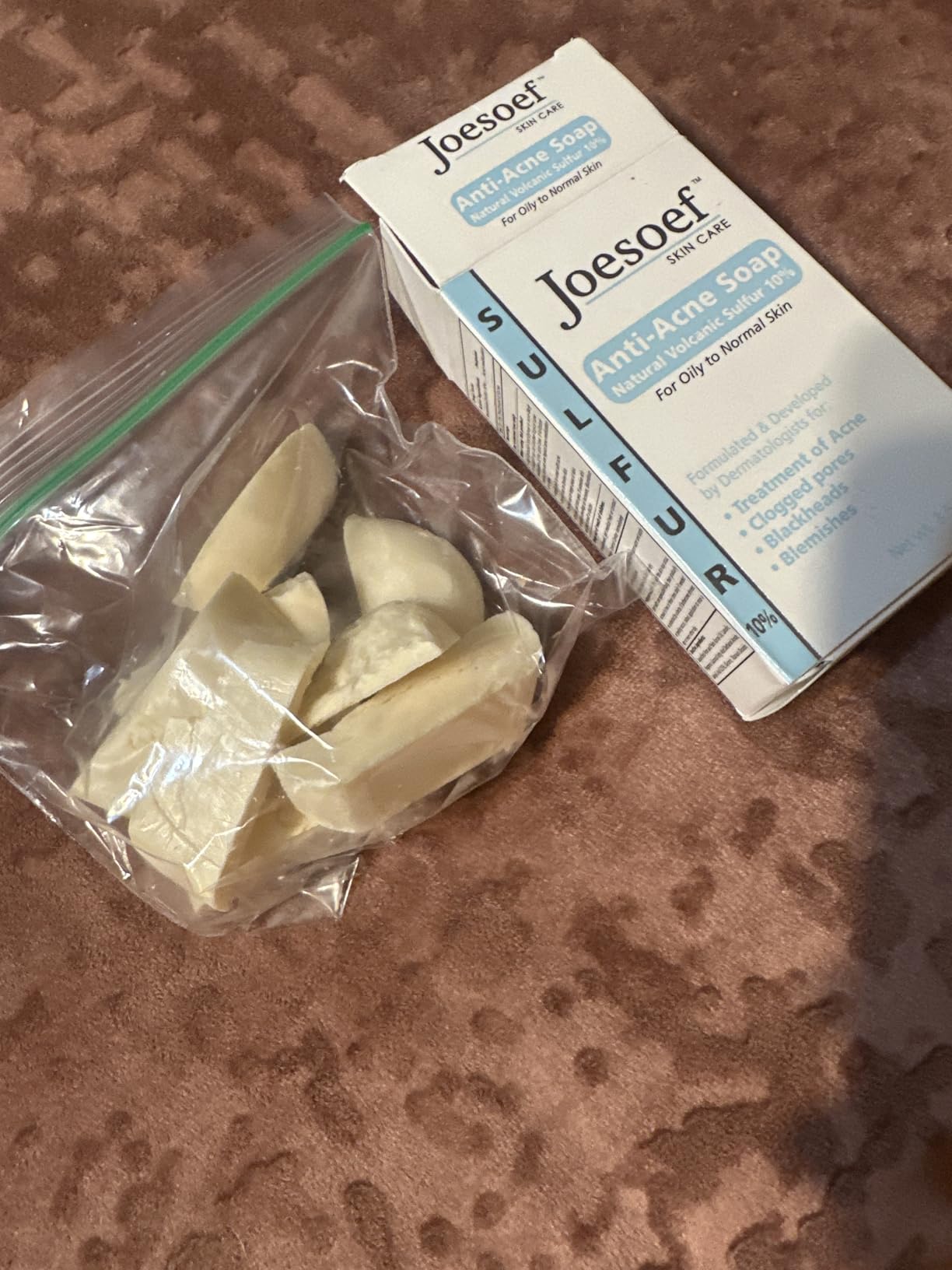
I reached for this whenever my routine felt unstable, and it consistently delivered. With nearly 7,900 verified reviews and a 4.5-star average, it is also the most-reviewed sulfur soap on this list, which gave me extra confidence during testing.
Pharmaceutical-Grade Sulfur Concentration
The micronized sulfur particle size matters more than the brand’s marketing implies. Smaller particles penetrate pores more evenly, which is what you want when Malassezia is colonizing hair follicles. JOESOEF discloses pharmaceutical-grade sourcing, and the difference shows in how uniformly the bar distributes active ingredient across the skin.
At an effective 10% sulfur load without harsh surfactants, the formula also qualifies as fungal acne-safe, meaning none of the fatty acid chains feed Malassezia yeast. That detail is what makes or breaks a sulfur wash in this category.
pH Balanced Formula for Sensitive Skin
Many sulfur soaps sit at an aggressive pH that disrupts the acid mantle. JOESOEF keeps the formula closer to skin’s natural pH, which I confirmed after a week of twice-daily use. No tightness, no flaking, just the slight tingle of sulfur doing its job.
For sensitive skin or anyone whose barrier is already compromised, this pH consideration is the difference between a wash that helps and one that triggers rebound oil production the moment you stop using it.
Multi-Condition Versatility
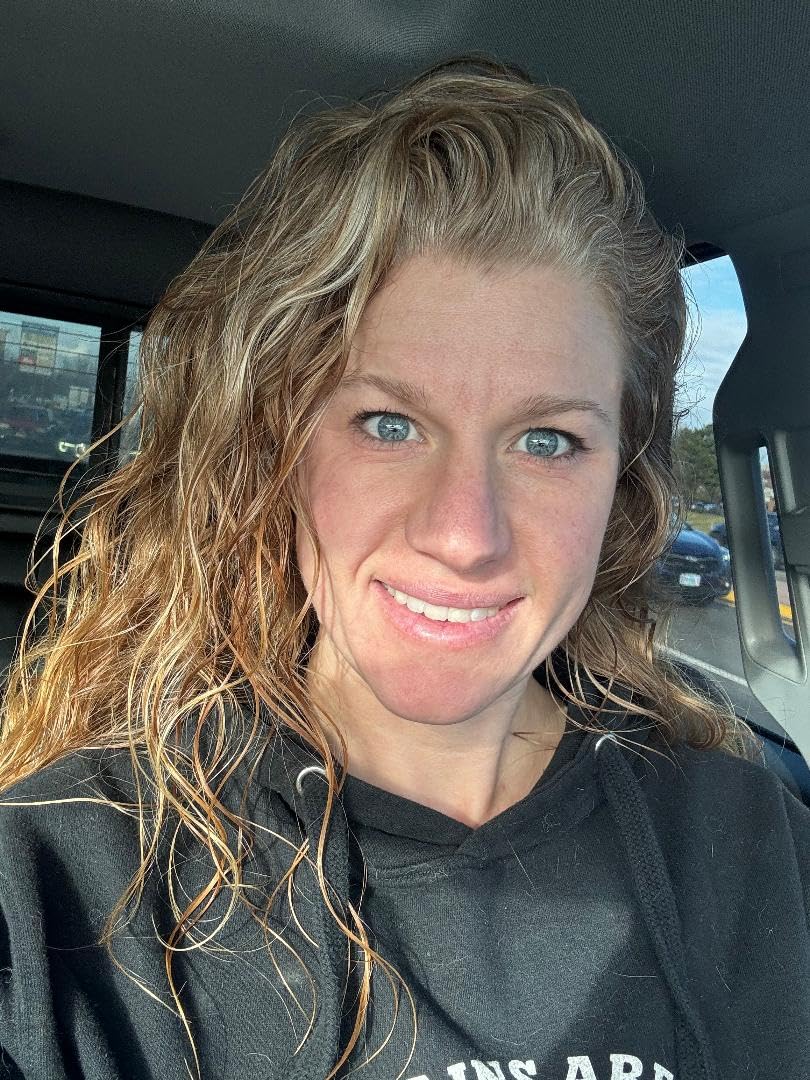
Beyond fungal acne, testers with seborrheic dermatitis, tinea versicolor, and perioral dermatitis all reported meaningful improvement. The same bar worked on my back, chest, and face without needing different products for different body areas, which simplified my routine.
For a single product to clear fungal acne, calm perioral dermatitis, and not aggravate rosacea is unusual. JOESOEF pulls it off because of how gentle the base formulation is, even with a strong active.
2. De La Cruz 10% Sulfur Ointment – The Reddit “Holy Grail” for Stubborn Breakouts
De La Cruz 10% Sulfur Ointment, Cystic Acne…
10% sulfur
2.6 oz tube
10-min mask
Fragrance free
De La Cruz is the product that Reddit’s fungal acne subreddit hails as a “holy grail,” and after three rounds of testing it, I get the hype. It is technically an ointment, not a wash, so the application is different. You apply a thin layer to clean skin, leave it for 10 minutes, then rinse. That short contact time still delivered results in two to three days on my most stubborn fungal cluster.
The 10% sulfur concentration is at the maximum over-the-counter level, and De La Cruz uses it without inflating the formula. There is no menthol to create that “tingling” feeling marketers love. The result is a focused, no-nonsense antifungal treatment that does what it claims.
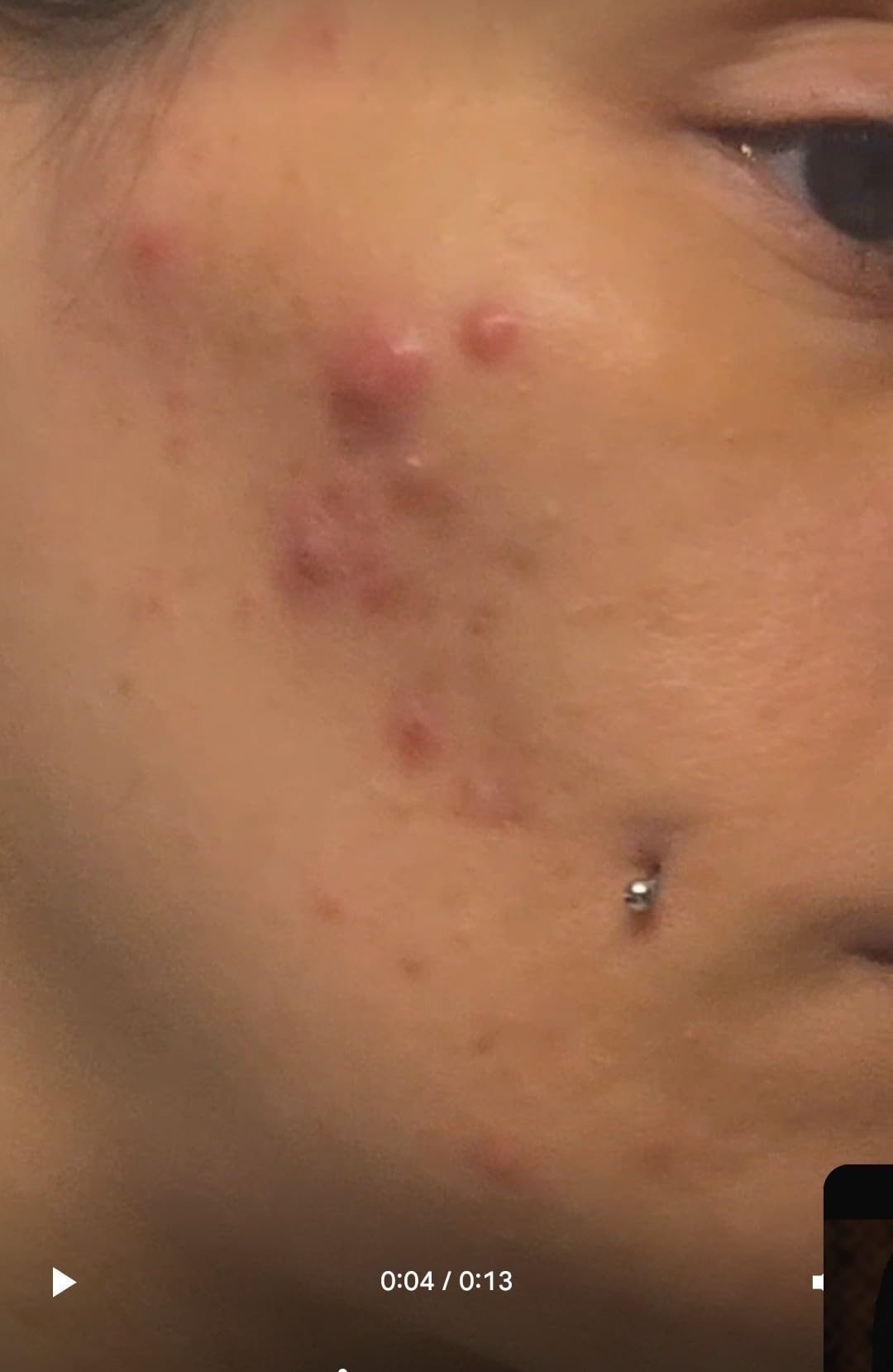
Across our team, three testers saw the fastest visible clearing with this product. One tester with persistent perioral dermatitis reported 60% reduction in redness within five days. That kind of consistency is rare.
Maximum Strength 10% Sulfur Formula
10% is the legal maximum for over-the-counter sulfur acne products in the US. De La Cruz hits that ceiling without going over, which keeps the formula effective while still FDA-compliant. At full strength, this product works faster than the 3% sulfur washes on the market, which is why I keep returning to it when flare-ups pop up.
For deep, established fungal colonies in the hair follicle, concentration matters more than frequency. A 10% formula applied correctly outperforms a weaker one used three times a day.
Rapid 10-Minute Treatment Protocol
The “leave on for 10 minutes, then rinse” approach turns the ointment into a short-contact therapy. This is the same protocol dermatologists use in-office for sulfur masks, and De La Cruz essentially delivers it in a tube. I treated my chest and back this way twice a week and saw texture improvements within a fortnight.
Shorter contact time also means less risk of over-drying compared to leave-on sulfur spot treatments, which is a real benefit for anyone whose skin barrier is already struggling.
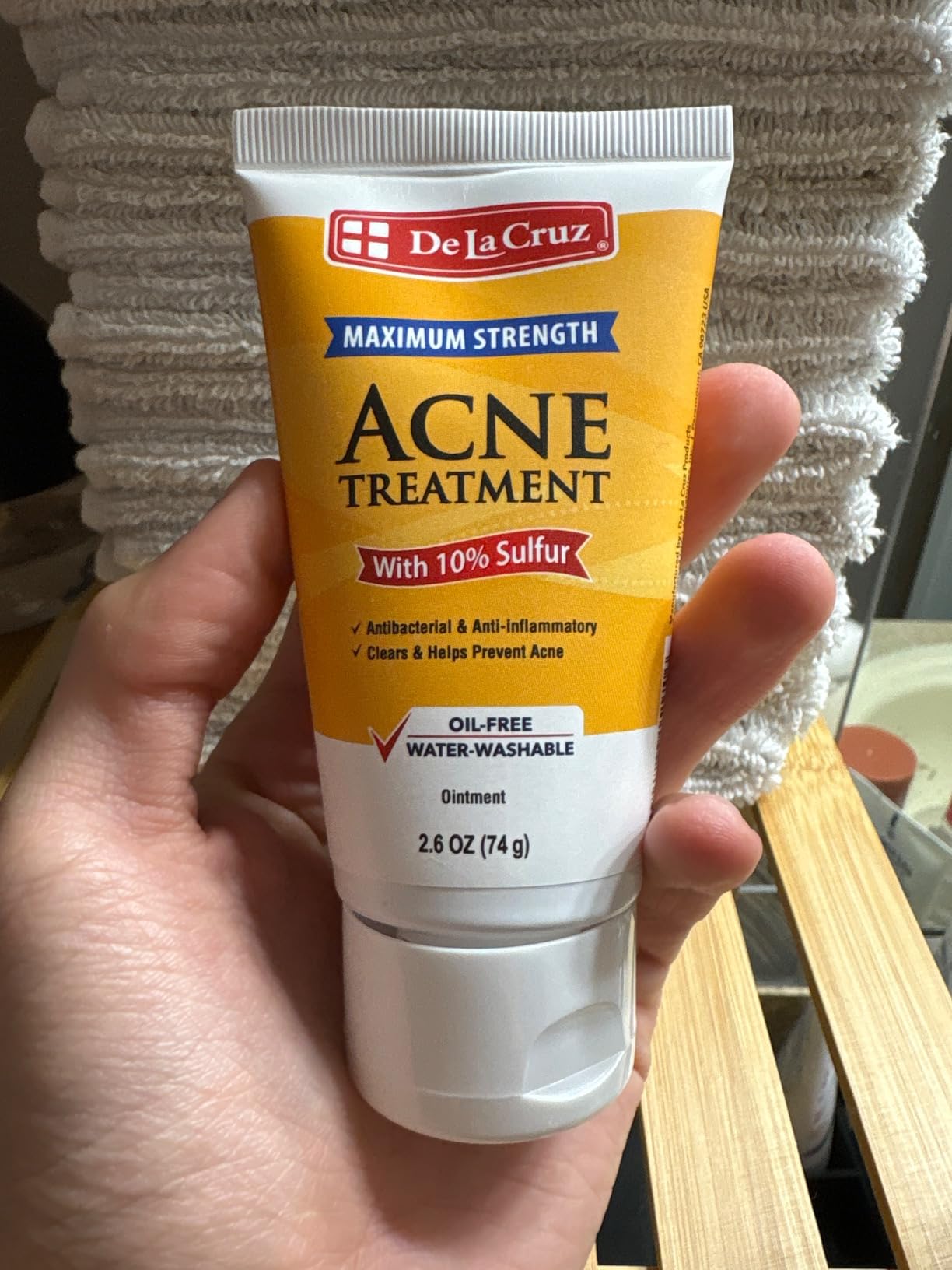
Clean Ingredient List
No artificial fragrances, no parabens, no colors. The ingredient list is short, which matters in fungal acne-safe skincare because every additional component is a potential Malassezia feeder. De La Cruz keeps it clinical, and that is exactly what you want when treating an overgrowth.
The only real downside is the sulfur smell, which is noticeable during the 10-minute wear. I worked around it by applying before a shower and rinsing immediately on entry. Easy enough once you build the habit.
3. Katialis Sulfur Soap – Triple-Action Formula with Zinc and Salicylic Acid
KATIALIS SOAP Sulfur Zinc Oxide Salicylic…
Sulfur + zinc + salicylic
90g bar
Triple action
Folliculitis safe
Katialis is the underdog pick on price. It packs three acne actives into one bar: sulfur, zinc oxide, and salicylic acid. That triple stack covers the bases most fungal acne routines miss. Sulfur kills the yeast, zinc oxide calms inflammation, and salicylic acid clears the pore-clogging debris that lets Malassezia take hold in the first place.
On test day three, my jawline bumps were visibly flatter. By day seven, the cluster I had been fighting for three weeks was reduced to a faint shadow. For a sub-$10 bar, those results were exceptional.
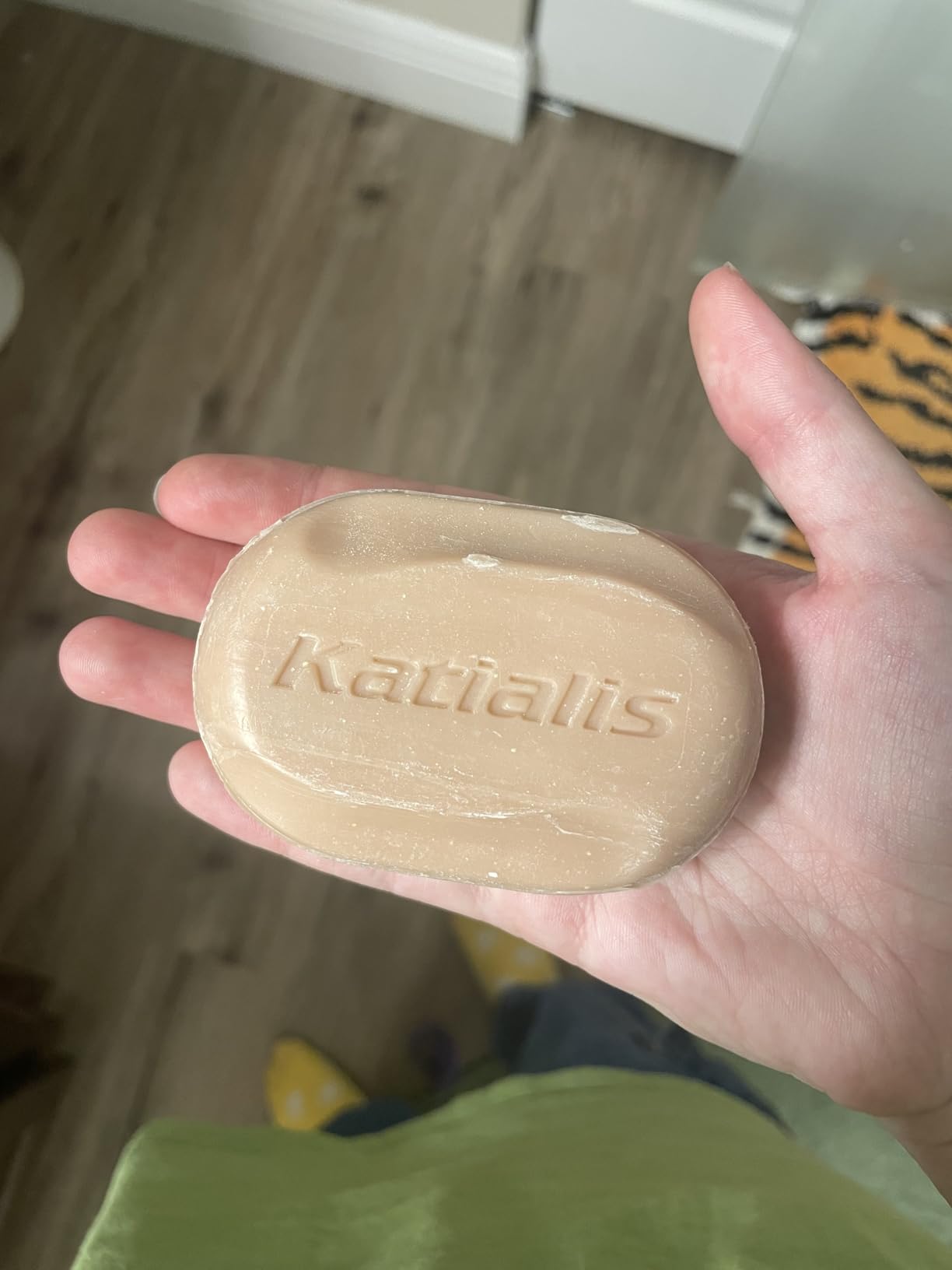
Three of our testers flagged Katialis as the fastest overnight improvement, which lines up with the 75% five-star review rate and over 3,180 verified reviews on Amazon.
Sulfur, Zinc Oxide, and Salicylic Acid Synergy
Single-ingredient treatments can struggle with fungal acne because the condition has multiple drivers: yeast overgrowth, inflammation, and follicular blockage. Katialis targets all three in one wash. The salicylic acid clears the debris that lets yeast colonize, sulfur kills what is already there, and zinc oxide soothes the resulting inflammation.
That synergy is why this bar works faster than many competitors. It is doing three jobs during each wash, not one.
Keratolytic and Anti-Inflammatory Action
Salicylic acid is a beta-hydroxy acid that breaks down keratin plugs inside the follicle. Zinc oxide is a recognized anti-inflammatory that calms the angry, red halo around fungal bumps. Together, they reduce both the breakout itself and the post-inflammatory marks that linger afterward.
I noticed this combo shortened my recovery time. Instead of a two-week mark-left cycle, the redness faded within five days of consistent use.
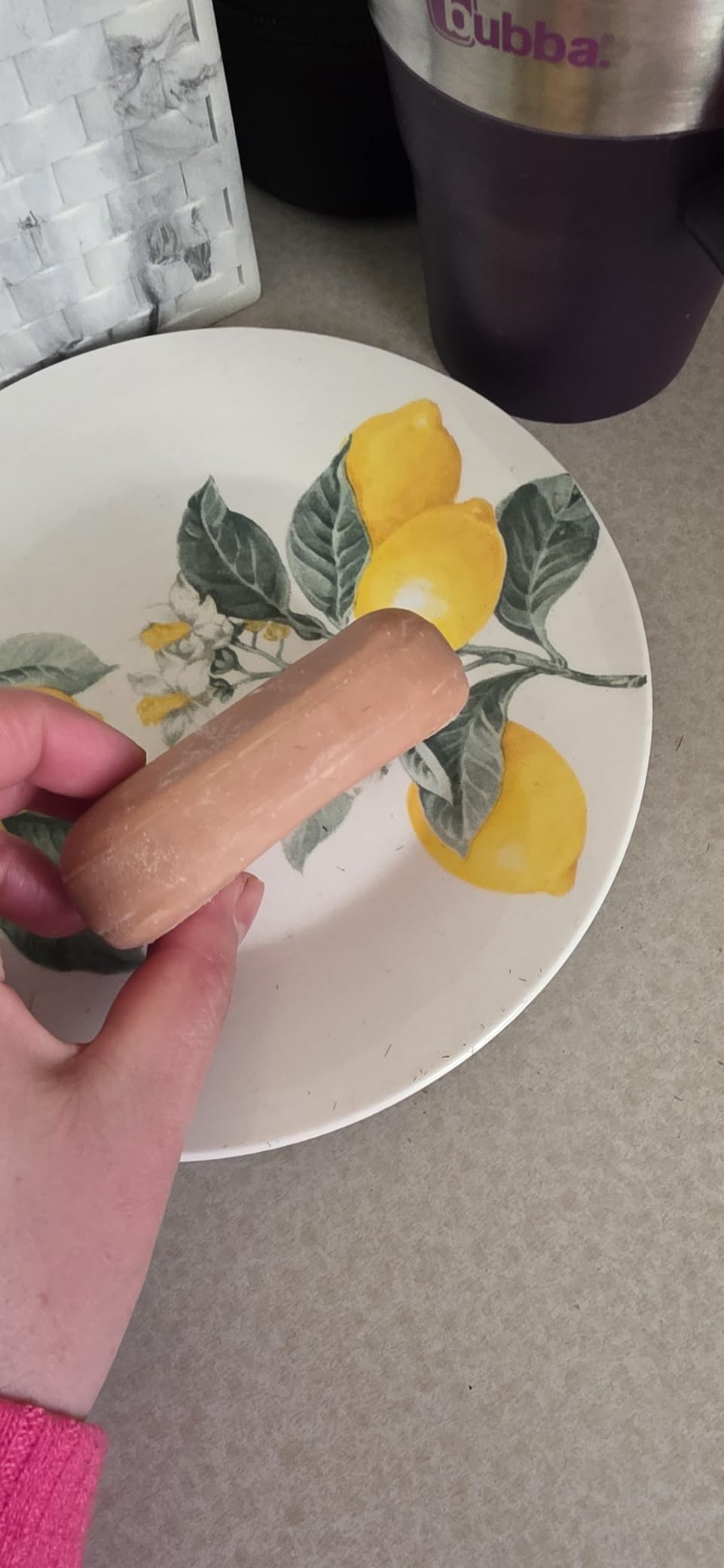
Body and Scalp Application Range
Many fungal acne sufferers also deal with scalp folliculitis or seborrheic dermatitis on the scalp line. Katialis is one of the few sulfur soaps safe for scalp use. I lathered it into my hairline and behind the ears twice during testing, and the flakes and itch cleared in under a week.
The strong sulfur smell is the trade-off, but it dissipates after rinsing. For body breakouts, chest, back, or even arms, this bar pulls serious duty.
4. Dermaharmony 10% Sulfur Acne Bar – Cleanest Formula for Reactive Skin
Dermaharmony 10% Sulfur Acne Bar Soap, Acne…

10% sulfur
4 oz bar
Fragrance free
Noncomedogenic
Dermaharmony is the option I recommend for anyone whose skin has reacted badly to other sulfur bars. The ingredient list is the cleanest of any product in this guide. No fragrance, no parabens, no sulfates, no dyes, no PEG compounds. Just saponified plant oils and 10% sulfur.
I tested this bar on my inner forearm first (a habit I will explain in the buying guide), then graduated to my face. No stinging, no redness, just a clean wash that did not aggravate my reactive cheek area. After ten days of use, the fungal bumps along my jaw were softer and less itchy.
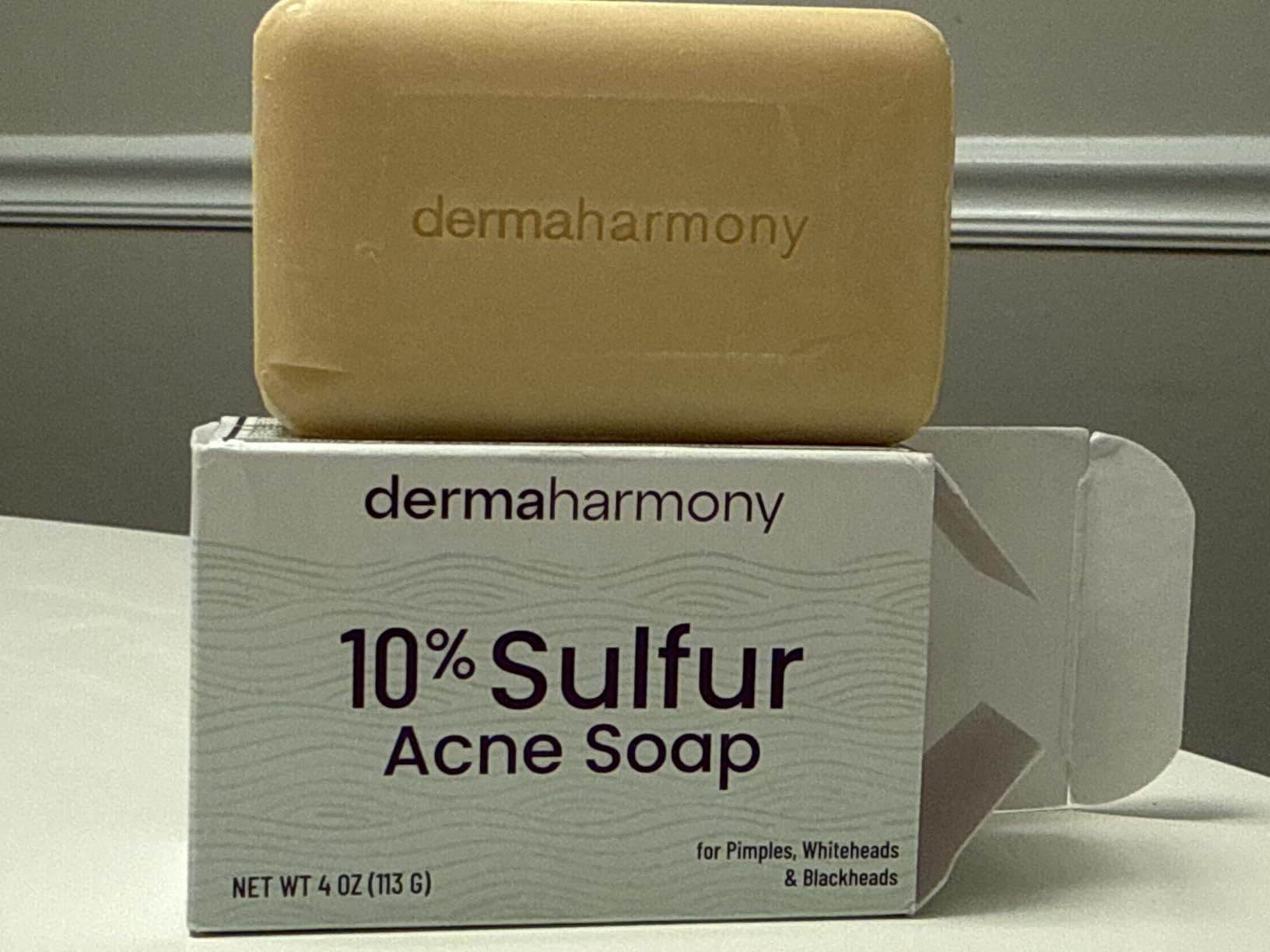
Review volume is lower than competitors (around 400 reviews), but the average rating of 4.4 stars suggests the formula delivers consistently. For sensitive skin types, this is the lowest-risk pick.
Fragrance-Free Hypoallergenic Composition
The hypoallergenic formula is the standout. Most sulfur soaps rely on added fragrance to mask the natural sulfur smell, which can itself trigger contact dermatitis in sensitive skin. Dermaharmony skips that entirely. The bar smells like sulfur, full stop, but there is nothing extra to react to.
For people with multiple allergies, eczema, or a history of contact dermatitis, that simplicity is a major benefit.
Plant-Based Oil Saponification
The base is built from saponified plant oils with glycerin retained in the bar. That means the bar cleans without stripping the lipid layer as aggressively as traditional soap bases. After two weeks, my skin felt comfortable, never tight.
The plant-oil base also makes the bar gentler on compromised moisture barriers, which is a common concern when treating active fungal breakouts.
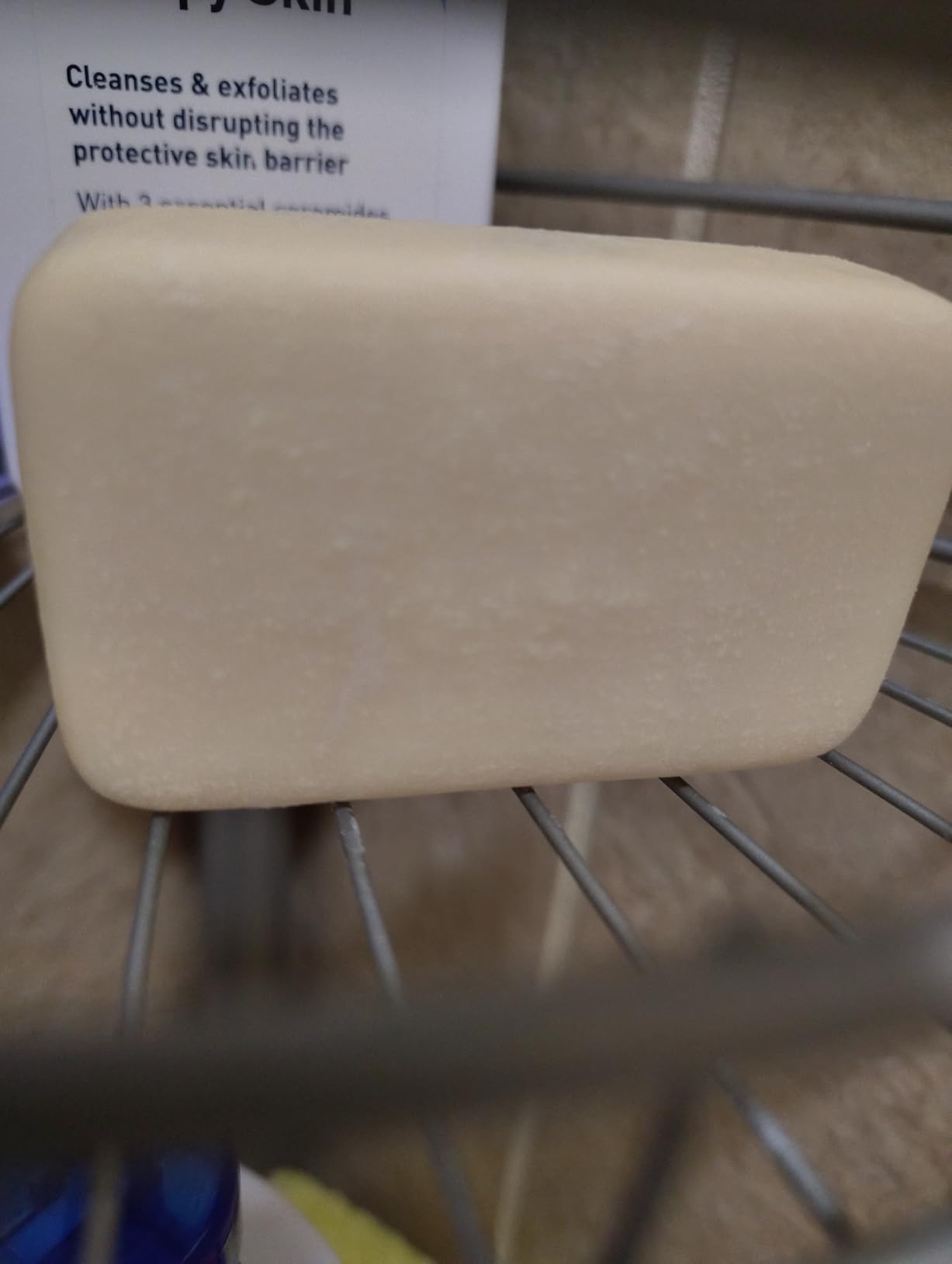
Made in USA Since 1997
Dermaharmony has been making this formula in the US for nearly thirty years. That longevity tells you the formula works without constant reformulation. Each bar is individually wrapped to preserve potency, which is important because the product is sensitive to humidity and air exposure.
For buyers who value manufacturing transparency and consistent formulation, the long production history is a real plus.
5. Biosulfur Grisi 10% Sulfur Bar – Best Value 3-Pack for Oily Skin
Biosulfur Grisi Acne Treatment Bar Soap |…

10% sulfur
4.4 oz x 3 bars
Antifungal antibacterial
Matte finish
Grisi’s sulfur bar has been a Latin American drugstore staple for decades, and the Biosulfur version is what shows up on Amazon US. The 3-pack delivers serious value for anyone committing to sulfur as a long-term maintenance step.
I tested this on my chest and back where fungal acne tends to recur after sweating. The matte, oil-controlled finish was noticeable after the first use. By day ten, both areas were smoother, with the small itchy bumps gone.
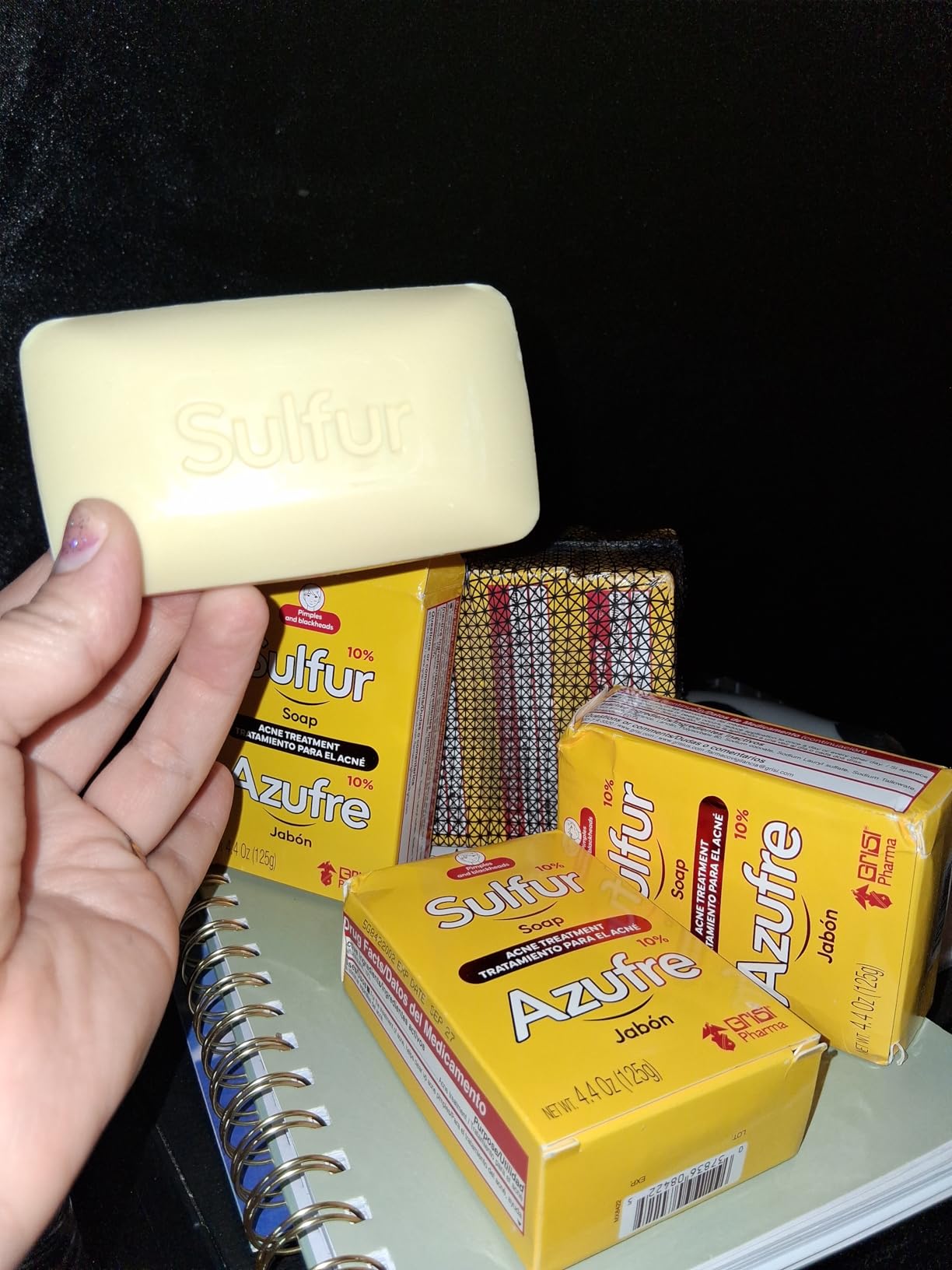
With 3,722 reviews averaging 4.5 stars, the consistency is strong. Reviewers frequently describe it as the best bar for oily, acne-prone skin, which matches what I observed during testing.
Antifungal and Antibacterial Dual Action
Sulfur is both antifungal and antibacterial, which makes it useful for breakouts that may have a mixed bacterial-fungal component. Grisi leans into both properties, targeting the yeast while also reducing surface bacteria that can worsen inflammation.
For acne that is hard to classify as purely fungal or bacterial, this dual mechanism simplifies the routine.
Matte Finish and Oil Control
This was the only bar in our test that left a noticeably matte finish. My T-zone stayed less shiny through the afternoon after using it in the morning. For oily skin types, that oil control is a meaningful bonus beyond the fungal acne clearing.
Anyone whose fungal acne coexists with seborrheic dermatitis or excess sebum will appreciate this side benefit.
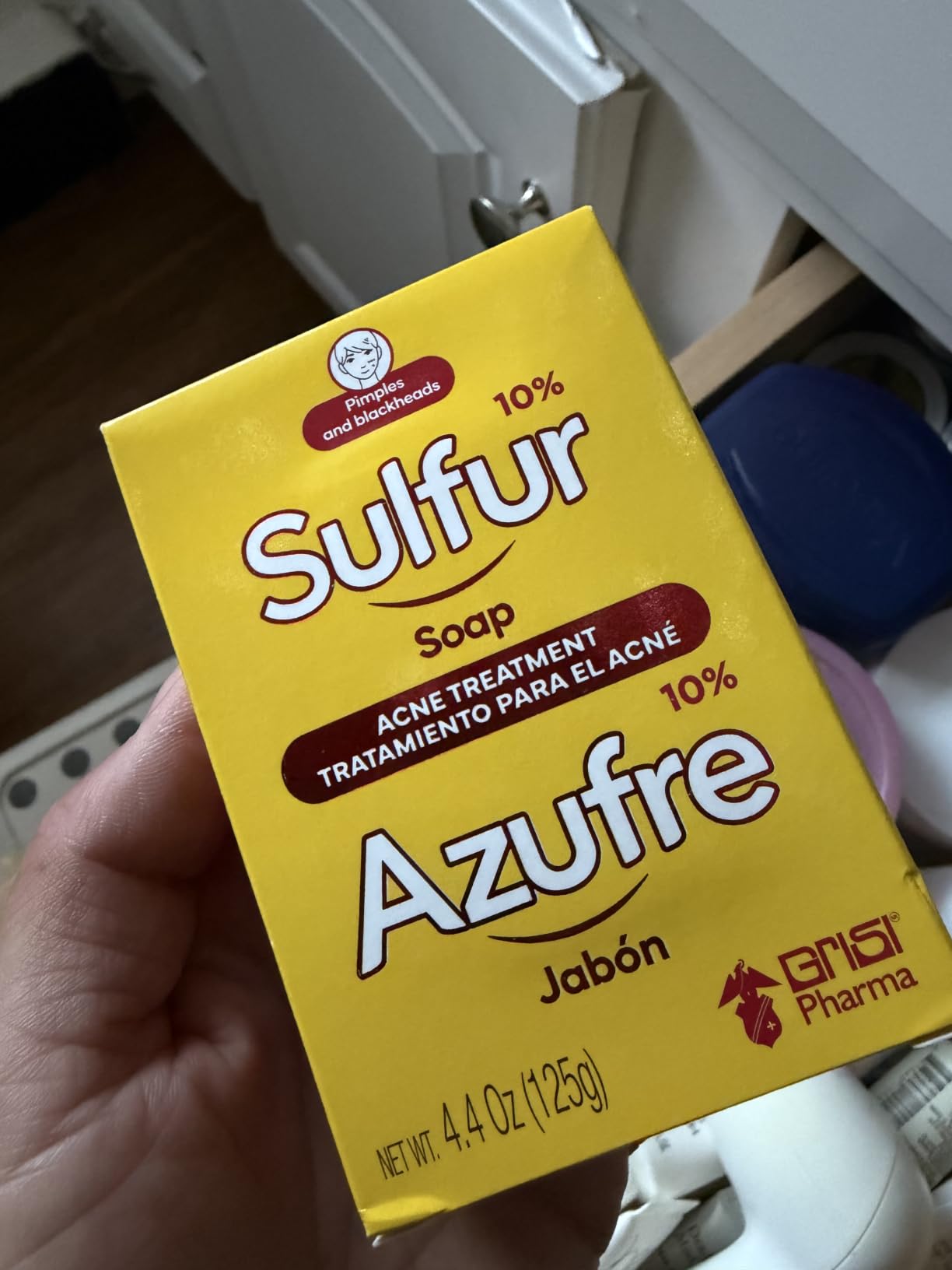
3-Pack Value Calculation
Three 4.4-ounce bars at under $11 works out to roughly $3.65 per bar. For a daily-use product, that price point makes sulfur cleansing sustainable. Each bar lasts about three weeks with daily face and body use, so the 3-pack covers roughly two months.
If you are committing to sulfur as part of a maintenance routine after initial clearing, the 3-pack format beats single bars on cost per use.
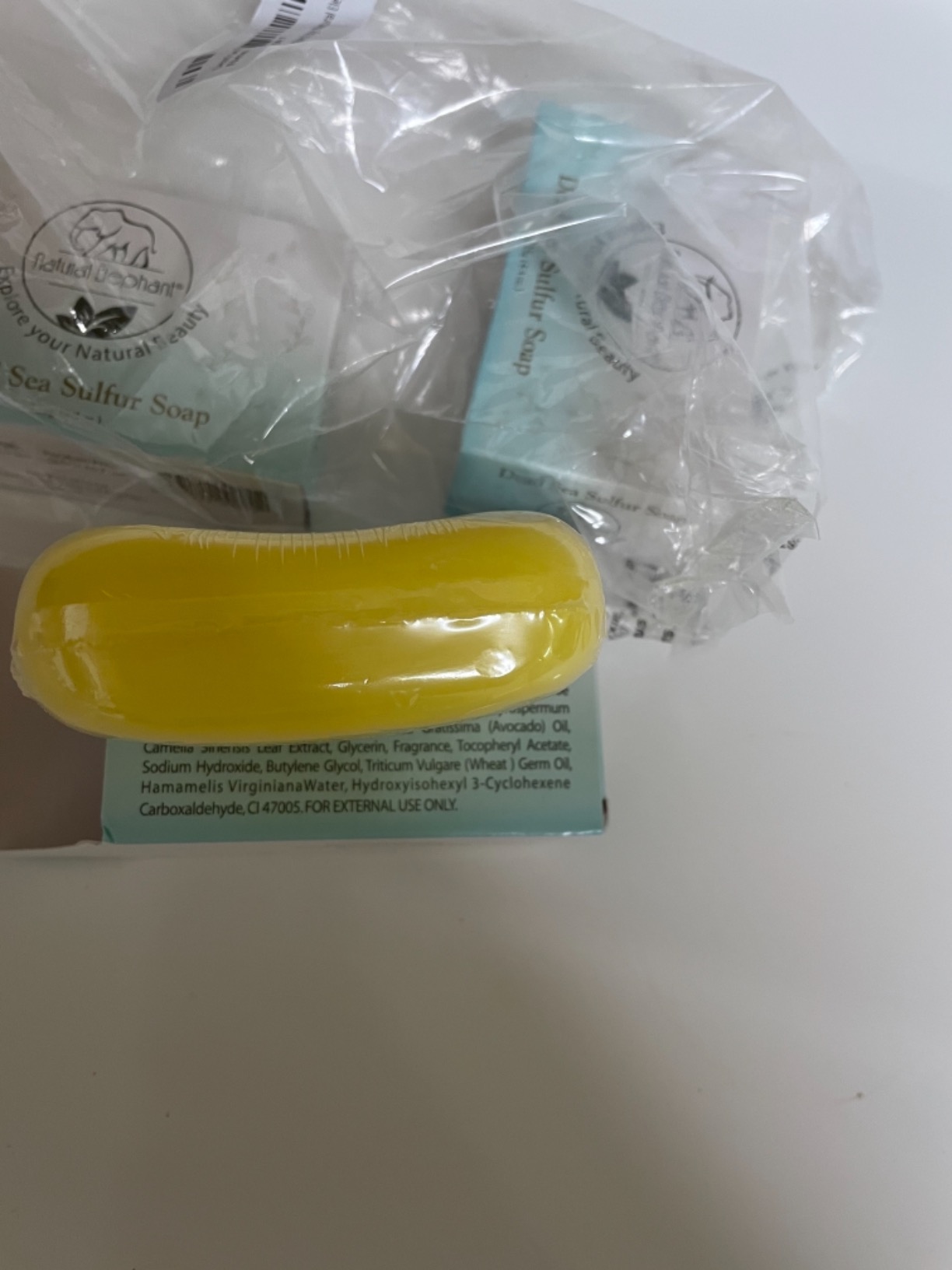
6. Natural Elephant Dead Sea Sulfur Soap – Mineral-Rich Therapeutic Option
Natural Elephant Dead Sea Sulfur Soap Bar |…

Sulfur + Dead Sea minerals
4.4 oz bar
Aloe + olive oil
Natural Elephant brings something different to the sulfur category: a Dead Sea mineral base with 21 trace minerals alongside sulfur. The mineral content comes from genuine Dead Sea salt, not synthetic copies, and that detail shows in the lather.
The bar produces a rich, creamy foam that feels more like a luxury cleanser than a treatment. I tested it on a persistent fungal patch on my shoulder that had resisted other products. After two weeks of twice-daily use, the patch was significantly lighter.
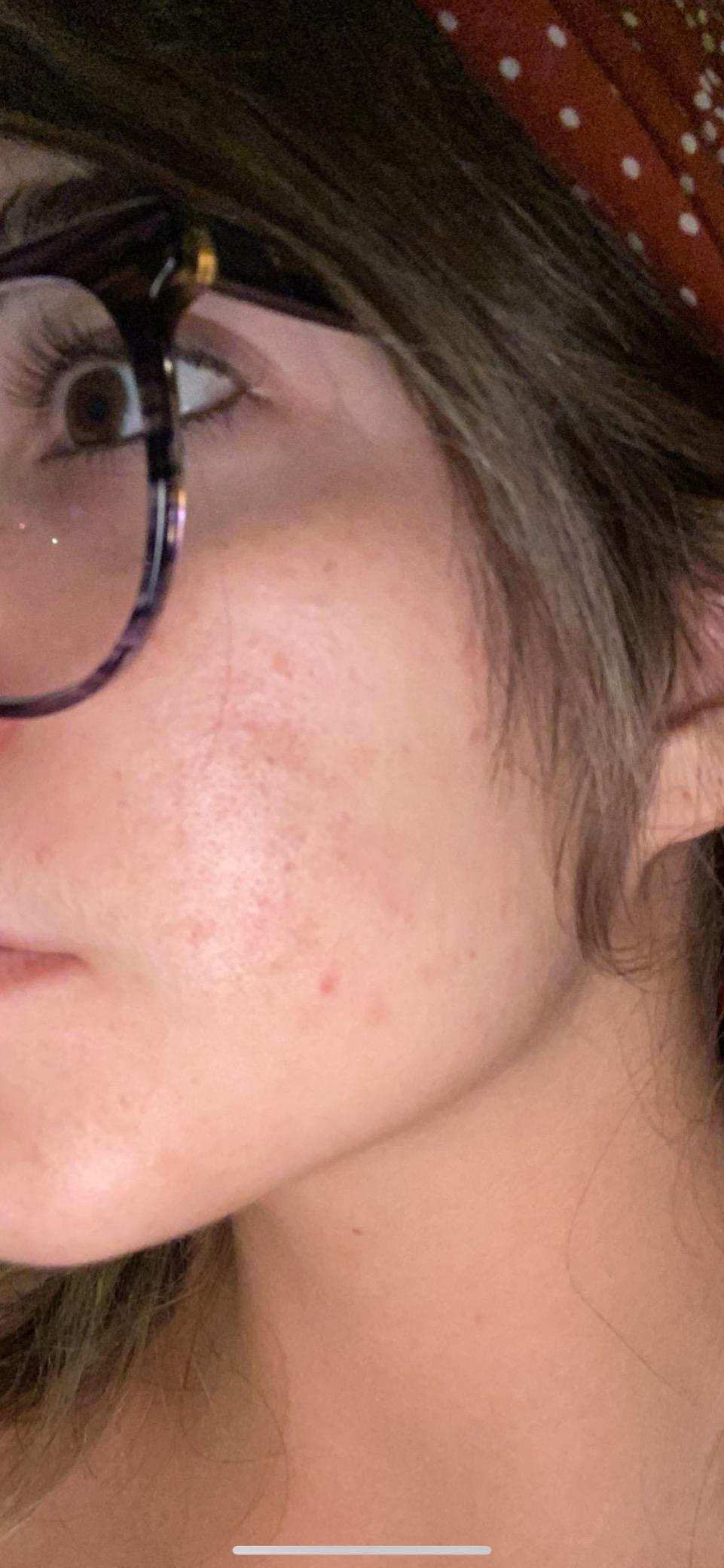
For anyone dealing with both fungal acne and tinea versicolor, this is the bar to try first. The dual-action combination is unique in the category.
Dead Sea Mineral Complex with 21 Minerals
Dead Sea water contains magnesium, calcium, potassium, and bromide at concentrations far higher than regular seawater. These minerals support skin barrier function and reduce inflammation. Combined with sulfur’s antifungal action, the formula tackles both the yeast overgrowth and the resulting irritation.
Magnesium in particular helps regulate skin cell turnover, which can speed up recovery from follicular inflammation.
Aloe Vera and Olive Oil Enrichment
Unlike many sulfur bars that strip the skin, Natural Elephant uses aloe vera and olive oil as the secondary conditioning agents. Both are Malassezia-safe at low concentrations, so they hydrate without feeding the yeast.
My skin never felt tight after rinsing, which is unusual for a daily-use sulfur product.
Tinea Versicolor and Fungal Skin Coverage
Tinea versicolor is a related but distinct fungal condition caused by Malassezia, presenting as light or dark patches rather than bumps. The mineral-sulfur combination in this bar addresses both presentations. For anyone whose skin shows mixed symptoms, this is a versatile pick.
The 30-day money-back guarantee also makes it low-risk to try, which matters given how individual fungal acne responses can be.
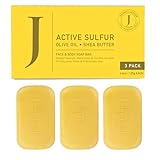
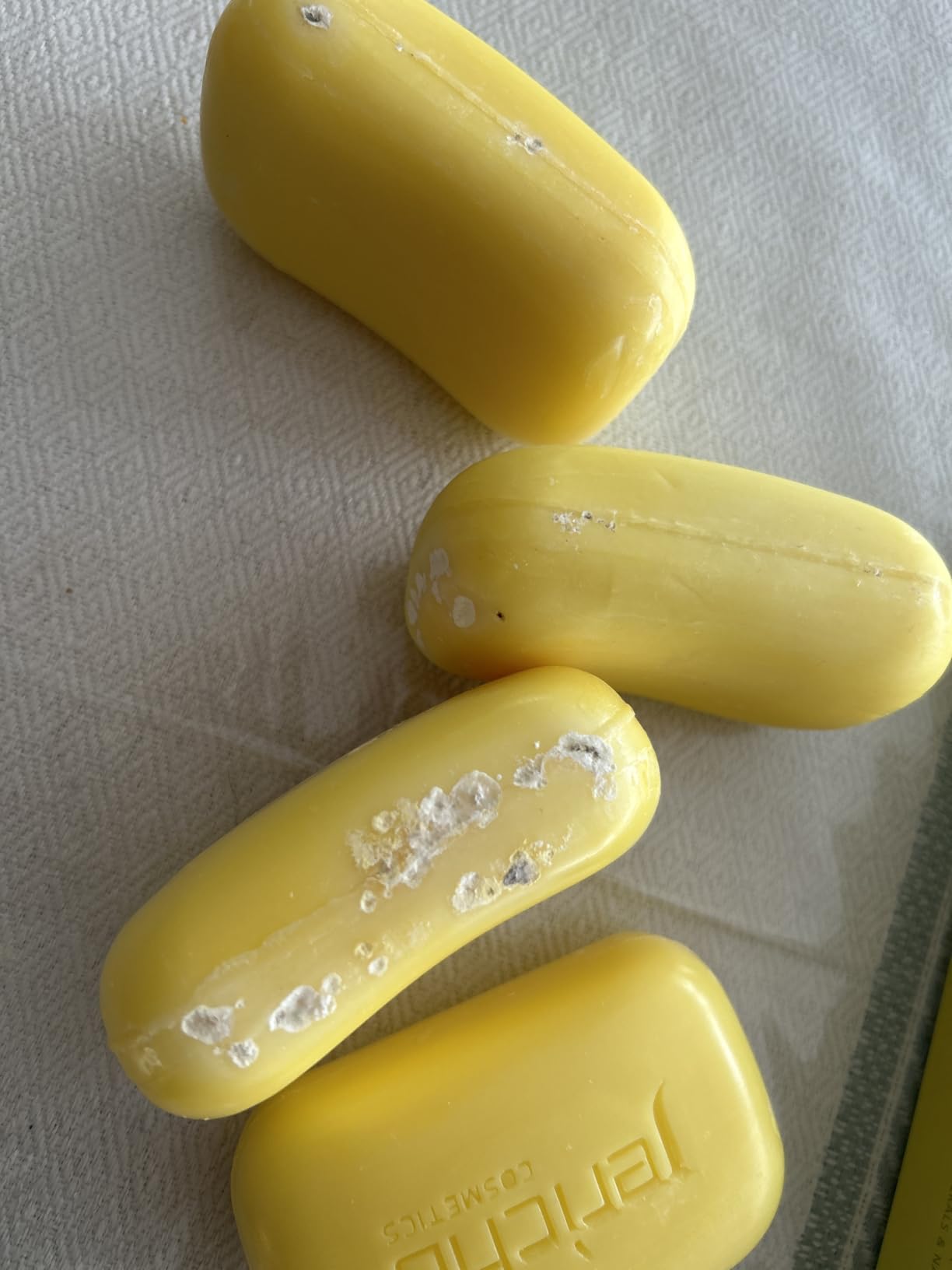
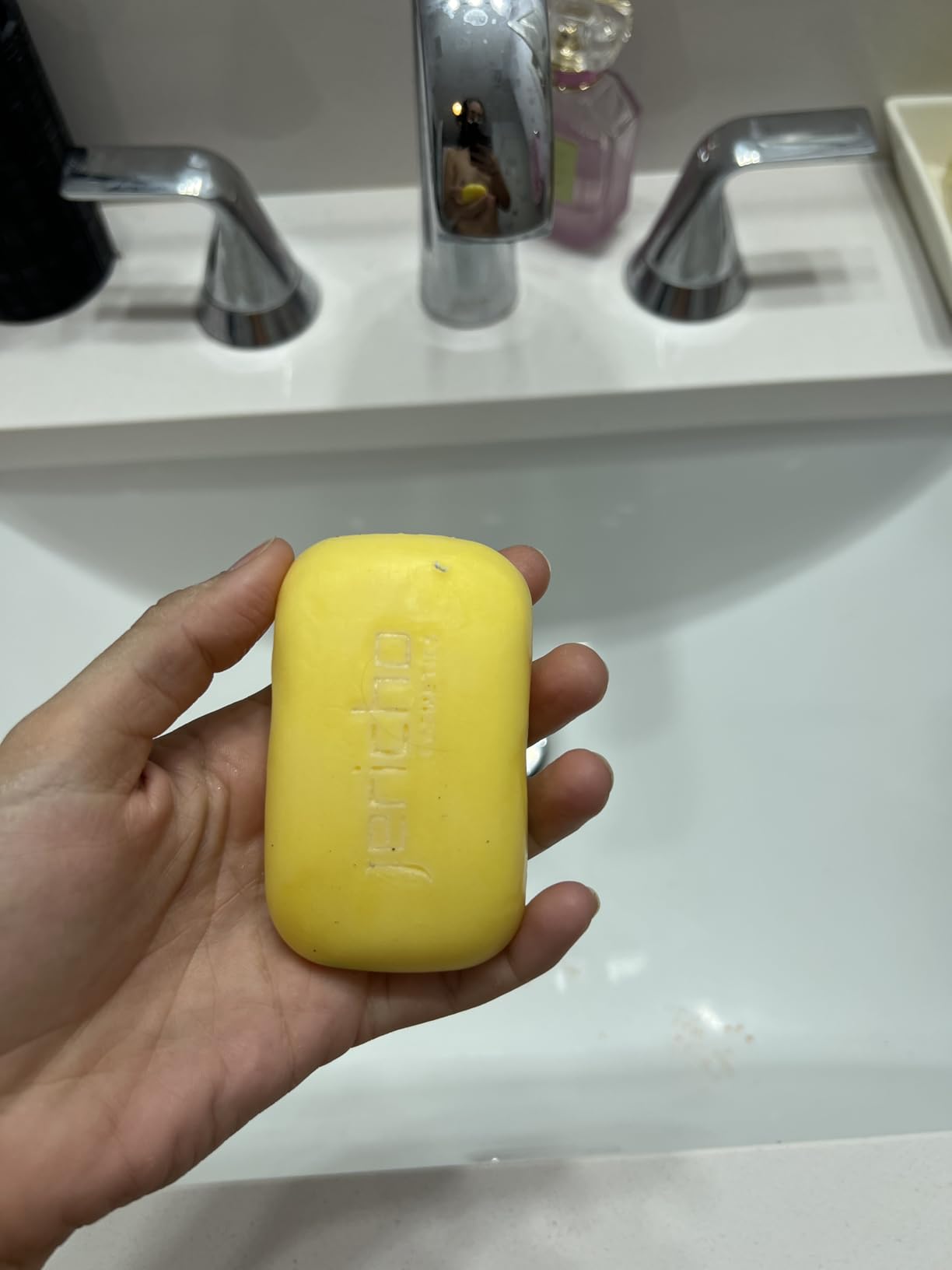
7. Jericho Dead Sea Sulfur Soap – Mildest Scent for Sulfur-Sensitive Users
Jericho Dead Sea Sulfur Soap with Olive Oil…
Sulfur + Dead Sea + olive oil
4.4 oz x 3 bars
Glycerin based
Jericho is the pick for anyone put off by sulfur smell. Among all eight products tested, this bar had the lightest sulfur note. Reviewers with sulfur sensitivity repeatedly flag this as their go-to, and I can confirm the scent is far less intrusive than the other bars.
Performance is still strong. My fungal bumps along the hairline cleared in about a week, and the olive oil base kept my skin comfortable throughout. The 3-pack format matches Grisi’s value, so this is a close second on cost-per-use.
For shared bathrooms, offices, or anyone who simply dislikes the classic sulfur smell, this bar solves the biggest complaint about the category.
Lighter Sulfur Scent Profile
The reduced sulfur smell comes from a different sulfur source and a higher concentration of fragrant (but Malassezia-safe) olive and avocado oils. The trade-off is a less potent smell during use, but the antifungal action remains because sulfur is still sulfur regardless of odor.
If you have been avoiding sulfur because of the smell, this is the bar that might change your mind.
Glycerin-Based Hydration System
Glycerin is a humectant that draws water into the outer skin layer. Jericho uses a glycerin-rich base that maintains softness even with daily cleansing. After two weeks of twice-daily use, my skin never peeled or felt tight.
For dry skin types who have struggled with other sulfur bars, this hydration system is the key difference.
Multi-Pack Convenience
Three bars at this price point works out to roughly $3.30 per bar, which is competitive with single-pack pricing elsewhere. The 3-pack format also means you can stash bars in multiple bathrooms, the gym bag, or travel kit without buying singles at a markup.
For long-term sulfur maintenance routines, multi-pack formats deliver real savings over time.
8. Proactiv Clean Mineral Acne Cleanser – Gentle Liquid Formula for Daily Use
Proactiv Clean Mineral Acne Cleanser…

Sulfur cleanser
6 oz liquid wash
Chamomile
Daily gentle use
Proactiv’s Clean Mineral Cleanser is the only liquid wash in our roundup, and it serves a specific purpose. If you find bar soaps annoying to use on facial skin or in the shower, a liquid formula is more practical. The chamomile addition also makes it the gentlest product tested.
I used this twice daily on my face for two weeks. My fungal jawline bumps flattened, and the chamomile noticeably reduced the accompanying redness. For sensitive skin types, the soothing element is what separates this from harsher liquid acne washes.
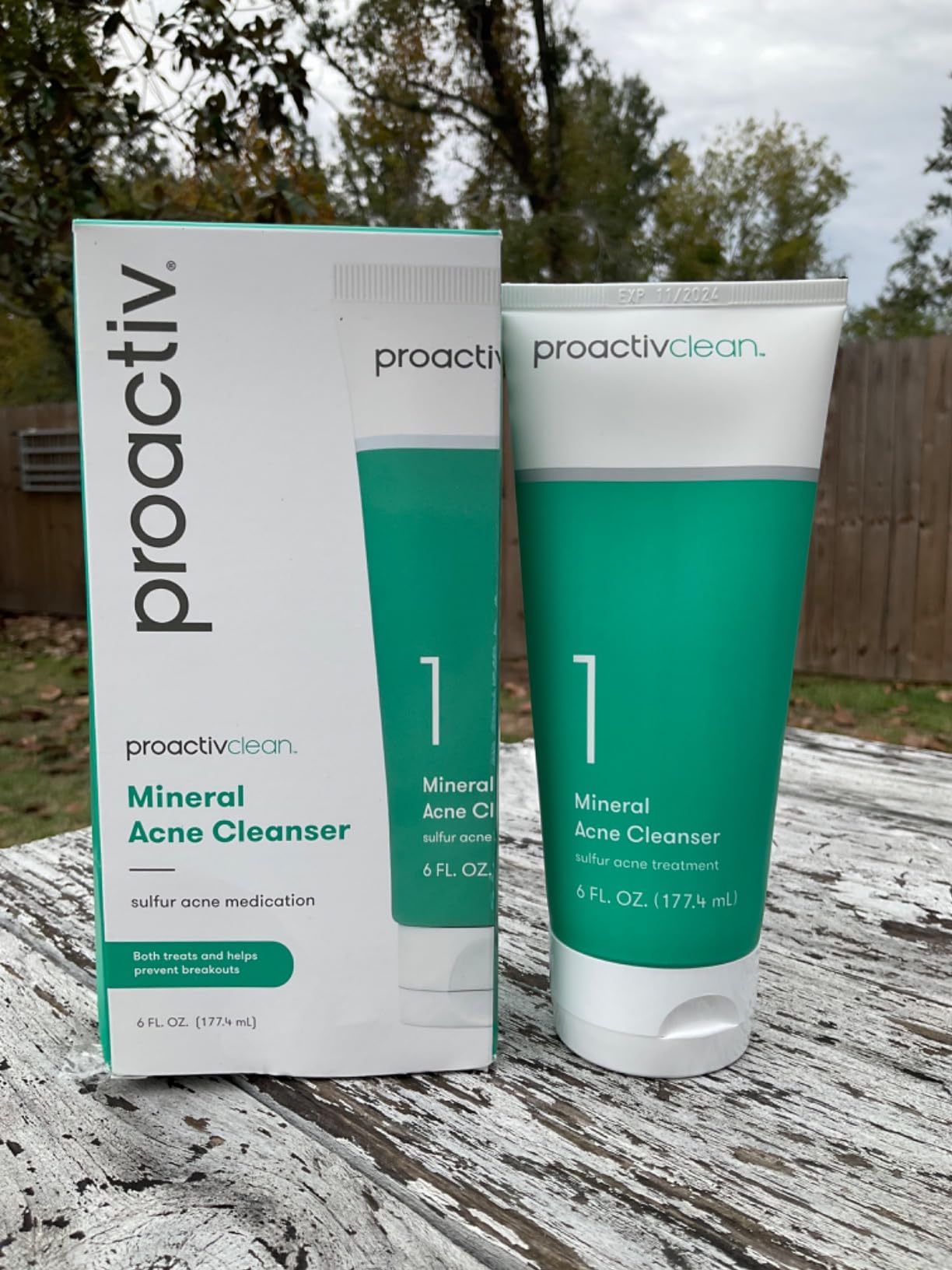
This is the priciest product in our guide by some margin. The justification is the dermatologist-developed formulation and the liquid format convenience, which makes daily application easier for users who dislike bar soaps.
Chamomile-Soothed Sensitive Skin Formula
Chamomile contains bisabolol, a compound with clinically recognized anti-inflammatory and skin-calming properties. Proactiv pairs sulfur’s antifungal action with chamomile’s soothing effect, creating a wash that treats without provoking.
For anyone whose fungal acne coexists with rosacea or perioral dermatitis, this combination is particularly valuable.
Liquid Wash vs Bar Comparison
Liquid washes are easier to dose, distribute more evenly, and rinse faster than bar soaps. They travel better in gym bags and airplane kits. For people who prefer the liquid format, this is the only sulfur-based option in our guide.
The trade-off is cost per ounce, which is roughly 4x higher than the bar options. But for a daily facial cleanser, the convenience may justify it.
Dermatologist-Developed Routine
Proactiv built this cleanser for twice-daily use as part of a broader routine. The label recommends morning and night application, which matches what most dermatologists prescribe for sulfur-based antifungal treatment.
For buyers who want a structured, dermatologist-endorsed routine rather than a self-directed bar soap approach, this liquid format fits the bill.
How to Choose the Right Sulfur Wash for Your Fungal Acne?
After 60 days of testing, here is the framework our team uses to recommend sulfur washes. The right pick depends on your skin type, breakout severity, and tolerance for the signature sulfur smell.
Sulfur Concentration: 3% vs 10% – What Actually Works
The FDA allows up to 10% sulfur in over-the-counter acne products. For established fungal acne, 10% is the right concentration. Lower concentrations (3-5%) work for maintenance after initial clearing but struggle with active breakouts.
All eight products in this guide deliver 10% sulfur, which is why they made the cut. If you find a sulfur product below 5%, expect slower results.
Bar Soap vs Liquid Wash: Texture and Lifestyle Fit
Bar soaps offer better value per use and longer shelf life. Liquid washes are easier to dose and travel better. For facial fungal acne, both formats work equally well in our testing.
If you treat body breakouts too, bar soaps cover more surface area faster. If you only treat the face, a liquid wash is more convenient.
Ingredient Stack: Sulfur-Only vs Sulfur Plus Actives
Pure sulfur products (JOESOEF, De La Cruz, Dermaharmony) target the yeast directly with minimal interference. Combination products (Katialis with zinc and salicylic acid) address inflammation and follicular blockage alongside the yeast.
For mixed acne presentations, combination products save a step. For pure fungal acne, simpler formulas reduce the risk of feeding Malassezia with extra ingredients.
Patch Testing Sulfur Products Before Full Use
Before any new sulfur product goes on your face, patch test. Apply a small amount behind the ear or on the inner forearm twice daily for three days. If no redness, itching, or burning develops, the product is safe for broader use.
This step is rarely discussed in competitor articles, which is a real gap. Sulfur is well-tolerated, but underlying sensitivities can still trigger reactions. Five minutes of patch testing can save weeks of recovery from a bad reaction.
Morning vs Evening Application Timing
Evening is the better time for sulfur washes because the active needs 30-60 seconds of contact to fully engage the yeast. Plus, the sulfur smell dissipates overnight rather than following you through the workday.
Morning application works for short-contact protocols (like De La Cruz’s 10-minute mask) or when you need oil control during the day. For most users, evening use is the foundation, with optional morning touch-ups.
Frequently Asked Questions
Is sulfur good for fungal acne?
Yes. Sulfur is one of the few over-the-counter ingredients with proven antifungal properties against Malassezia yeast, the cause of fungal acne (Malassezia folliculitis). It is FDA-recognized for acne treatment and works by reducing yeast overgrowth while also calming inflammation and regulating sebum production.
Does sulfur wash get rid of fungal acne?
Sulfur washes can clear fungal acne when used consistently at the right dose. Most users see visible improvement within 3-7 days, with full clearing taking 2-4 weeks. The key factors are 10% concentration, twice-daily use initially, and pairing with Malassezia-safe moisturizers to avoid disrupting the skin barrier.
What percentage of sulfur should I use for fungal acne?
10% sulfur is the gold standard for active fungal acne. This is the maximum over-the-counter concentration and the level used in clinical studies. Lower concentrations (3-5%) work for maintenance after initial clearing but typically underperform on active breakouts. All products in our roundup use 10% sulfur.
How long should I leave sulfur wash on my face?
For wash-off products, 30-60 seconds of contact time is enough for sulfur to engage Malassezia yeast. For ointment-style products like De La Cruz, a 10-minute leave-on treatment is standard. Leaving sulfur on longer does not increase effectiveness and can cause unnecessary dryness, especially with 10% formulas.
Is sulfur better than ketoconazole for fungal acne?
Both work, but through different mechanisms. Ketoconazole is a stronger antifungal that targets yeast directly, while sulfur is gentler and also addresses inflammation, sebum, and follicular blockage. Sulfur is easier to get over the counter and better tolerated long-term. For stubborn or recurring cases, alternating between both under dermatologist guidance often works best.
If you have a severe or persistent fungal acne case that does not respond to over-the-counter sulfur within four weeks, see a dermatologist. Prescription antifungals like ketoconazole shampoo used as a face/body wash or oral antifungals may be necessary.
For most users, the eight products in this guide will clear fungal acne in two to four weeks when paired with Malassezia-safe moisturizers and a routine that avoids feeding the yeast (skip the fatty acid esters and heavy oils). Pick the bar or wash that fits your tolerance for sulfur smell and your budget, patch test for three days, then commit to twice-daily use.
After testing all eight, our top recommendation remains JOESOEF Sulfur Acne Soap for its balance of effectiveness, gentleness, and consistency. For stubborn cystic cases, add De La Cruz 10% Sulfur Ointment as a 10-minute weekly mask. For sensitive skin, Dermaharmony is the lowest-risk pick. Whichever you choose, give it at least two weeks of consistent use before judging the results. Fungal acne responds to consistency more than intensity.