
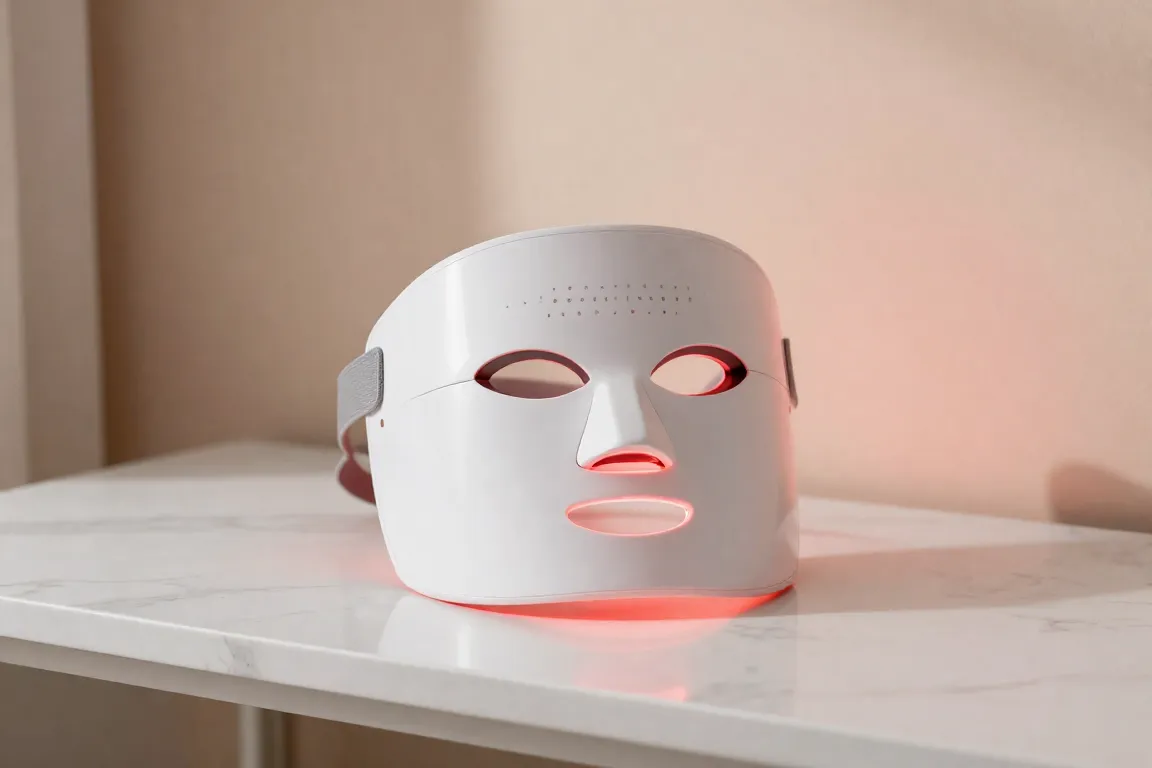
If you have ever stared at your LED face mask and wondered whether you are using it too much or not enough, you are not alone. In every skincare forum I have browsed, the same question comes up again and again: how often should you really use an LED face mask? Some people swear by daily sessions, while others insist three times a week is the sweet spot. The conflicting advice is enough to make anyone second-guess their routine.
I have spent months testing different LED mask frequencies, digging through clinical research, and reading hundreds of real user experiences to cut through the noise. What I found is that the answer is more nuanced than a single number, but there is a clear baseline that works for most people.
The general recommendation from dermatologists and clinical studies is to use your LED face mask 3 to 5 times per week, for 10 to 20 minutes per session. But your skin type, the specific wavelengths you are using, and your treatment goals all shift that baseline. In this guide, I will break down exactly how to find your ideal frequency, when to use your mask, and how to tell if you are overdoing it.
The Short Answer: How Often Should You Use an LED Face Mask?
For most people, the sweet spot is 3 to 5 sessions per week, lasting 10 to 20 minutes each. This frequency gives your skin cells enough repeated stimulation to trigger collagen production and cellular repair without overwhelming the tissue. Clinical research on photobiomodulation consistently shows that consistent, moderate exposure outperforms aggressive daily use.
If you are treating active acne with blue light, you can push toward the higher end: 4 to 7 times per week. Blue light targets the bacteria responsible for breakouts, and acne-prone skin tends to tolerate more frequent sessions. For anti-aging goals with red or near-infrared light, 3 to 4 times per week is typically plenty. The goal is sustained energy delivery to your cells, not a daily flood of light.
Some modern masks offer very short programs of 3 to 5 minutes, and several of my readers have asked whether daily use makes sense with these shorter sessions. The answer is yes, if your device is designed for it. A 3-minute daily session delivers roughly the same total light energy as a 15-minute session done every few days. Always check your manufacturer’s specific guidance, because the recommended frequency is tied directly to the irradiance (light intensity) of your device.
How LED Light Therapy Actually Works
LED light therapy works through a process called photobiomodulation. When specific wavelengths of light hit your skin, they are absorbed by mitochondria inside your cells. Think of your mitochondria as tiny power plants. Light energy kicks those power plants into higher gear, boosting production of ATP, which is the fuel your cells use to repair damage and regenerate tissue.
This is not marketing jargon. Photobiomodulation has been studied for decades in wound healing, pain management, and dermatology. The same cellular mechanism that helps a wound heal faster is what makes your skin look smoother and more even after consistent LED use.
What makes LED therapy versatile is that different wavelengths penetrate to different depths and trigger different responses. Here is a quick breakdown of the most common light colors and what they do:
Red light (630 to 660 nm) penetrates about 8 to 10 millimeters into the skin. It stimulates collagen and elastin production, which helps reduce fine lines and improves overall firmness. This is the wavelength most people associate with anti-aging benefits.
Near-infrared light (810 to 850 nm) goes deeper still, reaching the dermal layer where inflammation lives. It reduces redness, calms irritation, and supports tissue repair. Many high-quality masks combine red and near-infrared for a synergistic effect.
Blue light (415 to 465 nm) stays near the surface and targets Cutibacterium acnes, the bacteria responsible for acne breakouts. It is the go-to wavelength for anyone dealing with persistent pimples or oily skin.
Amber or yellow light (570 to 590 nm) soothes redness and supports lymphatic flow. It is less commonly discussed but valuable for sensitive or rosacea-prone skin.
Session Duration: How Long Should Each Treatment Be?
The standard recommendation is 10 to 20 minutes per session. This range exists because LED therapy follows a principle called the biphasic dose response. In plain terms, there is a sweet spot where light delivers maximum benefit to your cells. Below that dose, you get minimal results. Above it, the benefit plateaus and can even reverse slightly.
I learned this the hard way. When I first got my LED mask, I assumed longer sessions would speed up my results. I was doing 30-minute sessions daily for two weeks and saw no improvement beyond what I got from standard 15-minute sessions every other day. My skin actually looked slightly more flushed than usual, which I later realized was a sign I was pushing past the effective dose.
Here is a simple way to think about session length based on your device type:
High-irradiance clinical-style masks: 10 minutes is usually sufficient. These devices deliver intense light energy quickly, and 20 minutes would be overkill for most skin types.
Standard consumer masks: 15 to 20 minutes is the typical sweet spot. These devices have moderate irradiance and need the full time to deliver an effective dose.
Compact or travel masks with short programs: Follow the built-in timer. If your device has a 3-minute program designed for daily use, trust that the manufacturer has calibrated the intensity for that duration.
The key takeaway: more time does not equal more results. Once your cells have absorbed enough light energy to trigger their repair response, additional exposure provides diminishing returns.
Morning vs. Evening: When Is the Best Time to Use Your LED Mask?
This is one of the most common questions I see in skincare forums, and almost no competitor article addresses it directly. The short answer is that either time works, but evening has a slight edge for most people.
Here is why. Your skin’s natural repair cycle ramps up at night. Between roughly 9 PM and 2 AM, your body increases cellular turnover, collagen synthesis, and DNA repair. Using your LED mask in the evening essentially hands your cells extra fuel right when they are already primed to do repair work. The light energy from your session boosts ATP production, and those energized cells then spend the next several hours doing what they do best.
That said, morning use has its own advantages. Blue light therapy is particularly effective in a morning routine because it can help regulate oil production throughout the day. If you struggle with midday shine or afternoon breakouts, a morning blue light session might serve you better than an evening one.
One important consideration: do not use your LED mask immediately after applying photosensitizing ingredients. Retinol, retinoids, and certain acids can make your skin more reactive to light. If you use retinol at night, do your LED session first, then apply your retinol products afterward. I recommend waiting at least 30 minutes between your light session and any active ingredients.
For people who use vitamin C in the morning, there is less concern. Vitamin C actually pairs well with LED therapy because it is an antioxidant that supports the collagen production your light session stimulates. A morning routine of vitamin C serum followed by an LED session can be a powerful combination.
Can You Overdo LED Light Therapy? Signs You Are Using It Too Much
Yes, you can overdo LED light therapy, though the consequences are far less severe than overusing something like retinol or chemical peels. LED light is non-ablative, meaning it does not damage the skin surface. However, excessive exposure can still cause issues.
The most common signs that you are using your LED mask too often include:
Persistent redness or flushing that lasts well beyond your session. Some mild pinkness immediately after treatment is normal, especially with red light. But if your skin stays flushed for hours or days, you are likely overdoing it.
Increased sensitivity to your regular skincare products. If your tried-and-true serum suddenly stings or your moisturizer feels irritating, it could mean your skin barrier is stressed from too many sessions.
Dryness or tightness that does not resolve with moisturizer. Overuse can disrupt your skin’s natural moisture balance.
Hyperpigmentation in melanated skin. This is a real concern that several Reddit users with darker skin tones have flagged. While LED light is generally safe for all skin types, prolonged or overly frequent exposure can theoretically trigger melanin overproduction in susceptible individuals. If you have a history of hyperpigmentation, start at 3 times per week and monitor closely.
The fix is simple. If you notice any of these signs, scale back to 2 or 3 sessions per week for two weeks and see if your skin calms down. Your skin cells need recovery time between sessions to actually use the energy you are delivering. More light does not give them more ability to respond.
LED Mask Frequency by Skin Type and Concern
One-size-fits-all advice only gets you so far. Your skin type and primary concern should fine-tune your LED mask schedule. Here is what I recommend based on clinical research and real user feedback.
For anti-aging and wrinkle reduction: 3 to 4 times per week with red and near-infrared light, 15 to 20 minutes per session. Collagen production is a slow process. You are not going to see dramatic changes in a week regardless of how often you use your mask. Consistency over 8 to 12 weeks is what moves the needle.
For active acne and breakout prevention: 4 to 7 times per week with blue light, 10 to 15 minutes per session. Blue light kills acne bacteria on contact, so more frequent sessions are appropriate. Many users combine blue light sessions with their existing acne treatment routine for faster results.
For sensitive or rosacea-prone skin: Start with 2 to 3 times per week using red or amber light. These wavelengths are calming and anti-inflammatory, but sensitive skin needs time to adjust to any new stimulus. Build up gradually over several weeks.
For hyperpigmentation and uneven tone: 3 times per week with red light, monitored closely. If you have melanated skin or a history of dark spots, err on the side of fewer sessions. Combine with a good vitamin C serum for best results.
For general maintenance after reaching your goals: Drop to 2 to 3 times per week. Once you see the improvements you want, you do not need to maintain the initial intensity. Think of it like going from a workout program to a maintenance routine at the gym.
How Long Until You See Results from an LED Face Mask?
This is where a lot of people get frustrated and give up too early. LED therapy is not an overnight treatment. It works at the cellular level, and cells take time to translate that energy into visible changes.
Here is a realistic timeline based on clinical studies and aggregated user reports:
Week 1: You probably will not see much, and that is completely normal. Some users report their skin feeling slightly smoother or more hydrated, but visible changes are unlikely this early.
Weeks 2 to 4: This is where the first subtle signs appear. Many users notice a brighter complexion, slightly more even tone, and a reduction in minor redness. Acne-prone users often see fewer new breakouts by week 3.
Weeks 4 to 8: This is the payoff zone for most people. Fine lines start to soften, skin texture improves noticeably, and pigmentation begins to even out. Forum users consistently report this 4-to-8 week window as the turning point.
Weeks 8 to 12 and beyond: Deeper changes become visible. Collagen remodeling is a slow process, and the most significant anti-aging results appear after 10 to 12 weeks of consistent use. This is when before-and-after photos start to show clear differences.
The most important word in all of this is consistent. Skipping a few days here and there will not derail your progress. But abandoning your routine for a week and then bingeing on daily sessions to catch up is counterproductive. Steady, moderate use wins every time.
Building a Sustainable LED Mask Routine That Actually Works
Knowing the right frequency is only half the battle. The other half is building a routine you can actually stick with. I have talked to too many people who bought an expensive LED mask, used it religiously for two weeks, and then let it gather dust in a drawer. Here is how to avoid that fate.
Start with Clean, Dry Skin
Always use your LED mask on bare skin. Light needs direct access to your skin cells, and any barrier (serum, moisturizer, makeup, sunscreen) will absorb or reflect some of that light energy. Wash your face, pat it dry, and then put on your mask.
After your session, you can apply your regular skincare products. In fact, post-LED skin is primed to absorb active ingredients more effectively because the increased circulation and cellular activity enhance product penetration.
Layer It Into an Existing Habit
The most sustainable approach is to attach your LED session to something you already do every day. If you have an evening skincare routine, use your mask right after cleansing and before applying serums. If you meditate or listen to a podcast in the morning, wear your mask during that time. You are far more likely to stick with it if it does not require carving out a separate block of time.
What If You Miss Several Sessions?
This is a genuine concern from forum users, and the answer is reassuring. You do not need to start over if you miss a few days or even a week. LED therapy is cumulative in the sense that consistent use builds results over time, but your cells do not reset to zero because you took a break. Simply resume your normal frequency when you can.
The one exception is if you stop for a month or more. At that point, your skin may need a brief re-acclimation period. Start back at 3 times per week for the first two weeks before returning to your previous frequency.
Eye Safety: What You Need to Know
Eye safety is something most articles gloss over, but it is a real concern that deserves attention. The LEDs in most face masks are bright, and prolonged direct exposure can cause eye strain, headaches, and temporary visual disturbances.
Most quality masks come with built-in eye protection, either as opaque eye shields integrated into the mask or tinted panels that reduce light intensity around the eye area. If your mask does not include eye protection, wear blackout goggles designed for light therapy sessions.
Never stare directly into the LEDs during a session. Keep your eyes closed even if you are wearing protective eyewear, as an extra precaution. If you experience headaches or eye fatigue after sessions, reduce the frequency and consider upgrading to a mask with better eye protection.
Combining LED Therapy with Active Ingredients
One of the most frequent questions I see is whether you can use LED therapy alongside ingredients like retinol, vitamin C, niacinamide, and exfoliating acids. The good news is that LED light is compatible with almost all skincare actives, with a few timing considerations.
Use your LED mask before applying actives, not after. Light therapy increases circulation and cellular activity, which can enhance absorption of whatever you apply next. Do not apply retinol or strong acids immediately before a session, as these can increase photosensitivity and cause irritation when combined with light exposure.
A simple and effective routine looks like this: cleanse, LED session (15 minutes), hyaluronic acid or hydrating serum, retinol or treatment serum, moisturizer. The light session energizes your cells, and your products feed those energized cells exactly what they need to do their repair work overnight.
LED Face Mask Frequency FAQs
Can you overdo an LED face mask?
Yes, using an LED face mask too often can cause persistent redness, increased sensitivity, dryness, and in rare cases hyperpigmentation in melanated skin. Stick to 3 to 5 sessions per week for most goals, and scale back if you notice any irritation. Your skin cells need recovery time between sessions to use the light energy effectively.
How long does it take to see results from an LED mask?
Most people see initial improvements like brighter skin and reduced redness within 2 to 4 weeks of consistent use. Noticeable changes in fine lines, texture, and pigmentation typically appear at the 4 to 8 week mark. Deeper collagen remodeling and anti-aging results become visible after 10 to 12 weeks of regular sessions.
Is it okay to use my LED face mask every day?
Daily use is acceptable for certain devices and skin concerns. If your mask has a short 3 to 5 minute program designed for daily use, follow the manufacturer guidance. For standard 10 to 20 minute sessions, 3 to 5 times per week is more effective than daily use because it allows recovery time between treatments. Blue light for acne can be used 4 to 7 times per week.
Do LED masks really work for wrinkles?
Yes, LED masks with red light (630 to 660 nm) and near-infrared light (810 to 850 nm) have been clinically shown to stimulate collagen and elastin production, which reduces fine lines and improves skin firmness over time. Results require consistent use for at least 8 to 12 weeks, and LED therapy works best as part of a comprehensive anti-aging skincare routine rather than a standalone treatment.
Can I use an LED mask twice a day?
Using an LED mask twice a day is generally unnecessary and not recommended. LED therapy follows a dose-response curve, meaning there is a ceiling to how much benefit your cells can extract from light in a given period. One 10 to 20 minute session per day already provides a full dose. Twice-daily use increases the risk of irritation without delivering additional results.
The Bottom Line on LED Mask Frequency
If there is one thing you take away from this guide, let it be this: consistency beats intensity every single time. Using your LED face mask 3 to 5 times per week for 10 to 20 minutes will deliver better results than daily marathon sessions, because your skin cells need rhythm and recovery time to turn light energy into real change.
If you are focused on anti-aging, aim for 3 to 4 weekly sessions with red and near-infrared light. If acne is your main concern, 4 to 7 weekly blue light sessions are safe and effective. For sensitive skin, start slow at 2 to 3 times per week and build up gradually. And if you miss a few days, do not panic. Just pick up where you left off.
The people who see the best results from LED therapy in 2026 are not the ones who use their mask the most. They are the ones who use it consistently, month after month, with realistic expectations and a routine that fits their life. Start your schedule today, give it at least 8 weeks, and trust the process. Your skin will thank you.