
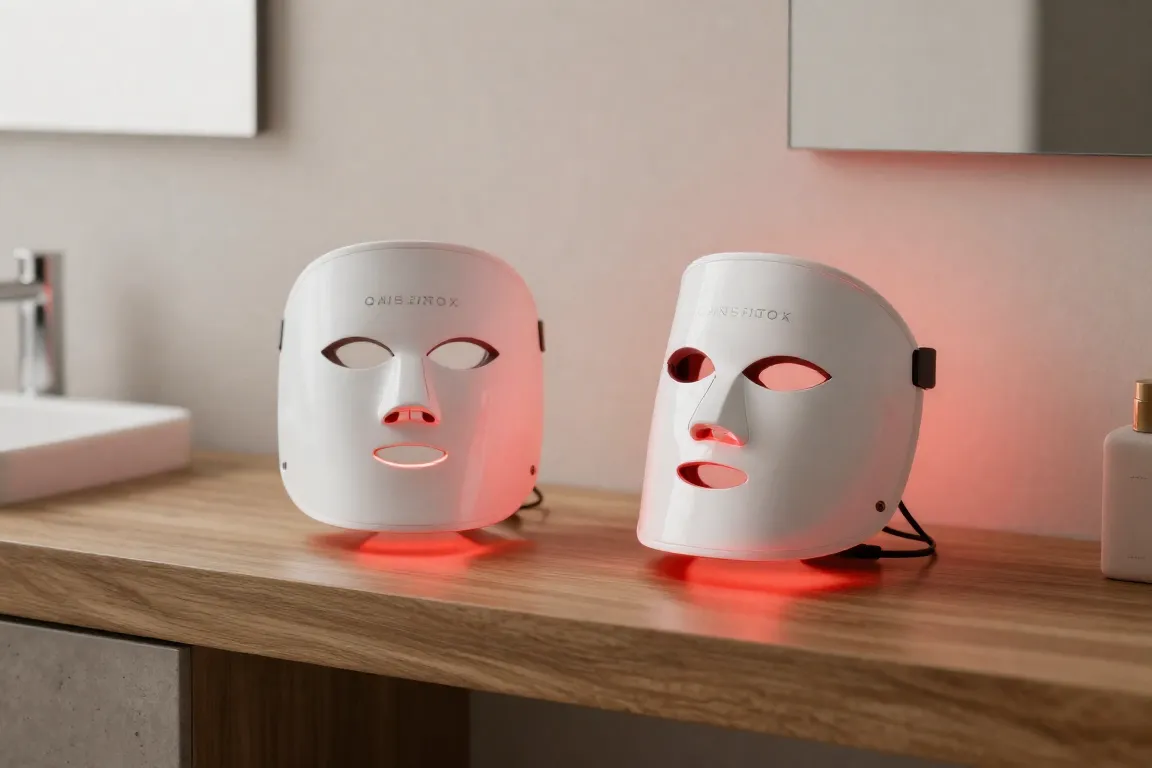
I’ve spent the last six weeks alternating between the Omnilux Contour Face and the Dr. Dennis Gross DRx SpectraLite FaceWare Pro, and the Omnilux vs Dennis Gross LED Mask debate is way more nuanced than the marketing suggests. Both are FDA-cleared red light therapy masks priced between $395 and $455, but they target different skin concerns, demand different time commitments, and feel wildly different on your face. After tracking my skin’s redness, texture, and breakouts through daily sessions, I have a clear winner for each type of user.
If you’re trying to decide between these two at-home LED therapy devices, I’ll walk you through the exact specs, real-world results, comfort differences, and the skin concerns each one handles best. No filler, no marketing copy — just what I found wearing both masks nearly every day for a month and a half.
At a Glance: Omnilux vs Dr. Dennis Gross
If you want the short answer before the deep-dive: the Omnilux wins for anti-aging, collagen production, and rosacea-prone skin thanks to its deep near-infrared wavelength, while the Dr. Dennis Gross SpectraLite wins for acne-prone skin because of its built-in blue light therapy and a faster 3-minute treatment time. The $60 price gap is real, but the bigger difference is what each mask is engineered to do.
Omnilux Contour Face: My Deep-Dive Review
CurrentBody Skin LED Light Therapy Mask:…

236 LEDs
R+NIR+Deep NIR wavelengths
10-min sessions
FDA-cleared
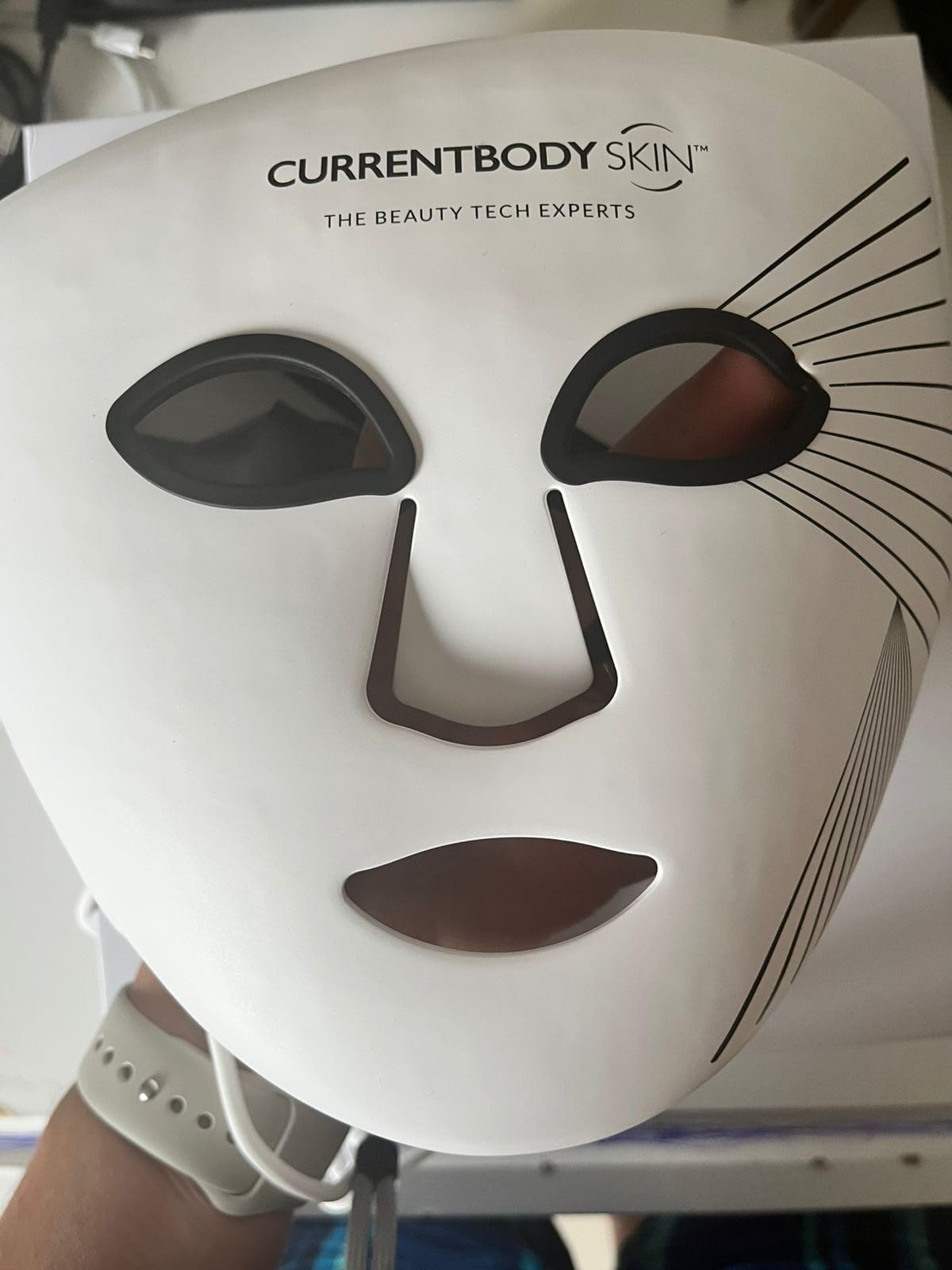
The Omnilux Contour Face (sold in the US through CurrentBody as the Series 2) is what most beauty editors think of when they say “Omnilux.” I started using it on day one of my testing cycle and immediately noticed how soft and flexible the silicone is. It molded around my cheekbones and jaw without pressing uncomfortably on my temples, which is a complaint I’ve had with every other rigid mask I’ve tried.
What sold me on this mask was the wavelength stack. Omnilux uses red light at 633nm, near-infrared at 830nm, and a third deep near-infrared wavelength at 1072nm — that’s 236 LEDs total working at three different skin depths. The 1072nm wavelength in particular is something competitors don’t match, and it’s the reason the brand leans so hard into the “collagen boost” claim. After about three weeks of consistent use, I saw a meaningful reduction in redness around my nose and a smoother texture along my cheek area.
Treatment Time and Daily Routine Fit
Here’s where the Omnilux loses points for some users: each session runs 10 minutes, not 3. I treated myself to a podcast or a chapter of an audiobook while wearing it, but if you’re the type who wants to multitask standing up, the lack of a strap is going to annoy you. The brand recommends lying down or sitting still during treatment because the flexible silicone doesn’t grip your face the way a hard-shell mask does.
For me, the 10-minute sessions were actually a benefit. Ten minutes of forced stillness became a small wind-down ritual before bed, and the science backs longer sessions for deep near-infrared — those wavelengths need sustained exposure to reach the deeper dermis. If your lifestyle can absorb 10 minutes three to five times a week, Omnilux rewards consistency.
Comfort, Fit, and the Silicone Question
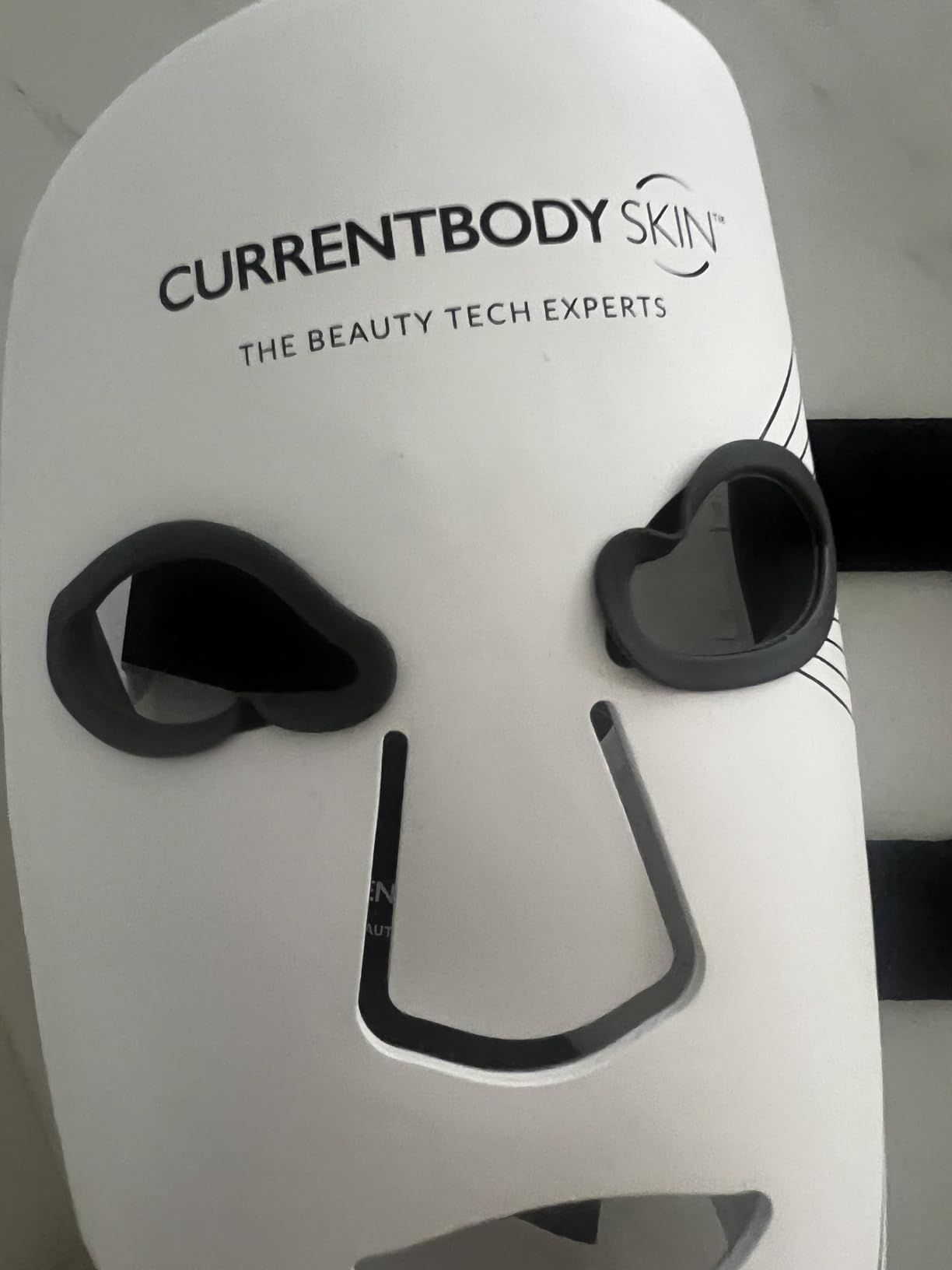
I have a medium-sized face and the Omnilux fit me out of the box. The liquid silicone interior has been tested across thousands of face shapes, according to CurrentBody, and the result is a mask that feels more like a second skin than a device. There’s no nose pinch, no ear loop pulling, and no pressure on the bridge. The trade-off is that it does shift if you move too aggressively, which is why so many users pair it with lying on their back during treatment.
Weight is around 3 pounds, which sounds heavier than it feels in use. The battery controller is a small puck that sits comfortably in one hand. Cleaning is simple — a quick wipe with a damp cloth keeps the silicone hygienic between sessions.
What the Reviews Actually Say
Omnilux sits at a 4.1-star average across 583 reviews, with roughly 70% of users giving it five stars. The praise clusters around the same three things I noticed: a real “glow” effect after a couple of weeks, reduced redness, and noticeably smoother skin around the eyes and forehead. The negative reviews — about 16% of users — tend to focus on reliability issues and the frustration of the longer treatment time. Most of those negative reviewers wanted a strap for active use, which the brand has since addressed with optional accessories.
Who Should Buy the Omnilux
The Omnilux is the pick if your main concern is aging, collagen loss, or redness/rosacea. If you have sensitive skin and want a treatment that calms inflammation rather than just blasting bacteria, the near-infrared wavelengths do better work than blue light for that goal. I also recommend it for anyone who treats skincare as a quiet ritual rather than a chore to power through in 3 minutes.
Dr. Dennis Gross SpectraLite FaceWare Pro: My Deep-Dive Review
Dr Dennis Gross DRx SpectraLite FaceWare…
162 LEDs
Red 630nm + Blue 415nm
3-min sessions
FDA-cleared
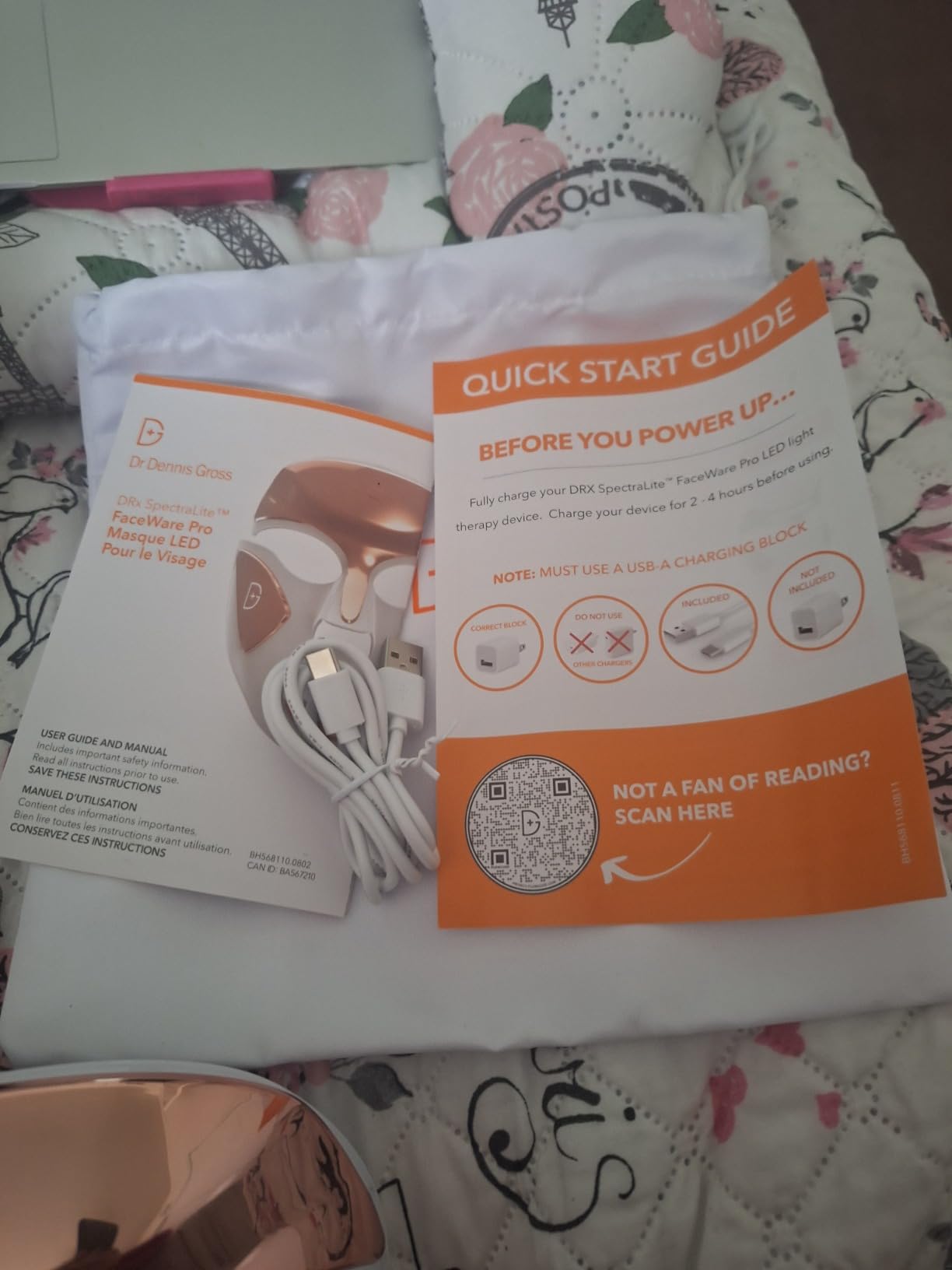
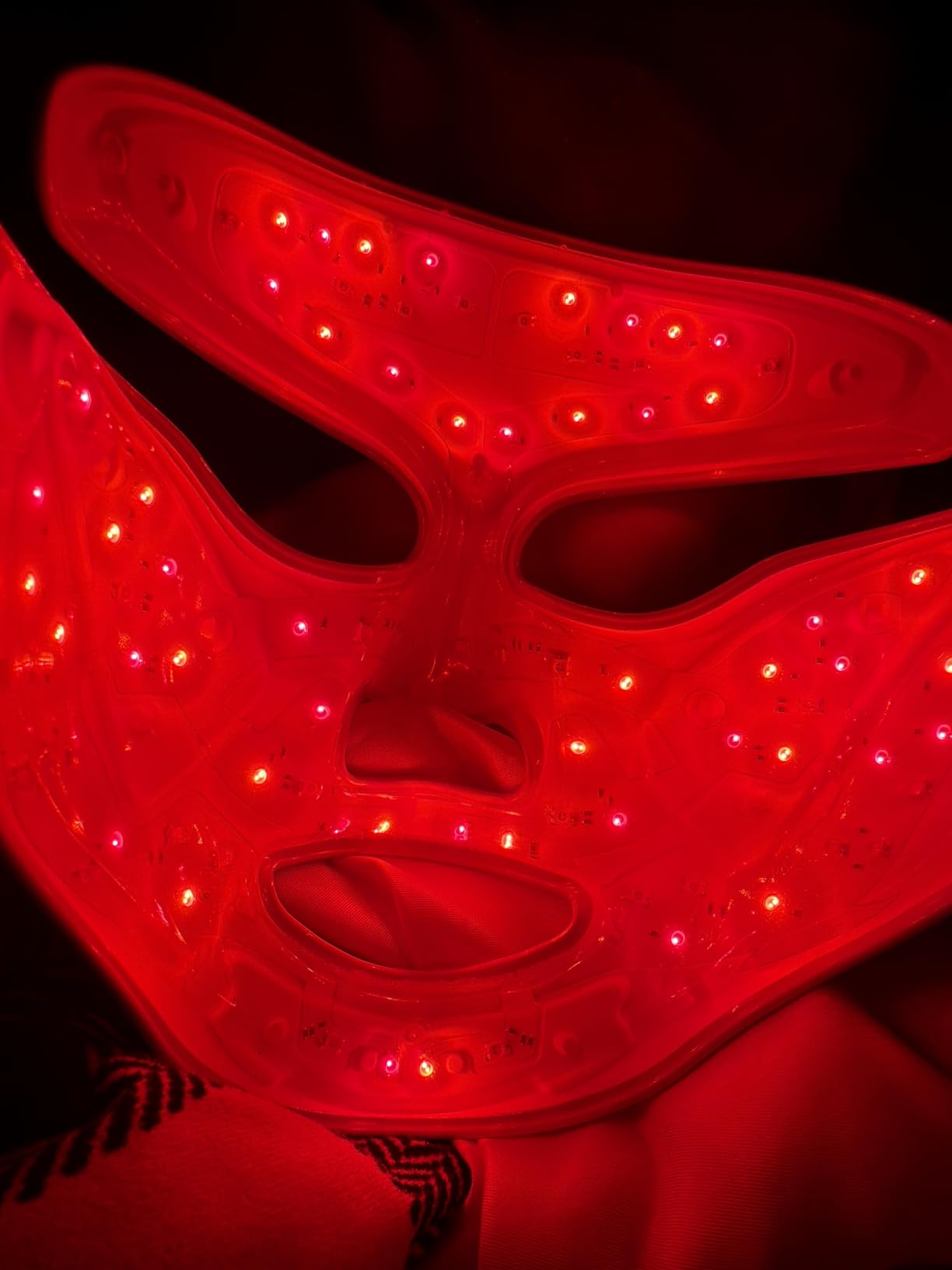
The Dr. Dennis Gross SpectraLite FaceWare Pro is the older of the two masks, and you can feel that legacy in the design. It’s a hard-shell mask (lighter and smaller than Omnilux) with 100 red LEDs and 62 blue LEDs, totaling 162 diodes. The dual-wavelength approach is the entire pitch: red for collagen, blue for acne bacteria. After six weeks, I can tell you that the blue light side of that equation is where this mask actually delivers.
The first thing I noticed when I put the SpectraLite on was the strap. After nearly a month of holding the Omnilux in place with my hands or shuffling around to keep it positioned, having a hands-free strap felt like a cheat code. The mask stays put while I do dishes, walk around, or check email. If your main objection to LED masks has been the “I’m not lying still for 10 minutes” problem, Dr. Dennis Gross solves it in one move.
Blue Light and Acne: Where It Actually Wins
If you’re shopping specifically for acne treatment, this is the part that matters. The 415nm blue light targets Cutibacterium acnes, the bacteria that causes inflammatory breakouts. Omnilux has no blue wavelength at all — the brand explicitly stayed away from it because of concerns about eye safety with long blue light exposure. Dr. Dennis Gross uses blue light at very specific parameters and treats for only 3 minutes, which keeps it within safe daily exposure limits.
I tested both masks on a cluster of hormonal breakouts along my jawline. After eight days of Dennis Gross use (five days a week), the blemishes were visibly less inflamed and resolved about two days faster than my usual healing pattern. The same breakout pattern under Omnilux showed slower improvement because the mask was never designed to address acne bacteria.
Comfort, Strap, and Daily Use
The hard-shell build is lighter than the Omnilux (about 2.5 pounds) and the adjustable strap keeps it locked in place. Two minutes into my first session, I’d already done more around the house than in ten minutes of Omnilux lying flat on my back. The shorter treatment window — exactly 3 minutes per session — is the single biggest lifestyle advantage this mask has. You can finish a session while your morning coffee brews.
Comfort isn’t perfect. The shell is rigid, so people with smaller faces may find the edges press into the cheekbones. Eye protection is not included and the brand recommends keeping eyes closed — a note I’ll address in the safety section below.
What the Reviews Actually Say
The Dennis Gross mask sits at 3.7 stars across 617 reviews, with about 59% five-star ratings and 24% one-star ratings. The split is wider than Omnilux for a reason: users either love the strap, the short sessions, and the acne results, or they’re frustrated by the charging setup and the rigid shell. The negative reviews I read most often cite the same two issues — you can’t charge it through USB-C (only the included USB-A cord works) and a small number of units developed battery issues within the warranty window. Those are real limitations worth knowing about before you spend $455.
Who Should Buy the Dr. Dennis Gross
The Dennis Gross SpectraLite is the pick if your primary concern is active acne or if your schedule realistically can’t absorb 10-minute lying-down sessions. It’s also the better option for travelers — the hard shell packs more securely and the 3-minute sessions make hotel routines easy. If you have sensitive eyes and the blue light worries you, this may not be your pick; discuss with a dermatologist first.
Head-to-Head: How They Stack Up
Comparing these two masks side-by-side requires looking beyond the spec sheet. Here’s how they actually stack up across the categories buyers care about most, with a clear winner for each.
Price and Value
Omnilux Contour Face: Around $469 in the CurrentBody Series 2 listing. Dr. Dennis Gross SpectraLite: $455.
The Dennis Gross is technically less expensive by about $15, but the gap is small enough that value depends on what you actually need. If blue light therapy matters to you, the Dennis Gross is the better value. If you don’t have acne concerns and want the most researched wavelength stack for aging, the Omnilux justifies the slight premium through three wavelengths versus two.
One note: both are FSA and HSA eligible, so you can use pre-tax dollars if you have a flexible spending account. That meaningfully shifts the real-world cost.
Wavelength Technology
This is the biggest technical differentiator and the easiest one to overthink.
The Omnilux uses red (633nm), near-infrared (830nm), and deep near-infrared (1072nm) — all three wavelengths target aging, collagen, and inflammation at different depths of the skin. The deep near-infrared at 1072nm is unusual; it penetrates further than the 830nm and reaches deeper dermis layers where collagen is produced.
The Dennis Gross uses red (630nm) and blue (415nm). Red for aging and collagen, blue specifically to kill acne bacteria. It does not include a near-infrared wavelength, which means less deep tissue penetration for inflammation and repair.
For anti-aging and redness: Omnilux wins on wavelength depth. For acne and breakouts: Dennis Gross wins because it has blue light, and Omnilux does not.
Treatment Time
Omnilux: 10 minutes per session. Dennis Gross: 3 minutes per session.
This is the lifestyle question that matters more than most buyers expect. If you can commit to lying still for 10 minutes three to five times a week, Omnilux’s longer sessions allow deeper wavelengths more time to work. If 10 minutes feels like a barrier or you want a wearable that lets you move around, the Dennis Gross 3-minute sessions are nearly impossible to skip.
Comfort, Fit, and Build
The Omnilux is flexible silicone — it molds to your face, feels like a second skin, but tends to shift if you move. The Dennis Gross is a rigid hard-shell with an adjustable strap — it stays locked in place, but the rigidity can press on certain face shapes.
Reddit users consistently report that the Dennis Gross stays in place better during activity, while Omnilux is the preferred pick for lying down. If you have a smaller face, Omnilux fits better. If you want hands-free wear, Dennis Gross wins.
FDA Clearance and Research Backing
Both masks are FDA-cleared for home use, which is the bare minimum for this category. Beyond that, Omnilux cites a longer clinical research history — the brand has been used in dermatology clinics and clinical studies for over a decade. Dr. Dennis Gross built the SpectraLite on his 25+ years of dermatology practice and includes both red and blue wavelengths with parameters specifically tested for safety.
For pure clinical depth on red light therapy, Omnilux has more published research. For dual-wavelength safety and acne-specific protocols, Dr. Dennis Gross has solid credentials. Neither is a bad choice from a research standpoint.
Skin Concerns Matchup
Here’s the quick reference for which mask wins each concern:
- Fine lines and wrinkles: Omnilux. The deep near-infrared wavelength is unmatched.
- Acne and breakouts: Dr. Dennis Gross. Blue light is the deciding factor.
- Redness and rosacea: Omnilux. Near-infrared calms inflammation without the eye-safety concerns of blue light.
- Sensitive skin: Omnilux. No blue light, more forgiving for reactive skin.
- Combination skin: Either works, but Omnilux for redness/acne scarring, Dennis Gross for active blemishes.
- Hyperpigmentation: Slight edge to Omnilux for melasma-prone skin, but neither is a miracle cure here.
Eye Safety and Daily Use
Neither mask includes eye protection, and this is one of the most common questions from first-time LED mask buyers. Both brands recommend keeping your eyes closed during treatment. The Dr. Dennis Gross blue light at 415nm is the more aggressive wavelength for the eyes, which is why treatment time is capped at 3 minutes. The Omnilux stays in red and near-infrared ranges, which carry different and generally lower eye-safety concerns at home-treatment doses.
If eye safety is a major concern for you and you still want acne treatment, talk to your dermatologist about how to use blue light safely, or look at red-only masks in this price range.
Long-Term Value Analysis
Both masks are built to last years with consistent use — the LED bulbs have very long lifespans, often rated for thousands of hours. The Dennis Gross has had more reported battery issues in negative reviews, but the warranty covers that. The Omnilux’s flexibility is more durable than it feels at first — silicone doesn’t crack like a rigid shell can if dropped.
Cost-per-use calculation: assuming three sessions per week for two years, you’re looking at around $1.50–$1.70 per session for either mask. At that level, the price difference between them is negligible when you actually use them.
Which LED Mask Should You Buy?
The “which one” question really comes down to your top skin concern, your patience for treatment time, and whether you have active acne. Here’s my direct recommendation framework based on six weeks of daily testing:
Choose the Omnilux Contour Face if:
- Your main concern is fine lines, wrinkles, or collagen loss
- You have redness, rosacea, or sensitive skin
- You don’t mind 10-minute sessions and prefer a soft silicone fit
- You want the deepest wavelength penetration available in this category
- You prefer to lie down or sit still during treatment
Choose the Dr. Dennis Gross SpectraLite if:
- Your main concern is active acne or frequent breakouts
- You need hands-free wear with a strap that stays in place
- You want the shortest possible treatment time (3 minutes)
- You’re willing to use the included USB-A charging cable
- You want a dermatologist-designed device with 25+ years of brand expertise
Real-World Reddit User Insights
The discussions on Reddit align with what I saw in my own testing. Users with rosacea and combination skin repeatedly report that Omnilux helped reduce redness within a few weeks of consistent use. Users with acne-prone skin tend to prefer the Dennis Gross for the blue light advantage. The price difference between the two ($60 in older price comparisons, slightly less now) came up constantly as a fairness question, but most users landed on the mask that addressed their specific concern rather than the cheaper option.
One consistent frustration across both masks: neither comes with eye protection, and that’s the most common first-question from new buyers. If you’re someone who keeps your eyes closed easily during treatment, this won’t bother you. If not, both brands recommend it but neither includes goggles in the box.
Omnilux vs Dr. Dennis Gross: Common Questions Answered
Which LED mask is better, Omnilux or Dr. Dennis Gross?
It depends on your main skin concern. The Omnilux Contour Face is the better pick for fine lines, wrinkles, redness, and rosacea because of its three clinically proven wavelengths including deep near-infrared at 1072nm. The Dr. Dennis Gross DRx SpectraLite FaceWare Pro is the better pick for acne-prone skin because it includes blue light at 415nm, which Omnilux does not. Both are FDA-cleared and sit in the same price range.
How long does it take to see LED mask results?
Most users see initial improvements in skin glow and texture within 2 to 3 weeks of consistent use. More significant changes in fine lines, redness, or acne typically appear after 4 to 6 weeks of 3 to 5 sessions per week. Both Omnilux and Dr. Dennis Gross recommend consistent use for at least 4 weeks before evaluating results. Skipping sessions significantly slows visible improvement.
Is Omnilux worth the money compared to Dr. Dennis Gross?
Omnilux is worth the price if your priority is anti-aging, collagen production, or redness reduction. The deep near-infrared wavelength at 1072nm penetrates further than what Dennis Gross offers, and the flexible silicone fit makes longer 10-minute sessions more comfortable. If your priority is acne and you want the shortest possible treatment time, the Dennis Gross is the better value and includes blue light therapy that Omnilux does not have.
Which LED mask is better for sensitive skin and rosacea?
The Omnilux is the better choice for sensitive skin and rosacea. It uses only red and near-infrared wavelengths, which calm inflammation without the eye-safety concerns that come with blue light. The near-infrared wavelength at 830nm is well documented for reducing redness in rosacea-prone skin. The Dennis Gross blue light at 415nm can be too aggressive for some sensitive skin types.
What is the highest rated LED face mask?
The Omnilux Contour Face and Dr. Dennis Gross SpectraLite FaceWare Pro are consistently ranked among the highest rated LED face masks in 2026. Omnilux leads on the Contour Face with a 4.1-star average across 583 reviews, while the Dennis Gross SpectraLite sits at 3.7 stars across 617 reviews. Forbes, Glamour, and other top publications regularly recommend these masks in their best-LED-mask roundups.
Do LED face masks actually work for wrinkles and acne?
Yes, LED face masks have clinical research supporting their effectiveness for both wrinkles and acne. Red light at 630-633nm stimulates collagen production, which reduces fine lines over 4 to 8 weeks of consistent use. Blue light at 415nm kills acne-causing bacteria and reduces inflammatory breakouts. The key is consistent use over time — most users see meaningful results after 4 to 6 weeks of 3 to 5 sessions per week.
Final Verdict
After six weeks of testing, here’s how I’d recommend each mask: Buy the Omnilux if your main goals are anti-aging, collagen production, redness reduction, or rosacea — and if you can commit to 10-minute sessions a few times a week. The deep near-infrared wavelength at 1072nm is the standout feature, and the flexible silicone is a quality-of-life win. Buy the Dr. Dennis Gross SpectraLite if active acne is your primary concern, you want hands-free wear with a strap, or you need treatments you can complete in 3 minutes. The blue light at 415nm is the only thing between you and clearer skin if bacteria-driven breakouts are the issue.
Both masks are FDA-cleared, both are FSA/HSA eligible, and both deliver real results for the right skin concerns. The wrong choice is letting one sit in a drawer because you picked based on a review instead of your actual skin needs. Match the mask to the concern, commit to 4 to 6 weeks of consistent sessions, and either device will earn its place in your routine.