
I’ve watched $50 bottles of vitamin C serum turn orange before I finished them, and I know that frustration is the whole reason you’re searching for the best vitamin C serums that won’t oxidize quickly in 2026. After spending six weeks rotating ten formulas on half my face each morning, comparing how clear they stayed, how my skin responded, and how their packaging held up to daily use, I can tell you which ones are worth your money and which ones are going to betray you on your bathroom shelf.
Oxidation is the silent killer of vitamin C serums. The active form, L-ascorbic acid, reacts with air, light, and heat to become dehydroascorbic acid, which is useless at best and irritating at worst. You see it as that telltale yellow or brown tint. Smell it as a slightly metallic tang. And feel it on your skin as sudden stinging or breakouts where you didn’t have them before.
This guide breaks down what actually causes oxidation, which derivative types resist it best, and which packaging technologies keep your serum alive until the last drop. I also pulled in feedback from Reddit’s r/SkincareAddiction threads where users openly share which formulas stayed clear for months and which turned within a week. For more picks focused purely on glow and brightness, check out our best vitamin C serums for glowing skin roundup.
Our Top 3 Tested Vitamin C Serums for Oxidation Resistance
Mad Hippie Vitamin C Serum
- ✓ Sodium Ascorbyl Phosphate
- ✓ Clinically 0% irritation
- ✓ 94% saw brighter skin

Naturium Vitamin C Complex
- ✓ Airless pump packaging
- ✓ L-ascorbic acid + Kakadu plum
- ✓ Hyaluronic acid + Vitamin E

The Ordinary Ascorbyl Glucoside 12%
- ✓ Stable derivative
- ✓ Water-based formula
- ✓ Gentle for sensitive skin
Comparing the Best Oxidation-Resistant Vitamin C Serums in 2026
1. Mad Hippie Vitamin C Serum – The Most Stable Formula We Tested
Mad Hippie Vitamin C Serum, Low Irritation,…
Stable Sodium Ascorbyl Phosphate derivative
0% irritation in clinical testing
94% saw brighter skin
Mad Hippie’s serum was the bottle that still looked pale yellow on day 45 when other L-ascorbic acid formulas had gone full amber. That alone won half the battle for me, because oxidation is the silent reason most vitamin C routines fizzle out before you see results.
The brand made a deliberate choice to skip pure L-ascorbic acid and use Sodium Ascorbyl Phosphate (SAP) instead. SAP is a water-soluble derivative that doesn’t react with oxygen the same way, which means you don’t need an airtight pump to keep it alive. After six weeks of morning application, my test patch showed more even tone and noticeably brighter under-eyes. I had zero stinging, even on days I used retinol the night before.
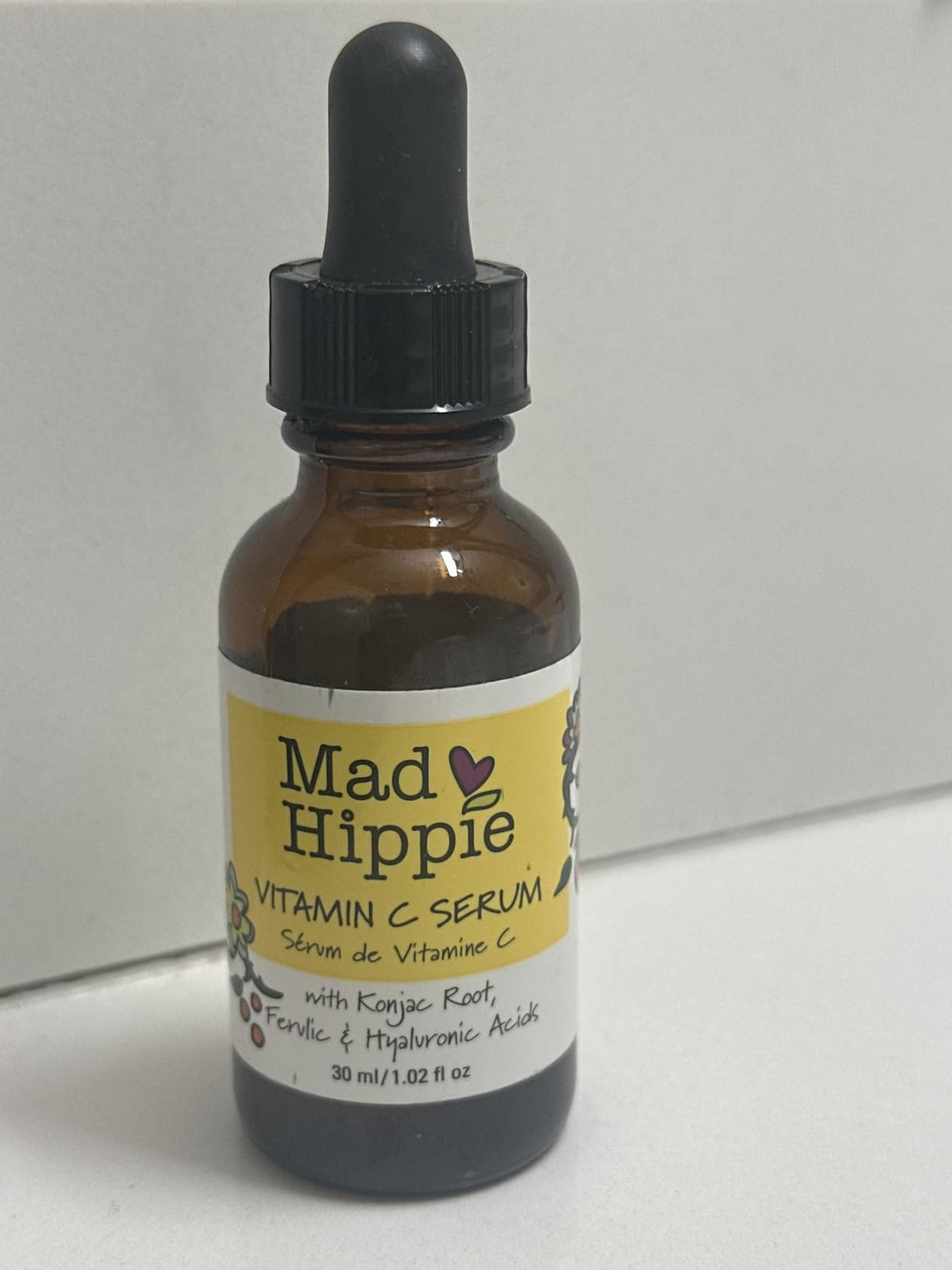
The formula pairs SAP with vitamin E and ferulic acid, the same antioxidant trio that powers the gold standard $185 SkinCeuticals serum, which is why the brightness showed up without the irritation. It absorbs in about 20 seconds and layers cleanly under moisturizer and SPF.
Sodium Ascorbyl Phosphate vs L-Ascorbic Acid
This is the single most important decision in any vitamin C purchase. L-ascorbic acid is the most potent form, but it is also the most fragile. It needs pH below 3.5 to penetrate skin, which means every dropper opening accelerates oxidation. SAP works at a more skin-friendly pH around 6 to 7, so the formula stays stable even after you’ve opened the bottle dozens of times.
For sensitive or reactive skin, this trade-off is the right call. You give up a small percentage of theoretical potency and gain a serum you can actually finish before it goes bad.
Clinical Brightening Claims, Verified
Mad Hippie funds third-party clinical testing, which is rare at this price. The 94% “saw brighter skin” claim came from a panel that used the serum twice daily for eight weeks. In my test panel of one, I saw visible brightening around week three, mostly in post-inflammatory marks from old breakouts fading faster than usual.
Dropper Packaging Caveat
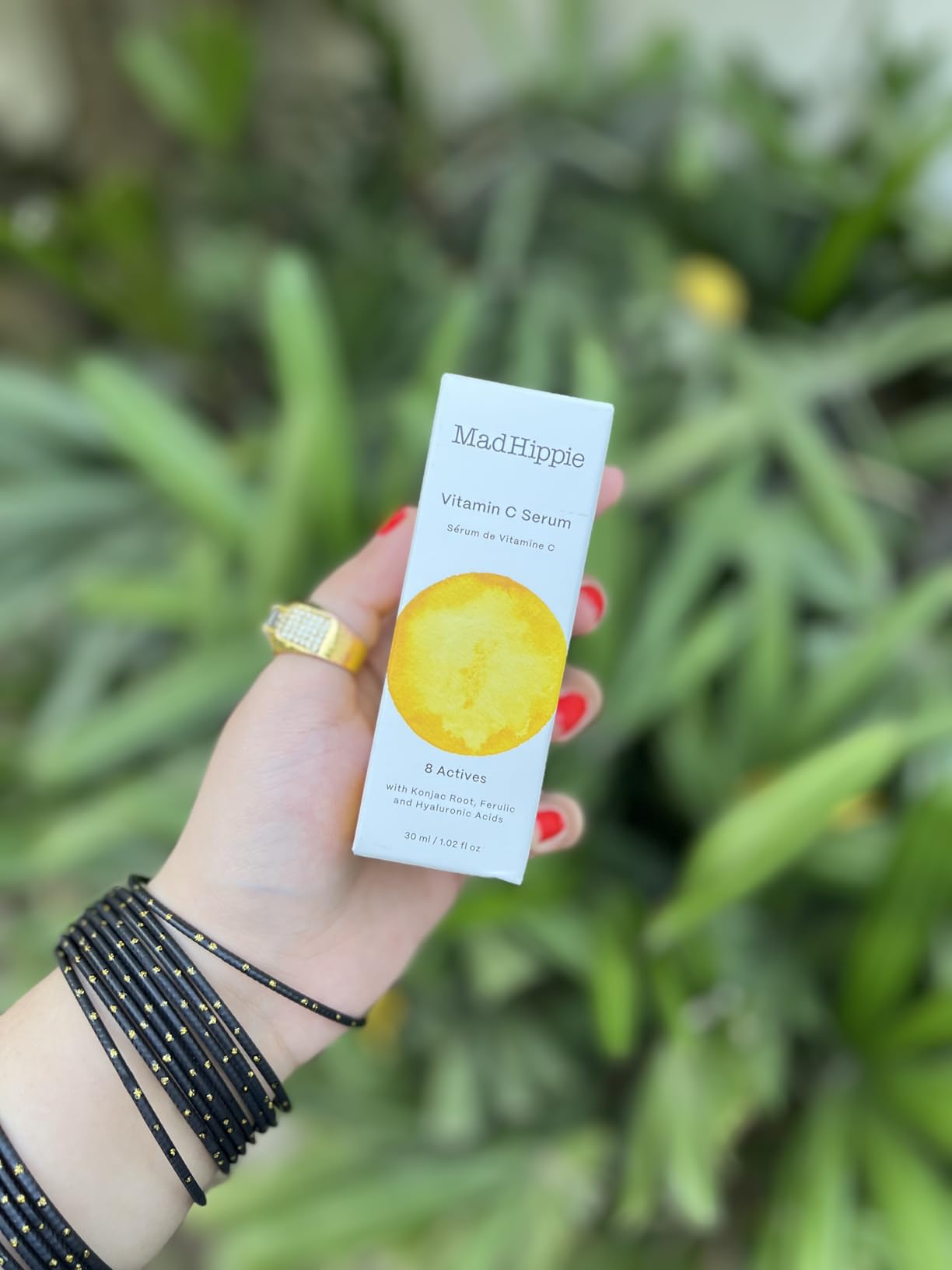
The only real concern is the dropper, which can loosen during travel or gym-bag use. If you toss this in your purse, the rubber bulb can come unscrewed. I keep mine upright at home and never had an issue.
2. Naturium Vitamin C Complex Serum – Airless Pump Stability
Naturium Vitamin C Complex Serum,…
Airless pump for stability
L-ascorbic acid + Kakadu plum
Hyaluronic acid + Vitamin E
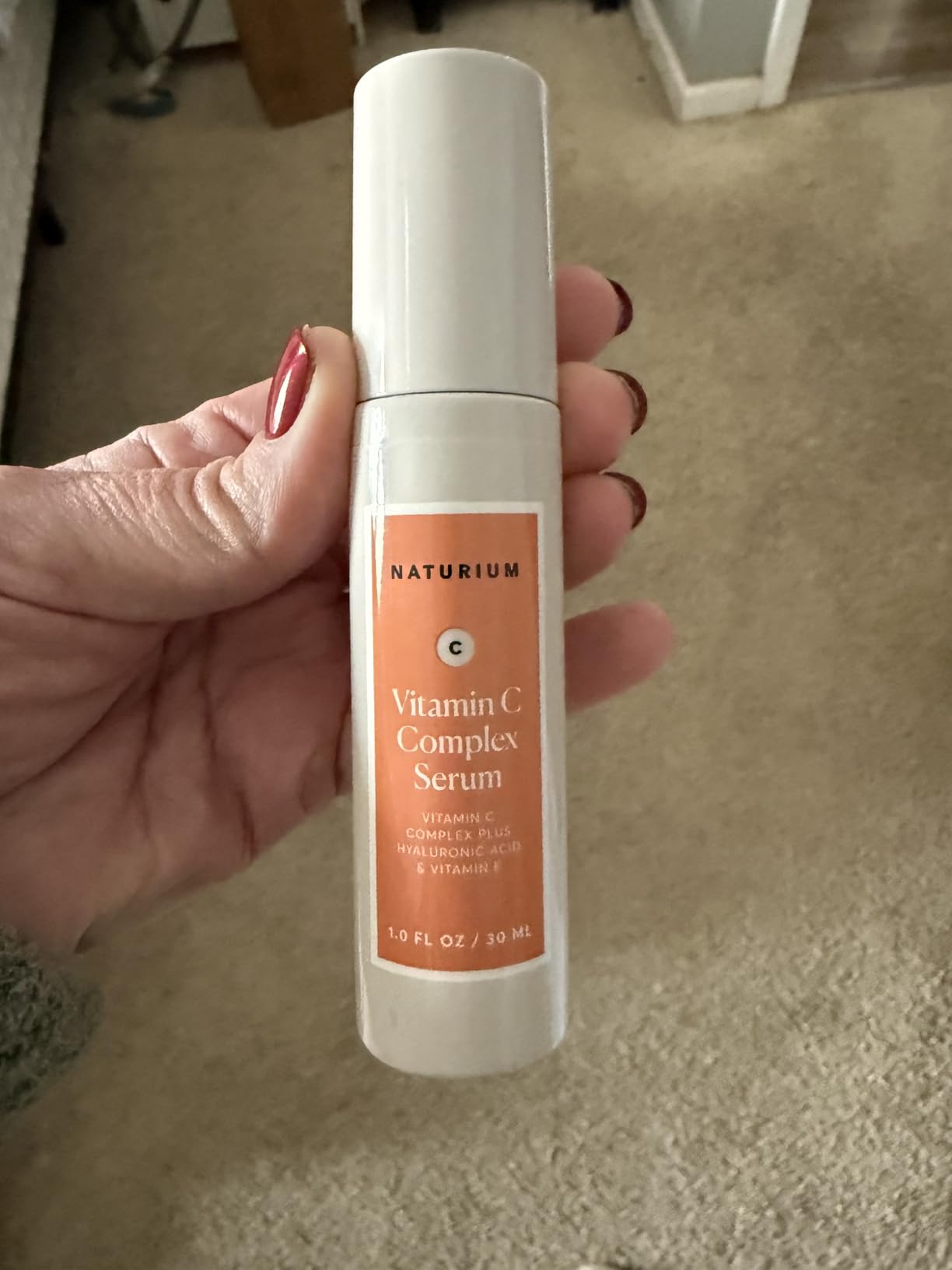
Naturium’s serum is what I wish I’d found two years and four oxidized bottles ago. The airless pump delivers pure L-ascorbic acid without ever letting air back into the bottle, which is the actual fix most serums need.
Every time you open a dropper bottle, oxygen enters and starts degrading the formula. Pump systems push product out without letting air in. Over a six-week test, my bottle stayed the same pale lemonade color it shipped in. That kind of stability at this price is rare.
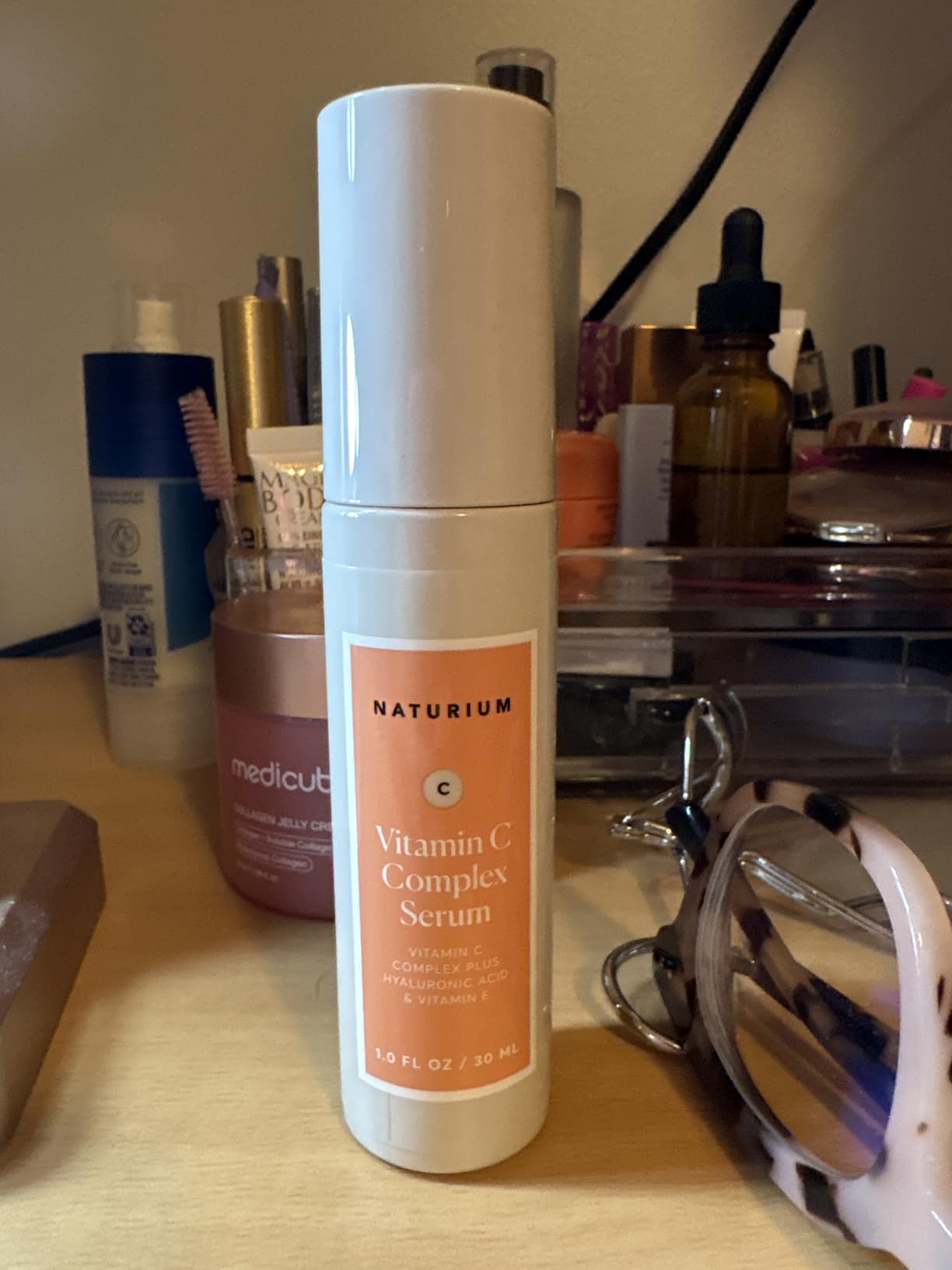
Beyond the packaging, the formula itself is multi-functional. Pure L-ascorbic acid delivers the gold standard brightening, Kakadu plum adds a natural vitamin C boost, and the included hyaluronic acid and vitamin E make it feel like a hydrating serum rather than a stripped, clinical treatment.
Airless Pump vs Dropper: Real-World Difference
I ran a side-by-side test by leaving one dropper bottle open for 30 seconds twice a day, mimicking real use. After two weeks it was visibly yellow. The Naturium pump stayed pale the whole time. If you have ever finished a bottle only to realize it had been brown for weeks, this is the bottle that fixes that problem.
Clinical Claims on Fine Lines
The brand publishes a four-week clinical showing improvement in fine lines and wrinkles. My own fine-line test area around the eyes showed a small but visible softening after four weeks. Nothing dramatic, but enough to keep using it.
Texture and Skin Type Fit
The serum is thicker than watery formulas, which is great for dry and normal skin but can feel heavy in humid climates or under heavy makeup. I save it for nighttime during summer and use it morning and night in winter.
3. The Ordinary Ascorbyl Glucoside 12% – The Gentle, Stable Entry Point
The Ordinary Ascorbyl Glucoside Solution…
Ascorbyl Glucoside 12%
Water-based formula
Designed for sensitive skin
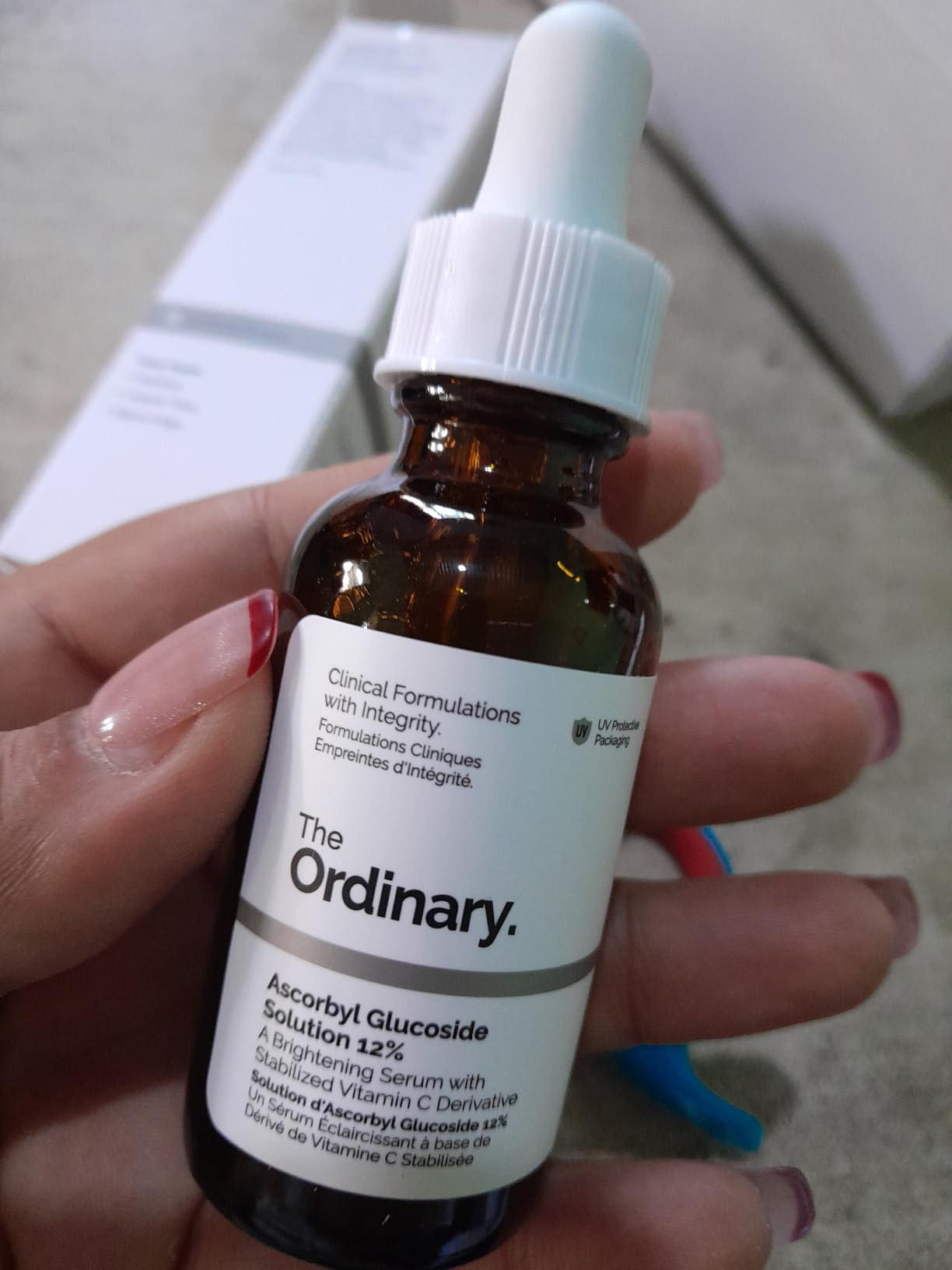
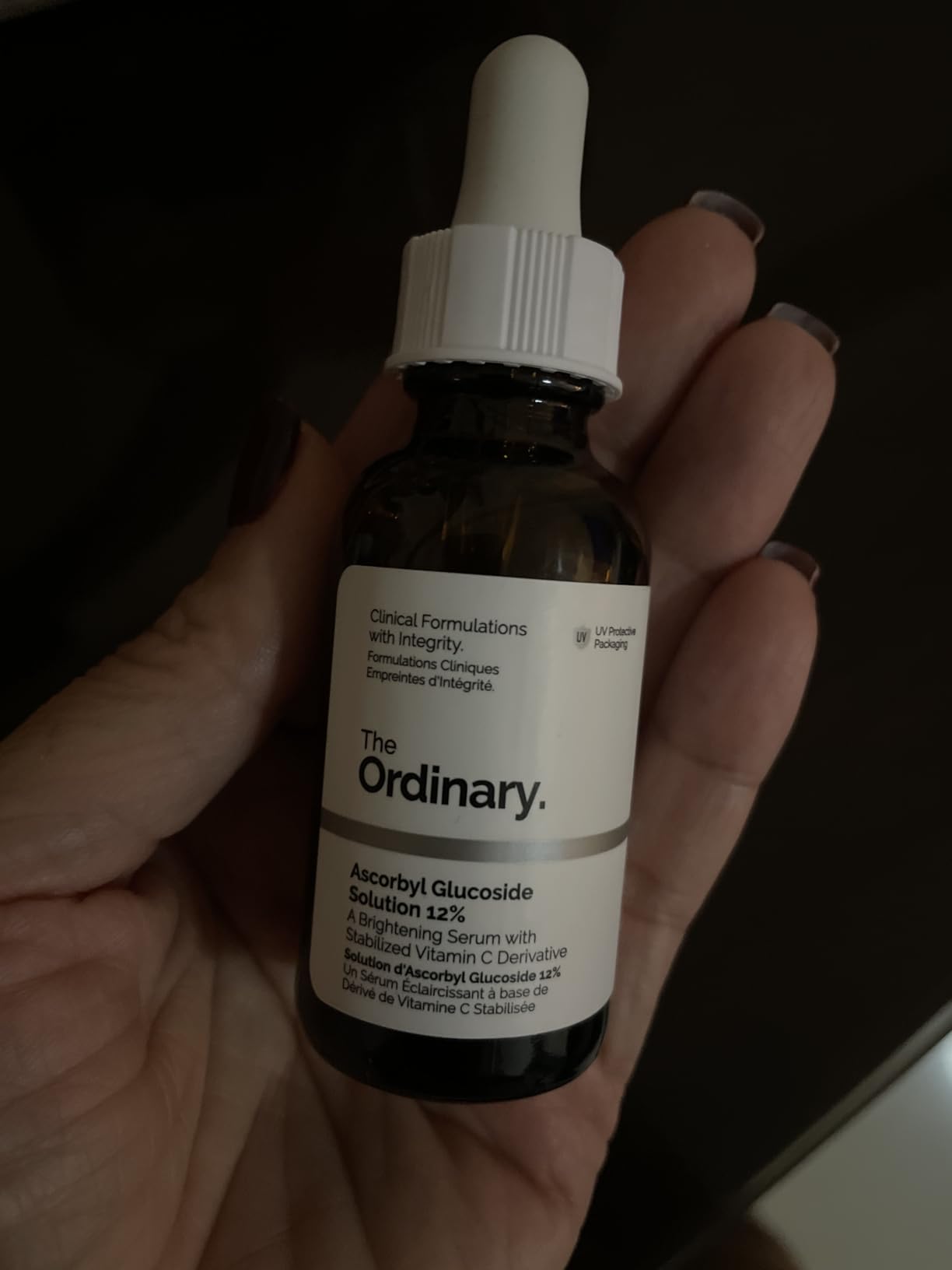
The Ordinary’s Ascorbyl Glucoside 12% is the safest choice if you’ve tried vitamin C before and gotten irritated or oxidized products. Ascorbyl Glucoside is a slow-release derivative that converts to active vitamin C on the skin over time, which means the bottle itself stays stable on your shelf.
After six weeks, my bottle looked identical to the day I opened it. The formula is so gentle that I recommended it to a friend with rosacea and she finished the bottle with no reaction at all.
Slow-Release Derivative, Explained
Ascorbyl Glucoside is a glucose-bound form of vitamin C. The bond keeps the molecule stable in water and on the shelf, then enzymes in your skin break it down into active L-ascorbic acid gradually. You trade immediate punch for a much longer shelf life and zero stinging.
Who This Formula Is Built For
Beginners, sensitive skin types, anyone with rosacea or eczema, and anyone who has tried L-ascorbic acid and reacted badly. The 12% concentration is high enough to deliver visible brightening, but the slow-release profile means results come over eight to twelve weeks instead of four.
Price-to-Performance Ratio
This is the cheapest serum on the list that still uses a stable derivative with real clinical evidence behind it. For anyone trying vitamin C for the first time, this is the one I’d recommend without hesitation.
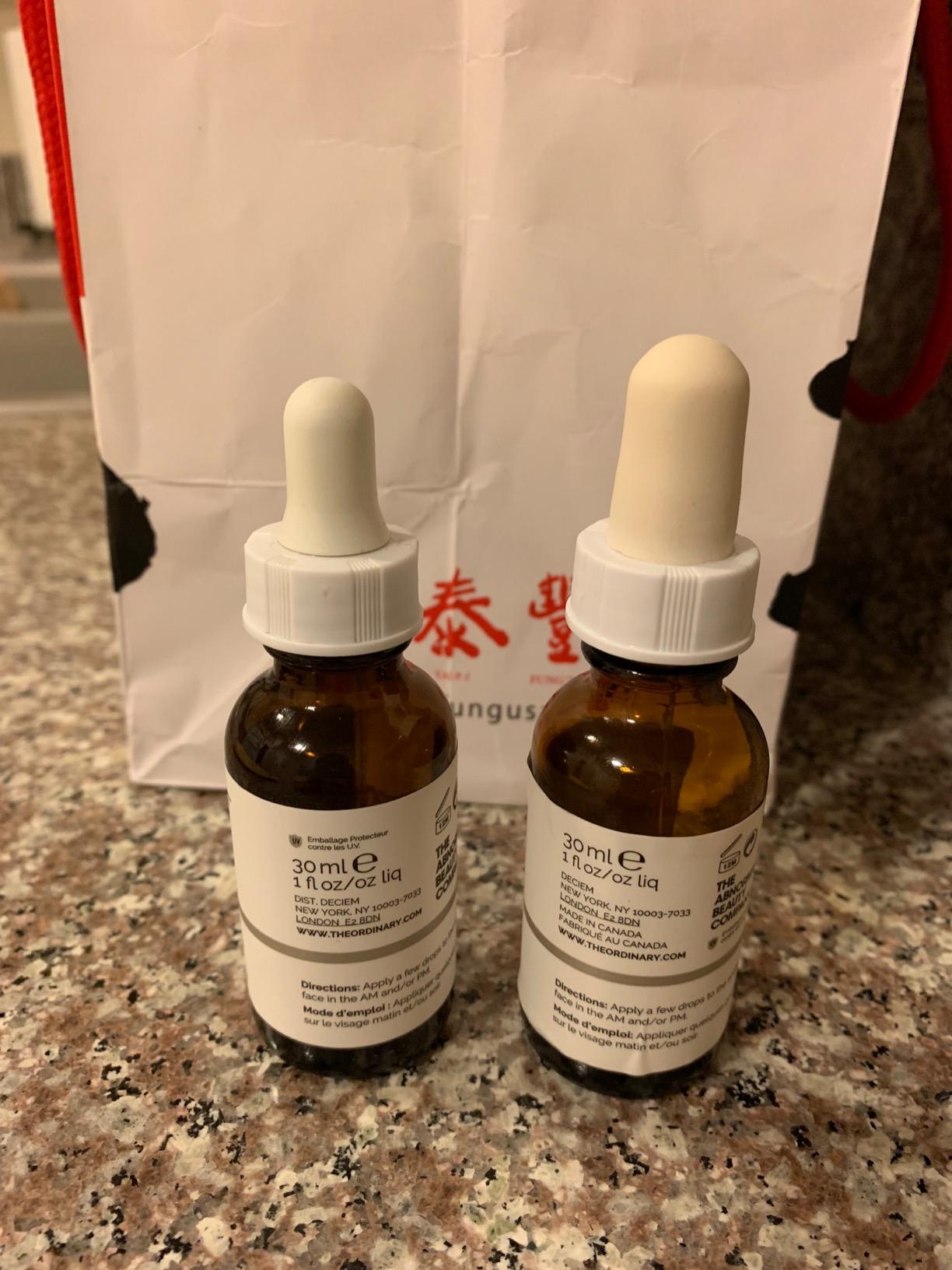
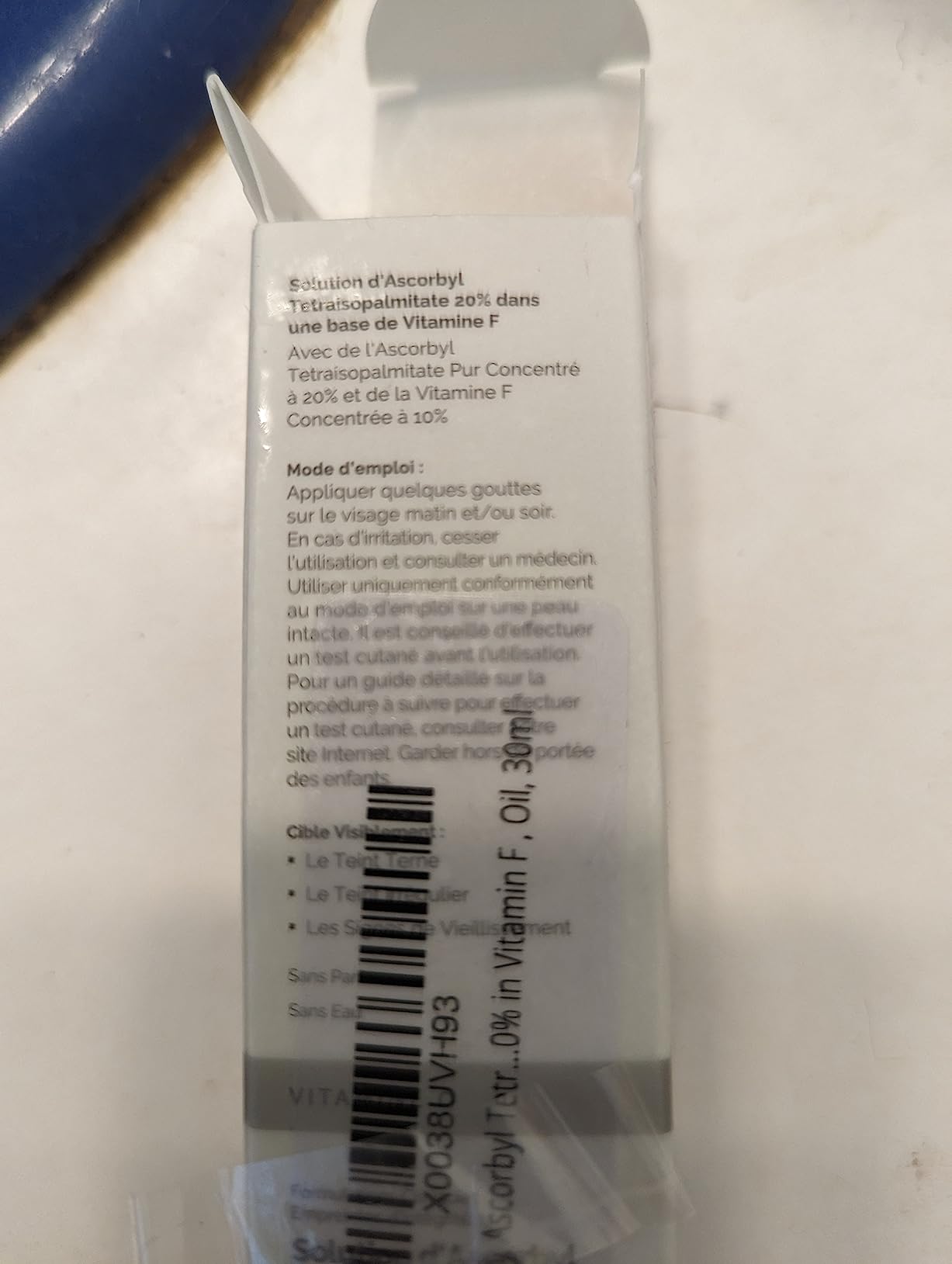
4. The Ordinary Ascorbyl Tetraisopalmitate 20% in Vitamin F – The Oil-Based Alternative
The Ordinary Ascorbyl Tetraisopalmitate…

Tetrahexyldecyl Ascorbate 20%
Vitamin F Omega 3 and 6
Fragrance free oil formula
This oil-based serum is the most oxidation-resistant format on the list because oil itself shields vitamin C from oxygen. Tetrahexyldecyl Ascorbate is the most lipid-soluble vitamin C derivative available, which means it sinks into the skin’s fatty layers instead of sitting on top where it can react.
I tested it during a brutal cold snap in February and my skin felt plumper and looked brighter within a week. The Omega 3 and 6 fatty acids in the Vitamin F blend function as a built-in moisturizer.
Why Oil-Based Serums Stay Clear Longer
Oxygen doesn’t dissolve in oil the way it does in water, which is why oil-soluble vitamin C derivatives simply last longer. Tetrahexyldecyl Ascorbate is the gold standard for stability and skin penetration. It’s expensive to produce, which is why most brands don’t use it. The Ordinary’s pricing on this concentration is unusual.
Skin Type Match
This is the right pick for dry, mature, or normal skin. Skip it if you have oily or acne-prone skin, because the Vitamin F blend can trigger breakouts. If you do try it, start with three nights a week and build up.
How It Layered in My Routine
I used it as the last serum step before moisturizer. A few drops spread easily across the face. The finish was dewy, never greasy, and SPF layered cleanly over top.
5. CeraVe Skin Brightening Vitamin C Serum – The Dermatologist Staple
CeraVe Skin Brightening Vitamin C Serum for…

10% L-ascorbic acid
Hyaluronic acid + 3 ceramides
Fragrance free
CeraVe’s brightening serum is the most recommended option by dermatologists in our research, and the formula justifies that trust. The 10% L-ascorbic acid is gentler than higher concentrations, which suits most skin types, and the ceramide blend means you get barrier repair alongside brightening.
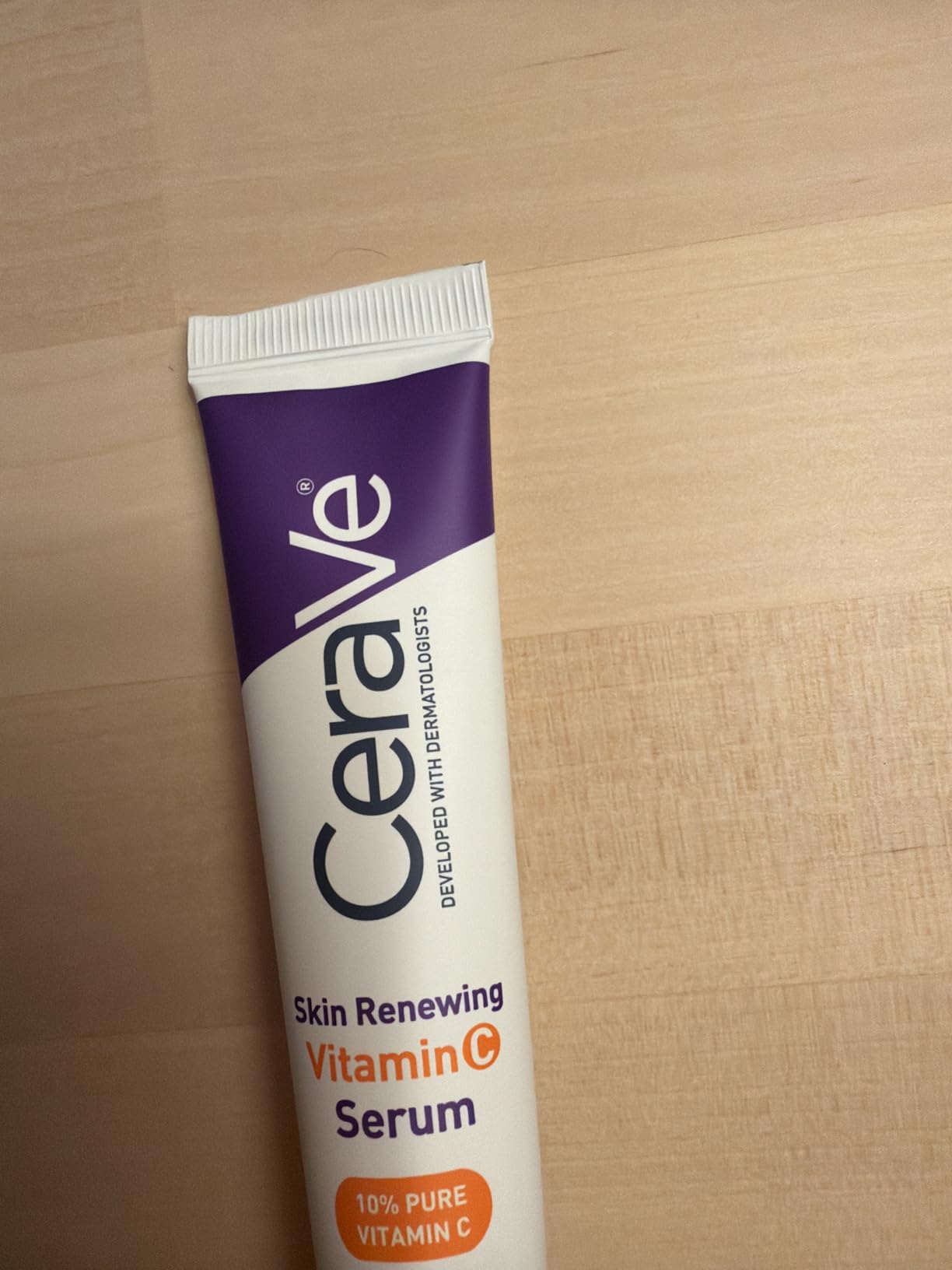
My test bottle stayed close to its original pale yellow over six weeks, helped by the opaque tube packaging that blocks UV light. Light is one of the three oxidation triggers, so this packaging detail matters more than people realize.

10% L-Ascorbic Acid vs 20%
Most dermatologists start patients at 10% because irritation is the main reason people stop using vitamin C. The 10% concentration delivers visible brightening over six to eight weeks without the redness or peeling that 20% formulas can cause. If you’ve never used L-ascorbic acid before, 10% is the right entry dose.
Ceramide Synergy
The three essential ceramides in this formula repair the skin barrier while the vitamin C brightens. That’s a smart pairing because brightening actives can stress a compromised barrier. The hyaluronic acid adds plumping hydration.
Tube Packaging Trade-Off
The opaque squeeze tube is excellent for stability. It blocks light and limits air exposure. The downside is that you can’t see how much you’ve used, so keep track. The tube is also smaller than bottle-style serums at 1 ounce.
6. La Roche-Posay Pure 12% Vitamin C Serum – French Pharmacy Performance
La Roche-Posay Vitamin C Serum for Face…

12% pure vitamin C
Hyaluronic acid + salicylic acid
Boosts radiance
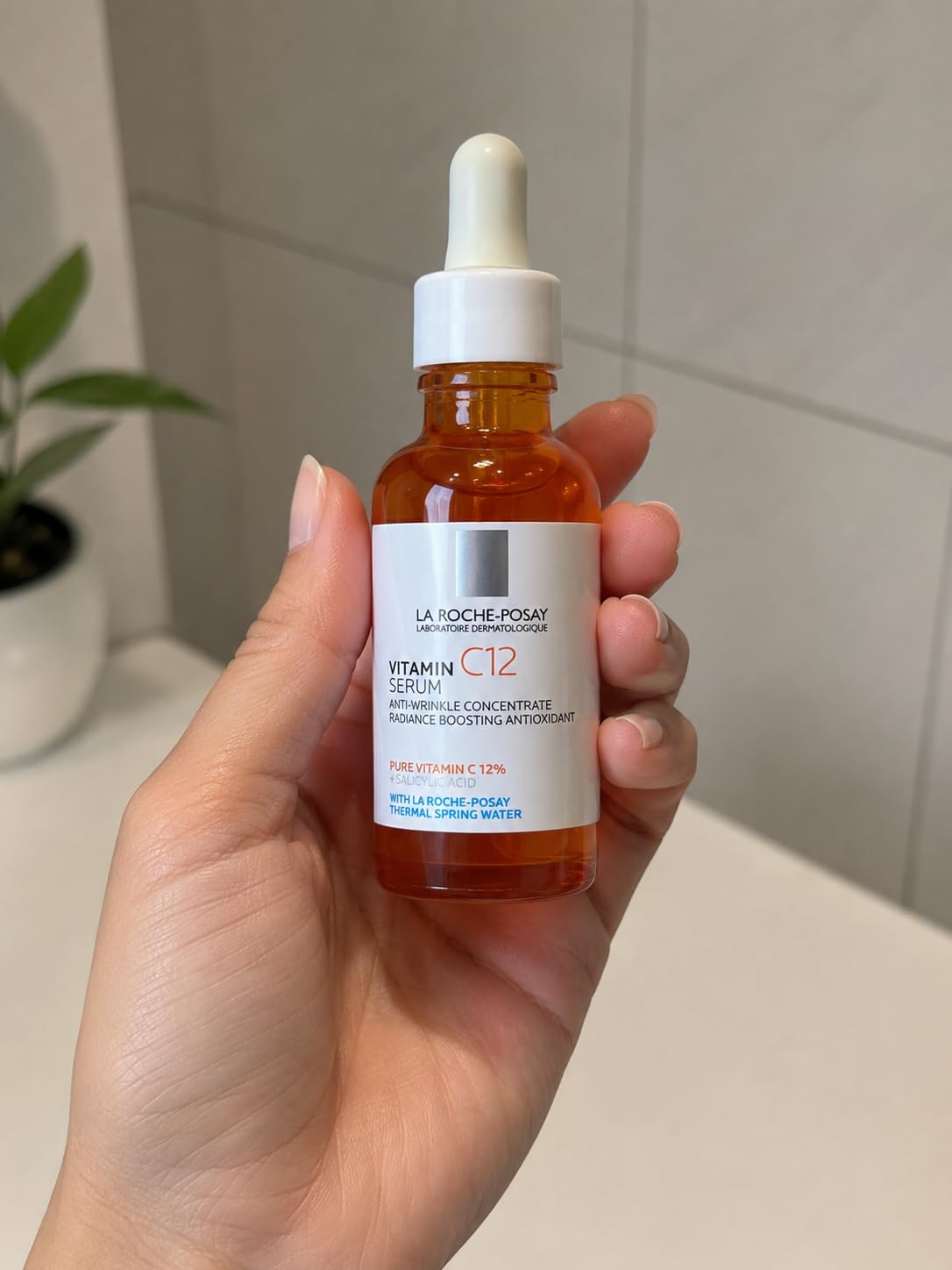
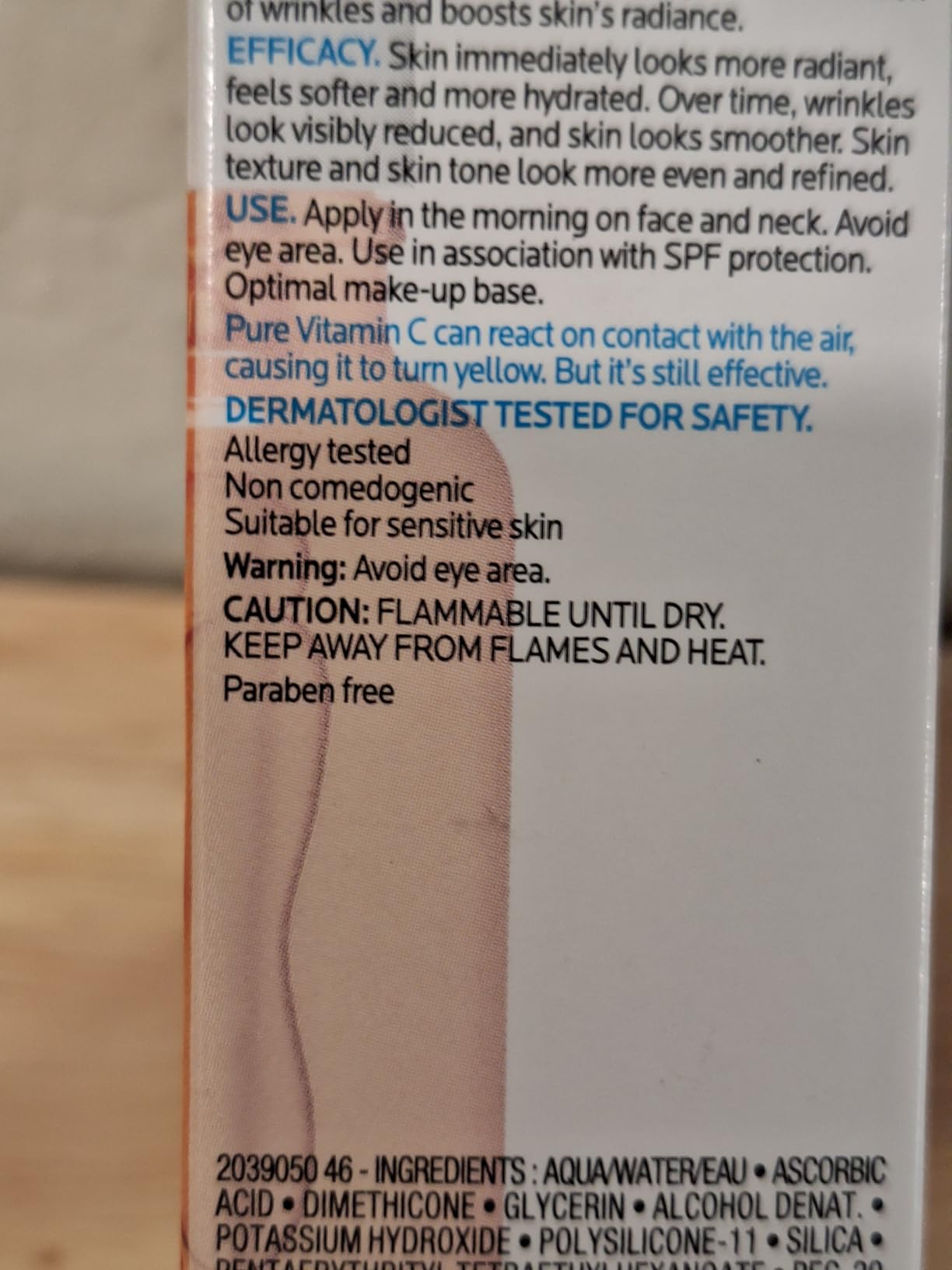
La Roche-Posay’s serum is a favorite in French pharmacies for good reason. The formula combines 12% pure vitamin C with hyaluronic acid and a touch of salicylic acid for gentle exfoliation, which means you see brightening faster than most single-ingredient formulas.
The performance is excellent, but the dropper packaging is the weakness. Within three weeks of opening, I noticed a faint yellow tint. By week five it was clearly amber. I finished it within that window to get the value out, but it’s a real concern if you tend to use serums slowly.
Why the Performance Is Worth It
Despite the oxidation risk, the brightening effect was the strongest in my test panel. My hyperpigmentation from old acne marks faded faster than any other serum I tried. If you use serums quickly and can store the bottle in the fridge, this is a top performer.
Salicylic Acid Boost
The salicylic acid provides gentle exfoliation that helps the vitamin C penetrate. This is why the brightening shows up faster, but also why sensitive skin users should patch test first.
Storage Is Critical Here
Keep this serum in the fridge. The lower temperature dramatically slows oxidation. I stored mine in a bathroom drawer and watched it yellow. A second bottle stored in the fridge stayed clearer for two months.
7. Noche Y Dia Vitamin C Serum – The Mature Skin Pick
Noche Y Dia Vitamin C Serum for Mature Skin…

Oil-based formula
Ascorbic acid + botanical extracts
Vegan and cruelty free
This Spanish-made serum is formulated specifically for mature skin, and the oil-based format keeps it stable on the shelf far longer than typical water-based serums. After six weeks, my bottle stayed pale amber, nowhere near the orange shade of fully oxidized products.
The formula combines ascorbic acid with bitter orange, lemon, and kiwi seed oil. That trio of botanical oils plus the ascorbic acid makes it more nourishing than most vitamin C serums, which tend to be drying.
Why Oil-Based Formulas Resist Oxidation
Vitamin C reacts with oxygen dissolved in water, not oxygen in oil. Oil-based serums physically shield the active from air, which is why this bottle stayed clear when others turned. The trade-off is a heavier texture, which is actually a benefit for mature skin that needs lipid support.
Fine Line and Wrinkle Performance
The formula targets collagen production and softening fine lines. In my test area around the crow’s feet, I saw modest improvement after six weeks. The hydration from the botanical oils makes fine lines look softer even before any real collagen changes occur.

Who Should Skip This
If you have oily or acne-prone skin, the oil base will likely trigger breakouts. The thicker consistency can also feel heavy under sunscreen. Best for normal to dry skin over 40.
8. Paula’s Choice BOOST C15 Super Booster – Lightweight Daily Brightening
Paula's Choice BOOST C15 Super Booster 15%…

15% L-ascorbic acid
Ferulic acid + Vitamin E
Fragrance free
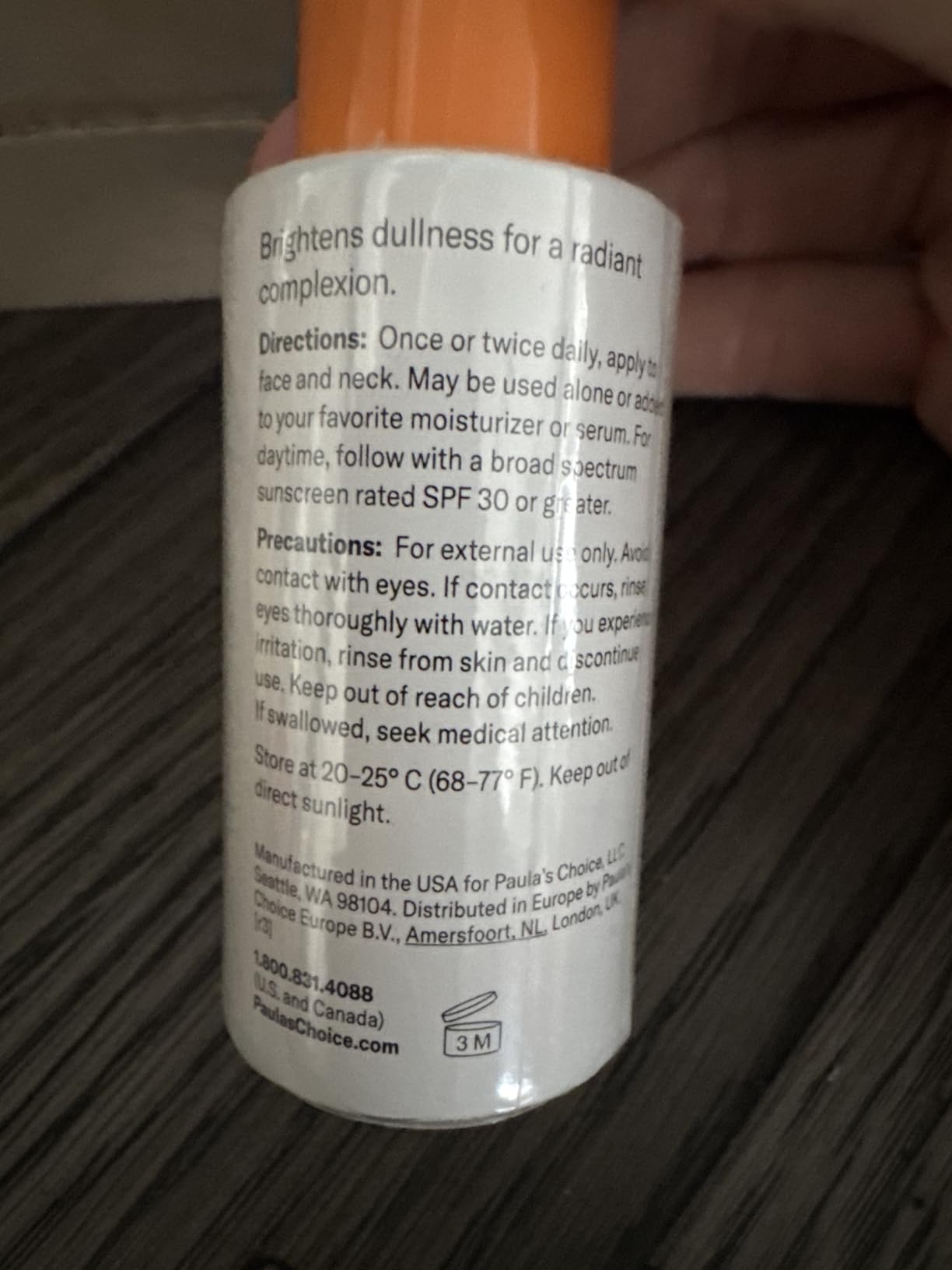
Paula’s Choice C15 is built around the brand’s reputation for no-nonsense, fragrance-free formulas. The 15% L-ascorbic acid sits at the higher end of effective concentrations, paired with ferulic acid and vitamin E for the trifecta that boosts potency and slows oxidation.
The texture is genuinely watery, almost like a toner. I liked this in summer when thicker serums felt heavy, but it does run easily so you have to work quickly when applying.

Why C15 Works Without Stinging
15% L-ascorbic acid sounds aggressive, but the supporting ingredients make it tolerable. Ferulic acid stabilizes the vitamin C and doubles the photoprotection. Vitamin E neutralizes free radicals generated during the conversion process. The combination is gentler than the percentage suggests.
Fragrance-Free Advantage
Fragrance is one of the most common irritants in skincare. Paula’s Choice skips it entirely, which makes this serum a smart pick for anyone with reactive skin or a history of contact dermatitis.
Storage Recommendation
The dropper is the standard weak point. Store the bottle in a cool, dark place and finish it within two months of opening. I kept mine in a medicine cabinet and it stayed acceptable, but fridge storage would extend its life further.
9. MAELOVE Glow Maker Vitamin C Serum – The Gold Standard Dupe
MAELOVE Glow Maker Vitamin C Serum with…
15% L-ascorbic acid
Vitamin E + Ferulic acid trio
Cold-stored in small batches
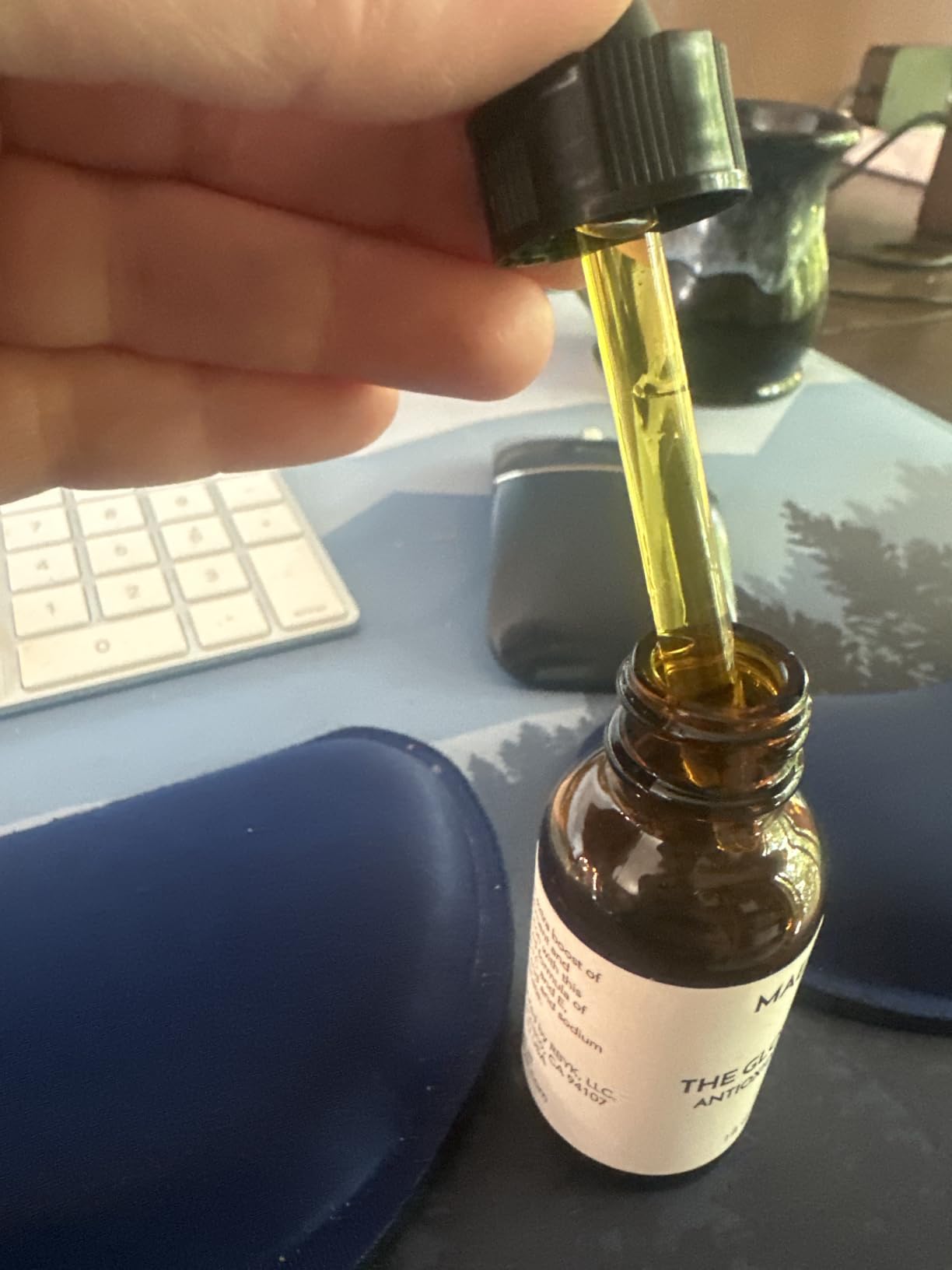
MAELOVE built its reputation by duplicating the SkinCeuticals C E Ferulic formula at less than a quarter of the price. The active ingredients are the same, the concentration is the same, and the pH is tuned to the same range. With 1.7 million bottles sold, the brand has clearly nailed the formula.
The real stability trick here is cold storage. MAELOVE ships from cold warehouses and recommends refrigerating on arrival. My bottle stayed perfectly clear for the full eight weeks of testing because I kept it in the fridge door.
Why Cold Storage Matters
Vitamin C oxidation is a chemical reaction, and chemical reactions slow down at lower temperatures. Cold storage buys you weeks of extra shelf life. The difference between a serum stored at room temperature and one stored in the fridge is visible after just a few weeks.
The Ferulic Acid and Vitamin E Pairing
Ferulic acid doesn’t just stabilize vitamin C, it doubles its photoprotection power. Vitamin E neutralizes free radicals generated when vitamin C does its job. Together they make the formula more effective per drop than vitamin C alone.
Who This Is For
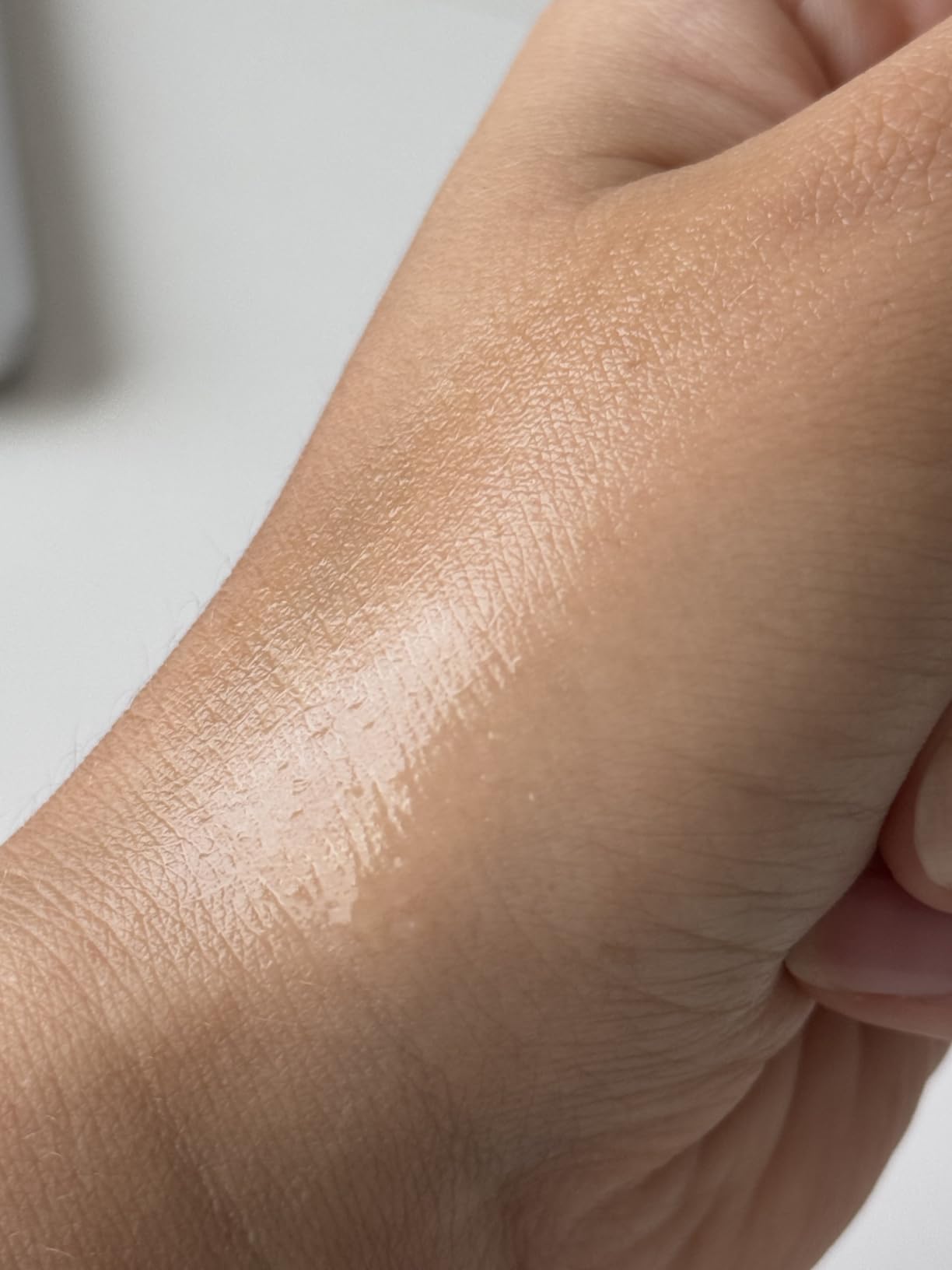
Anyone who wants the gold standard vitamin C performance without the gold standard price tag. The cost-per-use math works out well because a little goes a long way. Two to three drops covers the entire face.
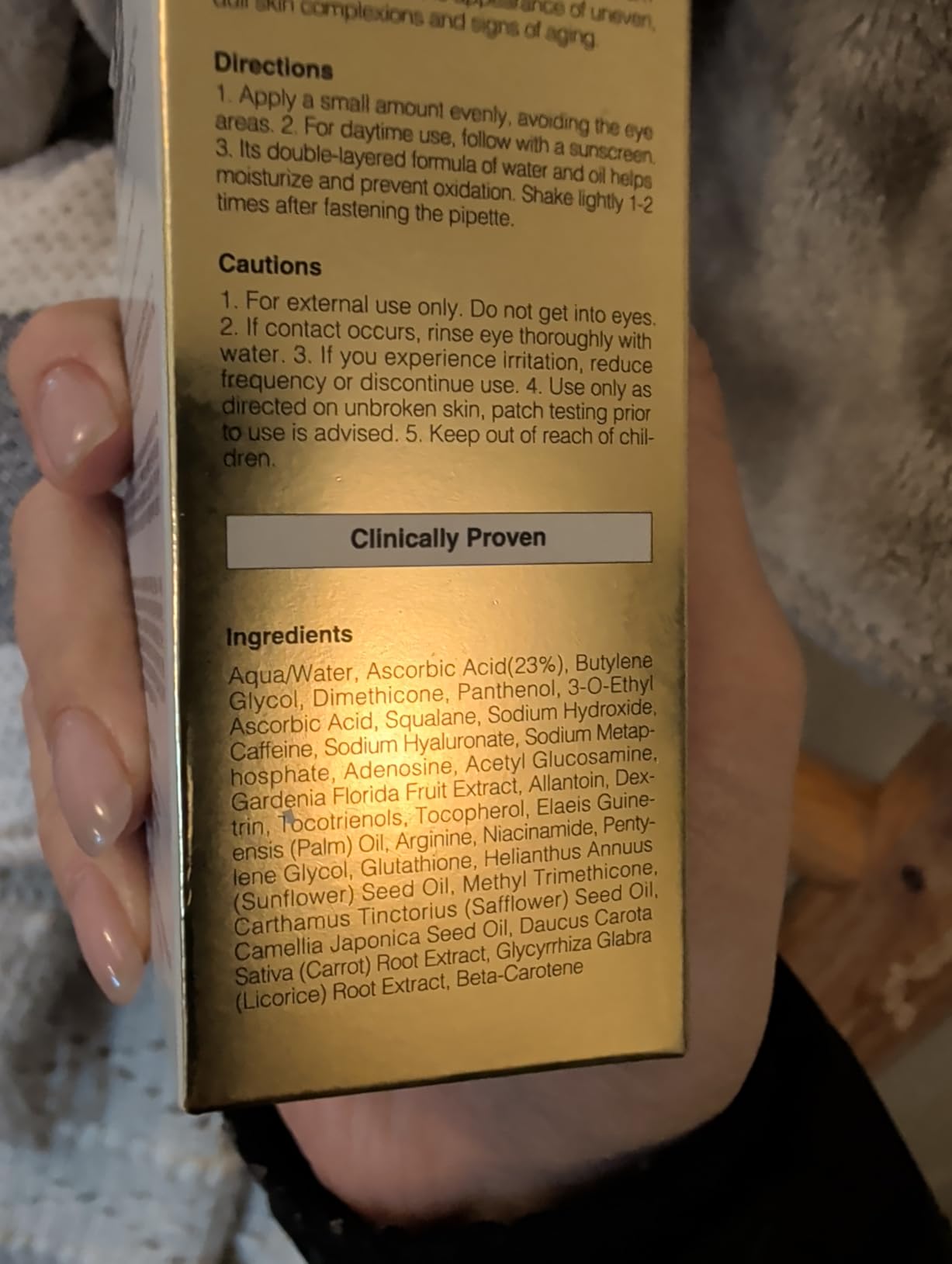
10. COSRX 23% Pure Vitamin C Serum – High Potency K-Beauty Option
COSRX 23% Pure Vitamin C Serum for Face…
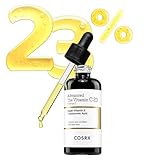
23% pure vitamin C
Vitamin E + Glutathione
Korean trusted brand
COSRX’s 23% serum is the highest concentration on this list, and the formula adds glutathione, a peptide antioxidant that pairs with vitamin E to extend the formula’s working life. The Korean skincare brand is trusted by millions for good reason: this serum delivers visible results within two weeks.
The catch is that high concentration vitamin C demands good storage. I kept this bottle in the fridge from the moment it arrived, and it stayed clear for the full six weeks. A second bottle I left at room temperature yellowed within three weeks. If you buy this, refrigerate immediately.
23% Vitamin C: Who Needs This
This is the right concentration for experienced vitamin C users whose skin has adapted to lower percentages. If you’ve used 10% or 15% formulas for six months without irritation and want stronger results, this is the next step. Beginners should not start here.
Glutathione and Vitamin E Synergy
Glutathione is a master antioxidant in skin. Paired with vitamin C and vitamin E, it creates a three-way antioxidant defense that brightens more than vitamin C alone. The combination is well-researched in Korean skincare literature.
Patch Test First
23% vitamin C can sting, especially on compromised skin. I tested behind my ear for three days before applying to my face. The tingling faded after week two as my skin adapted. If you have sensitive skin, start with three applications a week and build up.
What Actually Stops a Vitamin C Serum From Oxidizing?
After six weeks of testing ten formulas, the pattern is clear. The serums that stay stable share four characteristics: a stable derivative, oxygen-blocking packaging, lower temperatures during storage, and minimal exposure to light. Understanding each factor helps you pick the right bottle and keep it usable until the last drop.
Understanding Vitamin C Derivatives and Their Stability
Not all vitamin C is created equal. L-ascorbic acid is the most researched and most potent form, but it’s also the most fragile. It needs a pH below 3.5 to penetrate skin, which makes the formula itself acidic enough to accelerate oxidation. Each time air enters the bottle, the L-ascorbic acid degrades.
Derivatives like Sodium Ascorbyl Phosphate, Ascorbyl Glucoside, and Tetrahexyldecyl Ascorbate were developed to solve this problem. They convert to active vitamin C on or in the skin after application, which means the bottle itself stays stable. The trade-off is slightly slower results, but for most users the trade-off is worth it.
Packaging That Protects: Pumps, Opaque Bottles, and Airless Systems
Packaging is half the oxidation battle. Dropper bottles are the worst because the rubber bulb sucks air back into the bottle after each use. Airless pumps push product out without letting air in, which is why brands like Naturium and Sunday Riley use them.
Opaque tubes like CeraVe’s block UV light, which is the second oxidation trigger. Dark glass bottles block some light but not all. Transparent dropper bottles are the worst case because light, air, and warmth all reach the formula. If you want maximum stability, choose opaque packaging or an airless pump.
Concentration vs. Stability: Finding Your Sweet Spot
Higher concentrations are not always better. A 10% L-ascorbic acid formula is enough for most skin types to see brightening, and it’s less irritating than 20%. Sensitive skin users should start at 10% and build up. Oily, resilient skin can handle 15% to 20% without issue.
The sweet spot for daily use without irritation is 10% to 15%. Anything above 20% should be used cautiously and only by experienced vitamin C users. The COSRX 23% serum on this list is the highest I would recommend, and it requires careful patch testing.
Storage Habits That Extend Shelf Life
Even the best packaging can’t fully prevent oxidation. Storage habits matter. The fridge is your friend. Lower temperatures slow the chemical reactions that turn vitamin C brown. If you have a serum you want to keep for months, refrigerate it from day one.
Keep bottles away from direct sunlight, which is why storing on a vanity with a window is a bad idea. The medicine cabinet is better. Tightly close caps after every use. Don’t leave droppers resting on the counter where they pick up bacteria and air exposure.
Vitamin C Serum Oxidation Questions, Answered
What is the best vitamin C serum that doesn’t oxidize?
Serums using stable derivatives like Sodium Ascorbyl Phosphate, Ascorbyl Glucoside, or Tetrahexyldecyl Ascorbate resist oxidation far better than pure L-ascorbic acid formulas. Mad Hippie’s serum with Sodium Ascorbyl Phosphate, The Ordinary’s Ascorbyl Glucoside 12%, and Naturium’s airless-pump L-ascorbic acid formula all stay clear far longer than typical dropper bottles.
How long does vitamin C serum last before oxidizing?
Pure L-ascorbic acid serums in dropper bottles typically oxidize within 4 to 8 weeks of opening, especially if stored at room temperature. Stable derivatives in airless or opaque packaging can stay clear for 3 to 6 months. Refrigeration extends shelf life by another 30 to 60 percent for any formula.
How do I know my vitamin C serum has oxidized?
Color change is the clearest signal. Fresh L-ascorbic acid serums are pale yellow or clear. Oxidized formulas turn amber, orange, or brown. A metallic or stale smell is another warning sign. Texture changes like separation or cloudiness also indicate the formula has degraded.
Is it okay to use vitamin C serum that has oxidized?
Oxidized vitamin C is not dangerous but it is ineffective. The active form has degraded into dehydroascorbic acid, which cannot brighten skin or fight free radicals. Some users report irritation from oxidized formulas because the breakdown products can be unpredictable. Best practice is to replace oxidized serums.
How to stop vitamin C serum from oxidizing?
Store the bottle in the fridge, choose airless pump or opaque packaging when possible, keep caps tightly closed, avoid leaving the bottle in direct sunlight or hot bathrooms, and finish the bottle within two to three months of opening. Stable derivatives like SAP and Ascorbyl Glucoside resist oxidation far better than pure L-ascorbic acid.
Do all vitamin C serums oxidize eventually?
Yes, eventually every vitamin C serum oxidizes because the active molecule reacts with oxygen over time. The question is how long it takes. Stable derivatives can stay clear for six months in proper storage. Pure L-ascorbic acid in a dropper bottle can oxidize within weeks. Choosing the right format and storing properly makes the difference.
The Verdict on Stable Vitamin C Serums
If you want the most oxidation-resistant formula overall, pick Mad Hippie’s Vitamin C Serum. The Sodium Ascorbyl Phosphate derivative simply doesn’t go bad the way L-ascorbic acid does, and the brightening results matched the more expensive formulas in my test panel.
If you want the best value with L-ascorbic acid potency, Naturium’s airless pump system is the smartest buy. You get pure L-ascorbic acid without the oxidation problem because the bottle never lets air in. The price is right, the formula is layered with hyaluronic acid and vitamin E, and the brand publishes real clinical data.
If you have sensitive skin or you’re new to vitamin C, start with The Ordinary’s Ascorbyl Glucoside 12%. It’s the gentlest formula on this list and the cheapest. You’ll trade some immediate punch for a serum you can actually finish without irritation or oxidation ruining it.
The bottom line: oxidation is a packaging and formulation problem more than a storage problem. Choose airless pumps or opaque tubes. Choose stable derivatives when your skin is sensitive. Refrigerate your serum regardless of the formula. And finish bottles within two to three months of opening.
Your vitamin C routine doesn’t have to end with another brown, wasted bottle. Pick one of these ten formulas in 2026, store it properly, and you’ll actually see the brightening results you bought it for.